The Life
Nine chapters. Every major claim fact-checked.
Born on the Hour of the Dragon
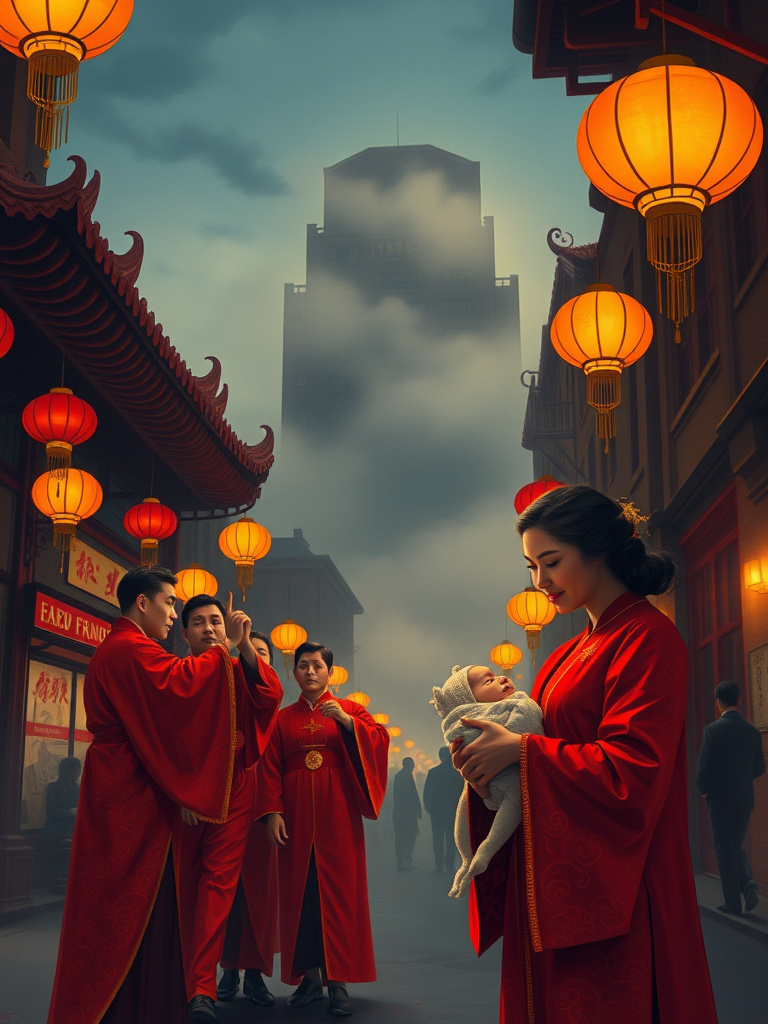
At 7:12 in the morning on November 27, 1940, in the Chinese Hospital on Jackson Street in San Francisco's Chinatown, Grace Ho gave birth to her fourth child. She named him Lee Jun-fan — "to invigorate San Francisco" — because she believed he would one day return to America. She also gave him a secret girl's name, Sai-fon, Little Phoenix, to confuse any evil spirits that might take him. The family had already lost one son.
His father, Lee Hoi-chuen, was a Cantonese opera performer — not a singer precisely, but a theatrical all-rounder: singing, acting, acrobatics, music. He was in San Francisco on an opera company tour, performing for the city's Chinatown community. The tour ended shortly after the birth, and the family returned to Hong Kong when Bruce was three months old.
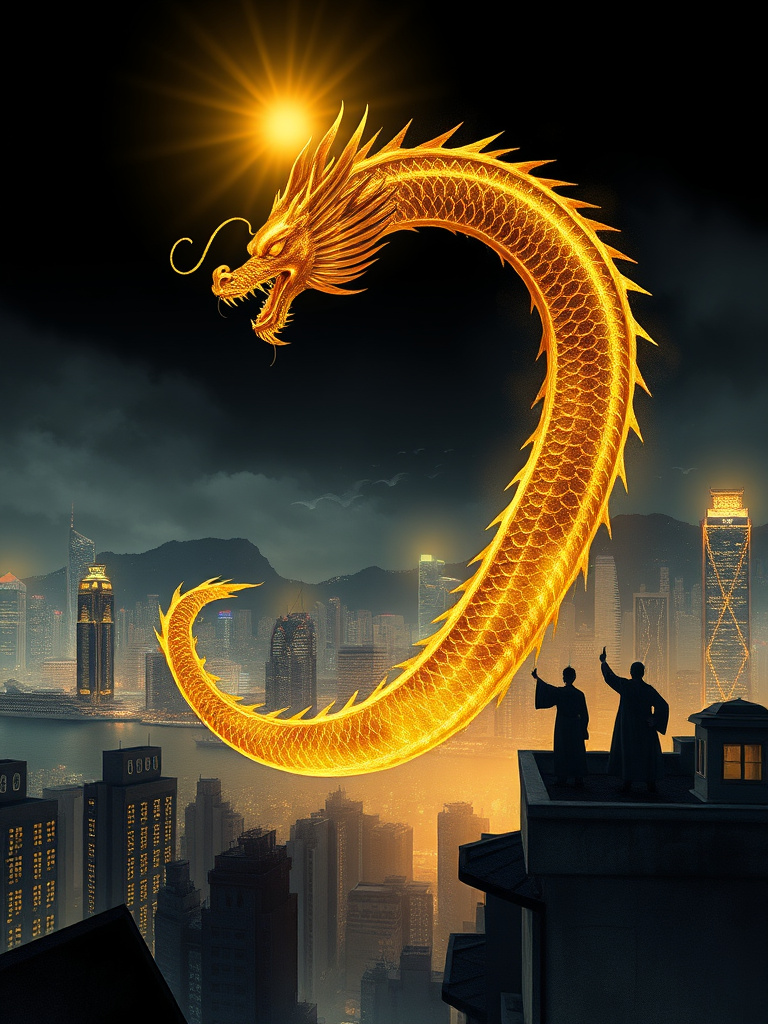
The 1940 Chinese almanac records that day as falling in the Year of the Metal Dragon, and the Hour of the Dragon runs from seven to nine in the morning. Bruce Lee was therefore born in the Hour of the Dragon, on a Dragon day, in the Year of the Dragon. His mother considered this significant. He would spend the rest of his life making it so.
One more thing about that morning: the attending physician at Chinese Hospital, Dr. Mary Glover, suggested the English name Bruce. The family hadn't planned on one. It would barely be used until high school.
The Little Dragon
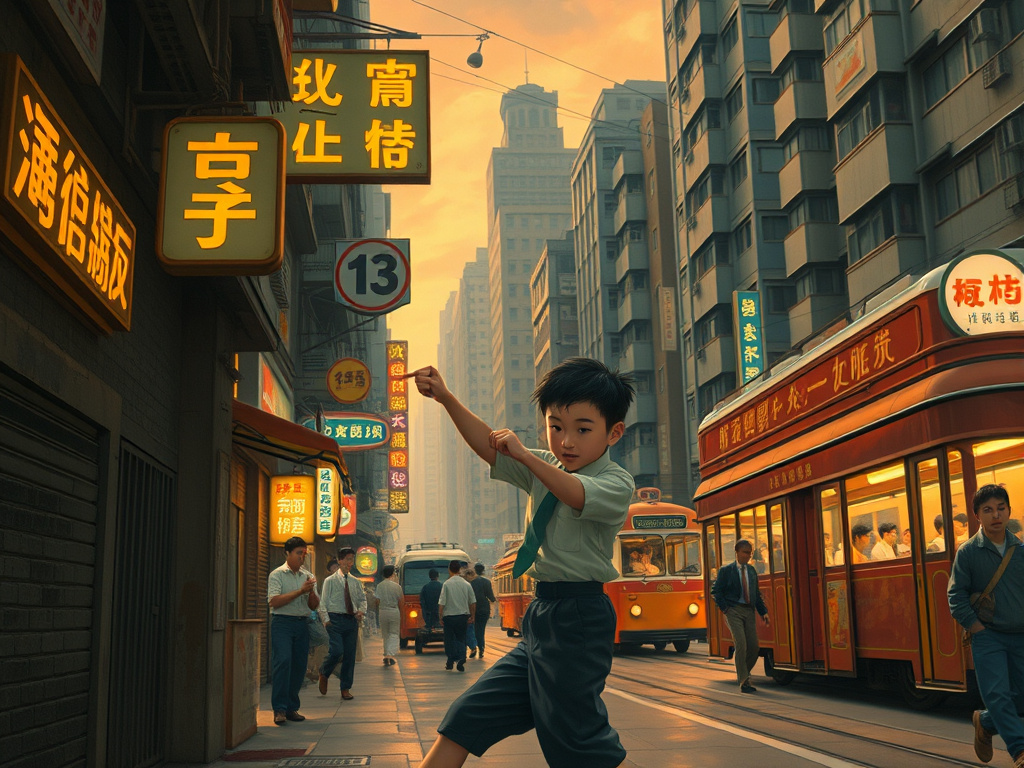
Hong Kong in the 1940s and 50s was crowded, chaotic, and alive. The Lee family lived at 218 Nathan Road in Kowloon, and almost as soon as Bruce could walk, he appeared in films. His first screen credit came at three months old — he was carried on as a prop baby in Golden Gate Girl, shot in San Francisco before the family left. Back in Hong Kong, he became a genuine child actor, appearing in over twenty Cantonese films between 1941 and 1960. By age nine he had his first leading role, in a film called The Kid. He played street urchins, orphans, tough little survivors.
Off screen, he was genuinely difficult. He ran with a street gang called the Junction Street Eight Tigers, got into fights regularly, and by his mid-teens the fighting had become a problem. An older student beat him using a kung fu technique he didn't recognize or know how to counter. He came home determined that would never happen again.
His classmate William Cheung introduced him to a Wing Chun teacher in Kowloon — a small, precise, unassuming man named Yip Man. Bruce Lee walked into that school and began one of the most consequential apprenticeships in the history of martial arts.
Under the Master
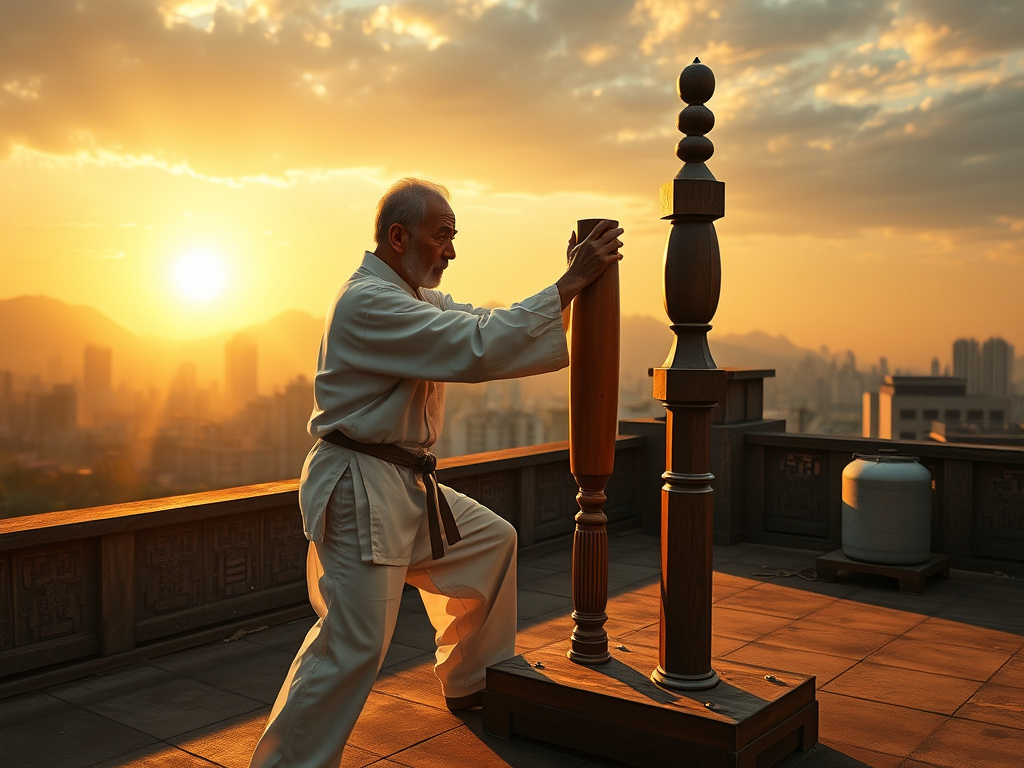
Wing Chun is not a flashy style. It is economical, centerline-obsessed, and built for close quarters. It assumes the opponent is stronger than you. It assumes the fight will happen before you're ready. Ip Man, its most celebrated practitioner, taught it in a rooftop school in Kowloon.
Bruce Lee's training began sometime around 1953 or 1954 — the exact date is disputed by everyone who was there. He was quick, naturally gifted, and almost immediately insufferable about it. He would arrive early and tell other students class was cancelled, just to secure private time with the master.
The other students eventually discovered his habit, and the discovery coincided with another: Bruce Lee was not fully Chinese. His maternal ancestry traced through a Dutch-Jewish great-grandfather and possibly an English great-grandmother. Under Chinese martial arts tradition of the era, training was for Chinese only. The majority of Ip Man's students refused to share a school with him and demanded his expulsion.
Ip Man refused. He would not expel the boy. But he separated him — moving Bruce to private sessions with the school's senior student, Wong Shun-leung. What's remarkable is what Ip Man saw through all of it: not the provocation, not the mixed blood, not the gang reputation. Just the talent.
Bruce left Hong Kong in April 1959 at eighteen. He would never fully complete Wing Chun. He would spend the rest of his life building on the foundation Ip Man gave him — and then systematically dismantling every wall that foundation had ever had.
The American
San Francisco first, then Seattle. His mother had a contact there: Ruby Chow, who ran a Cantonese restaurant in Capitol Hill and had a spare room above it. Bruce Lee arrived at Ruby Chow's and worked as a waiter in exchange for board. He enrolled at Edison Technical School to earn his high school certificate, then in March 1961 began classes at the University of Washington. His declared major was drama. His real subject was everything else — philosophy, psychology, the university library. He read Jiddu Krishnamurti on the dissolution of the self. He read Lao Tzu on the nature of water. He read Alan Watts on the bridge between East and West. He carried a notebook everywhere.
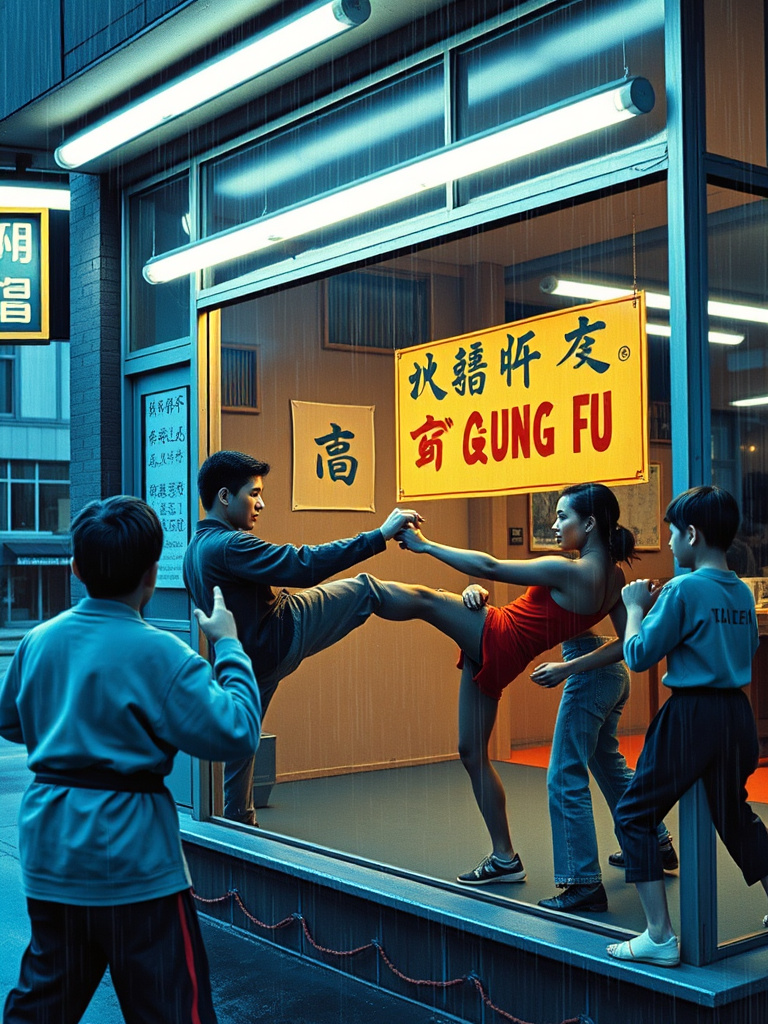
To earn money, he began teaching martial arts — first in a parking garage, then in a small converted storefront at 4750 University Way NE. He called it Jun Fan Gung Fu — his own name applied to his own synthesis. He charged $22 a month. He taught whoever came: Black students, white students, Japanese-American students. The idea that Chinese martial arts belonged only to Chinese people had never made sense to him. He had personally seen what that rule looked like from the wrong side.
In October 1963, at an outdoor practice session on the UW campus, he met a student named Linda Emery. They married on August 17, 1964. He left the university before graduating. His ideas were already running faster than any degree program could follow.
The Way of No Way
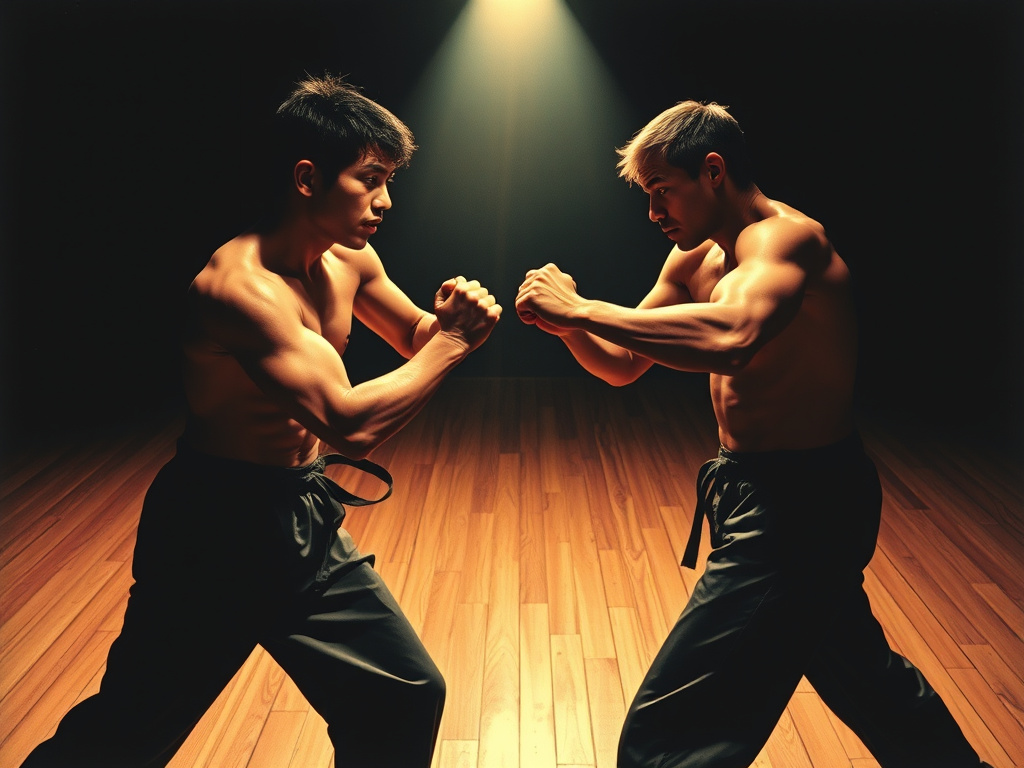
In late 1964, a martial artist named Wong Jack Man came to Bruce Lee's Oakland school. What happened next is one of the most contested three to twenty-five minutes in martial arts history, depending on who you ask.
Bruce's account: Wong came with an ultimatum from Chinatown's martial arts establishment — stop teaching non-Chinese students, or fight. Lee accepted. The fight lasted three minutes. Wong pled for mercy on the floor.
Wong's account: there was no ultimatum. The fight arose from Lee's public arrogance at a demonstration. It lasted twenty to twenty-five minutes. There was no clear winner.
What nobody disputes is what Bruce Lee concluded about himself when it was over. Even in his own version — a decisive victory — the fight had felt wrong. It should have ended in seconds. It dragged on. He was winded. Wing Chun had given him a foundation but it had also given him walls, and he had just found them.
He began tearing the walls down systematically. His older brother Peter had been a champion fencer — Colony Champion, Commonwealth Games representative. Bruce had absorbed fencing concepts without realizing it: the stop-hit, attacking during the opponent's preparation, strong side forward. He went back to the texts and found the vocabulary he'd been missing.
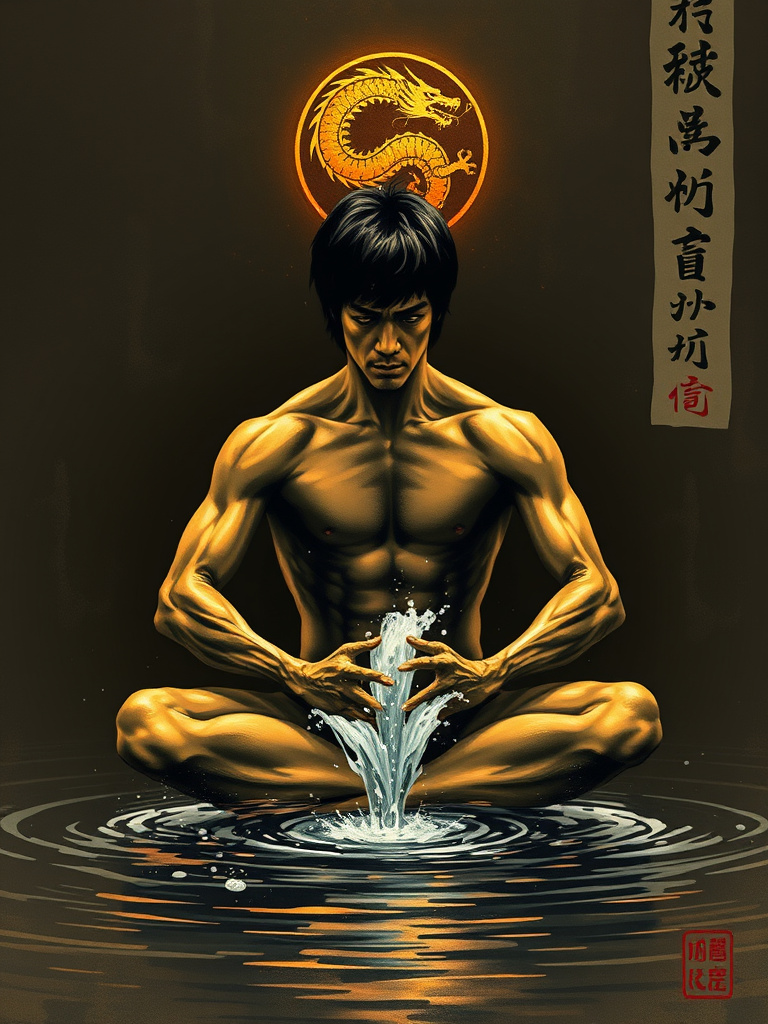
On July 9, 1967, he wrote two words in his daytimer: Jeet Kune Do. Way of the Intercepting Fist. He would spend the rest of his life insisting it wasn't a style, that naming it was already a mistake, that a style is a glass that shapes water into its own form. He was working toward the opposite of a style. He was working toward water.
The Green Hornet
In August 1964, a talent agent named Jay Sebring attended the Long Beach International Karate Championships and watched a Chinese-American instructor perform a two-finger pushup, then close the distance on a volunteer so fast the volunteer had no time to react. Sebring got his hands on a 16mm recording. He showed it to television producer William Dozier. Dozier called Bruce Lee in for an audition.
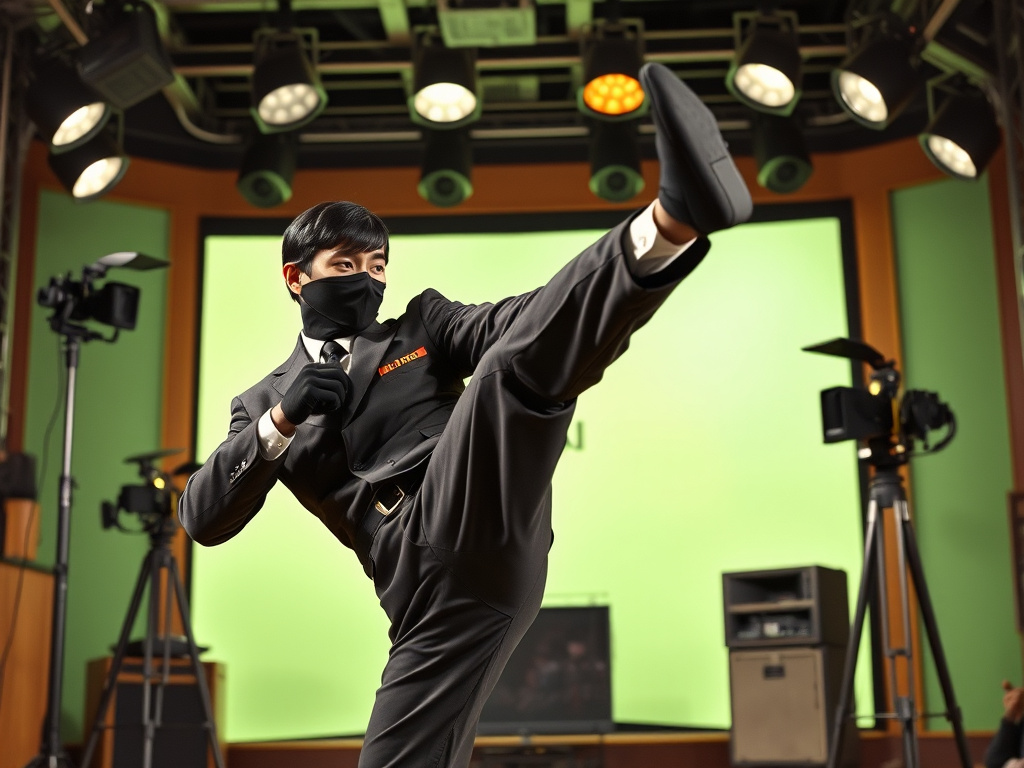
The character was Kato — chauffeur and partner to the Green Hornet. Before he signed, Bruce Lee sent the producers a memo: no "ah-so" dialogue, no pigtails, no shuffling servility. He would play a man, not a caricature.
The Green Hornet ran for 26 episodes between September 1966 and March 1967. The show was cancelled for poor ratings. What it left behind was Bruce Lee standing in Hollywood's waiting room with a resume and no doors opening. He pitched a concept — a Chinese martial artist in the American Old West — that he called The Warrior. Warner Bros. bought a different show on the same concept and cast a white actor. The studio executive said, later, on camera: the concern was whether a five-foot-six Chinese actor could carry a series.
Bruce Lee went back to his notebook. He wrote about what he was going to build, about the doors he was going to break down. He also kept taking students — Steve McQueen, James Coburn, Kareem Abdul-Jabbar. He was building his own kind of network while Hollywood decided what to do about him.
Be Water
In January 1970, Bruce Lee loaded a barbell with 135 pounds and performed Good Morning exercises without warming up. He damaged the fourth sacral nerve in his lower back. His doctors told him he might never kick again. He was twenty-nine.
For six months he was largely confined to bed. He had notebooks. He had his library — Krishnamurti, Lao Tzu, Zhuangzi, D.T. Suzuki, Alan Watts, the Stoics, Eric Hoffer. He had his ideas about Jeet Kune Do, which he'd been teaching but never fully writing down. He wrote them down now.
The water metaphor — which he'd been carrying since his teenage years, since a night he sat alone on a boat in Hong Kong Harbor and struck the water with his fist in frustration, and felt it give and close and give again — found its final form.
"Empty your mind. Be formless. Shapeless. Like water. Now you put water in a cup, it becomes the cup. You put water into a bottle, it becomes the bottle. You put it in a teapot, it becomes the teapot. Now water can flow, or it can crash. Be water, my friend."
He delivered that speech first on an ABC television drama called Longstreet, on September 16, 1971. Three months later, in a December 1971 interview with journalist Pierre Berton in Hong Kong, he said it again as himself. That interview was assumed lost for twenty years. When it resurfaced in 1994, the world finally heard the man behind the metaphor.
The back injury also produced what became the Tao of Jeet Kune Do, published posthumously in 1975. It is part training manual, part philosophy, part argument with every fixed idea about what a fight — or a life — ought to look like.
Enter the Dragon
Hollywood wouldn't open the door, so Bruce Lee went back to Hong Kong and kicked it down from the outside.
In 1971 he signed with Golden Harvest and producer Raymond Chow. He made The Big Boss in Thailand in five weeks — it broke every Hong Kong box office record on release. He made Fist of Fury in 1972 — its anti-Japanese themes struck a nerve in a city that remembered occupation, and it broke the record The Big Boss had just set. He wrote, directed, and starred in Way of the Dragon in 1972, filming the climax at the Colosseum in Rome with Chuck Norris. Norris later said Lee was the most impressive martial artist he'd ever encountered.
Warner Bros. came back. A co-production: Enter the Dragon. Shot in Hong Kong in 1973, it was an American-financed martial arts action film with a Chinese lead — unprecedented. Bruce Lee saw a rough cut in late June or early July of 1973.
On July 20, 1973, he went to the apartment of his friend and colleague Betty Ting Pei in Kowloon to work on a script. He had a headache. She gave him a tablet of Equagesic, a mild painkiller combining meprobamate and aspirin. He lay down to rest.
He never woke up.
The cause of death was cerebral edema — acute swelling of the brain. The coroner concluded he had an unusual sensitivity to meprobamate, which triggered the swelling. He was thirty-two years old.
Enter the Dragon opened six days later, on July 26, 1973. It grossed over $90 million worldwide on an $850,000 budget. The door he'd been trying to open was finally, fully open. He wasn't there to walk through it.
The Dragon Lives
Twenty years after his death, his son Brandon died on the set of The Crow — killed by a prop gun malfunction at age 28. The symmetry was unbearable: two Lee men, two film sets, two lives cut off before their fullness.
What Bruce Lee left behind is harder to measure than a filmography. He didn't just popularize martial arts in the West — he changed what the West understood martial arts to be. Before him, it was mystery, ceremony, rigid tradition. After him, it was philosophy in motion, a system for thinking through the body, something you could interrogate and rebuild and make your own.
UFC president Dana White has called him the father of mixed martial arts. Whether or not that attribution is historically precise, the underlying claim is defensible: JKD's insistence on taking what works from anywhere, discarding what doesn't, and refusing to be locked into a style is exactly what mixed martial arts became as a philosophy.
He taught Steve McQueen, James Coburn, Kareem Abdul-Jabbar. He mentored Dan Inosanto, who has spent fifty years carrying the teaching forward. He wrote notebooks that became books that became curricula. He changed cinema — every martial arts film made after 1973 exists in his shadow.
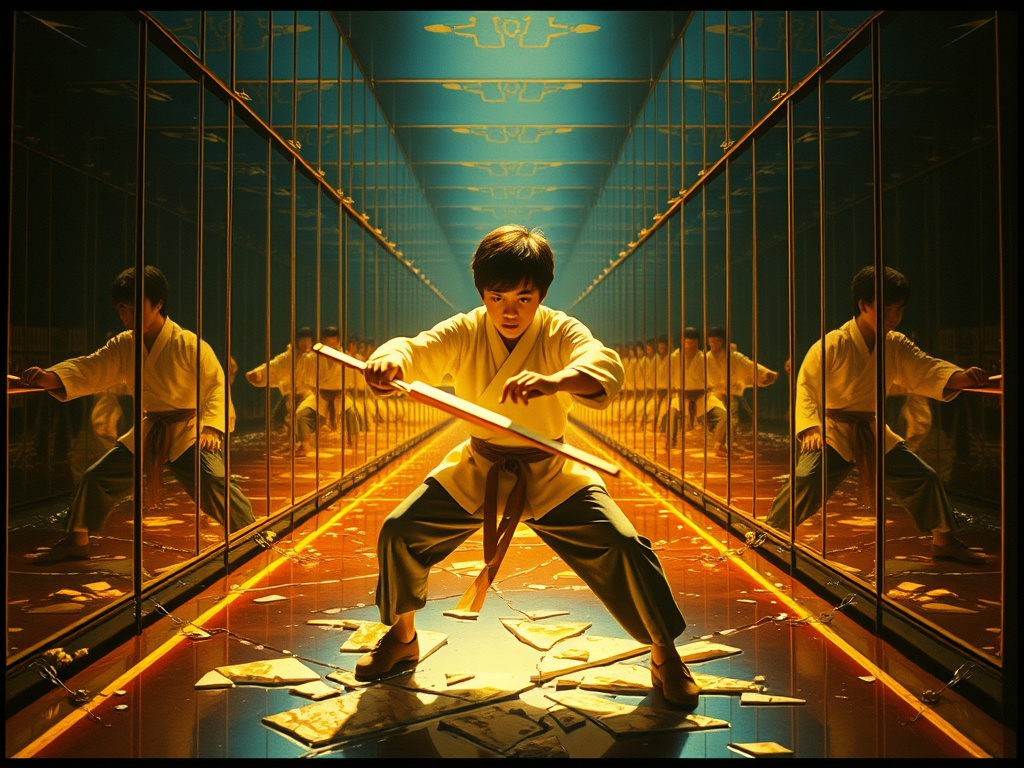
But the thing that lasts longest isn't the flying kick or the one-inch punch or the mirror-maze fight in Enter the Dragon. It's the water. The idea that the strongest thing isn't the hardest thing. That the self is not a fortress to be defended but a shape to be released. That you absorb what is useful, discard what is not, and add what is uniquely your own.
Empty your mind. Be formless. Shapeless.
Be water.