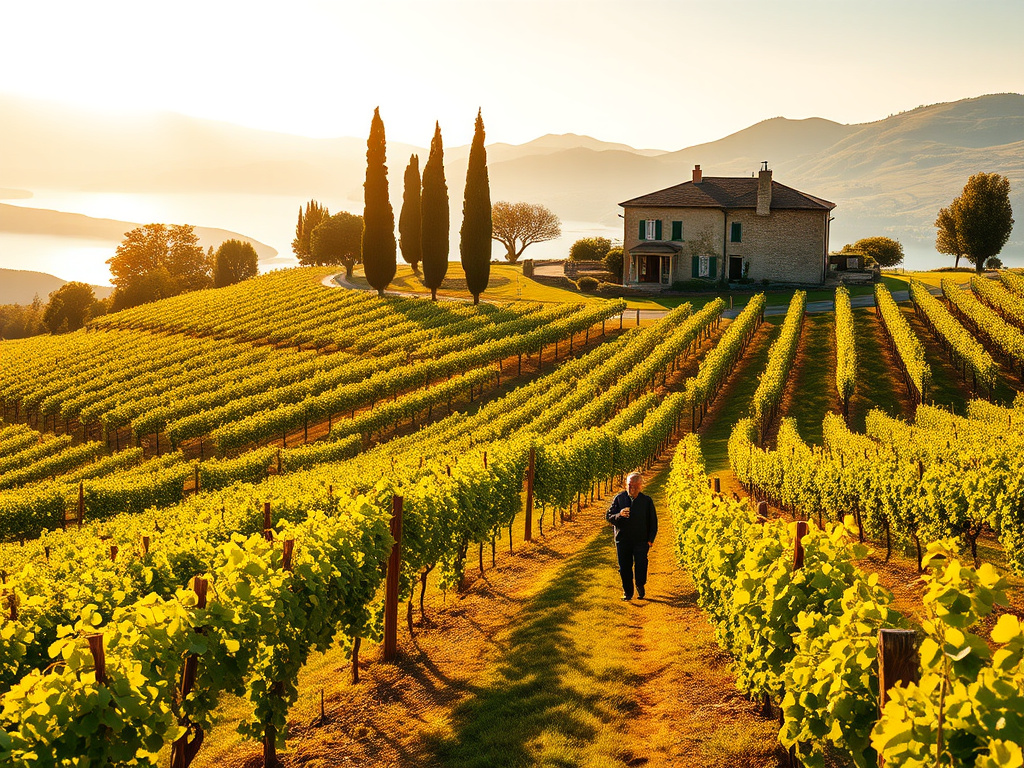
A farmer’s son who built tractors, then supercars, then walked away from both — and spent the rest of his life making wine and proving he had never needed any of it.
1916-1993Renazzo di Cento, Italyautomotive engineeringindustrial manufacturingagriculturewinemaking
A farmer’s son who built tractors, then supercars, then walked away from both — and spent the rest of his life making wine and proving he had never needed any of it.
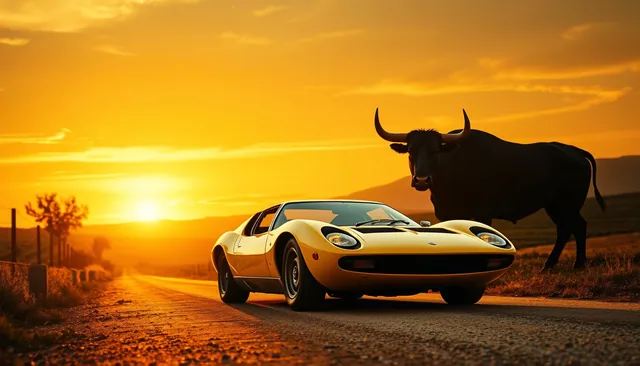
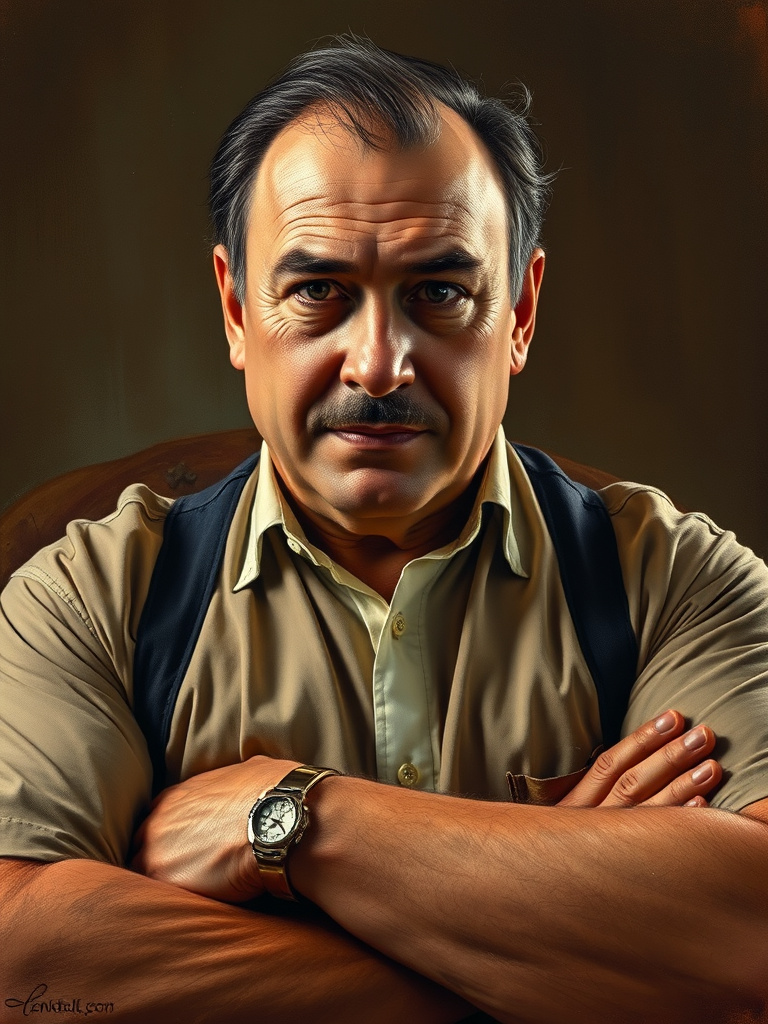
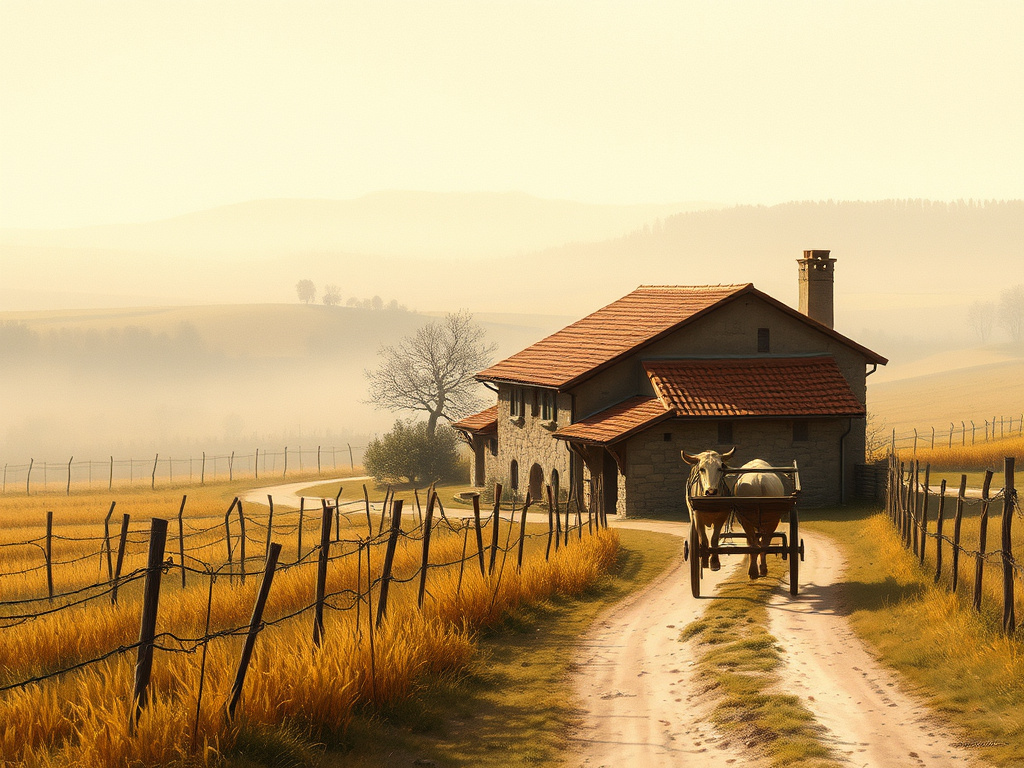
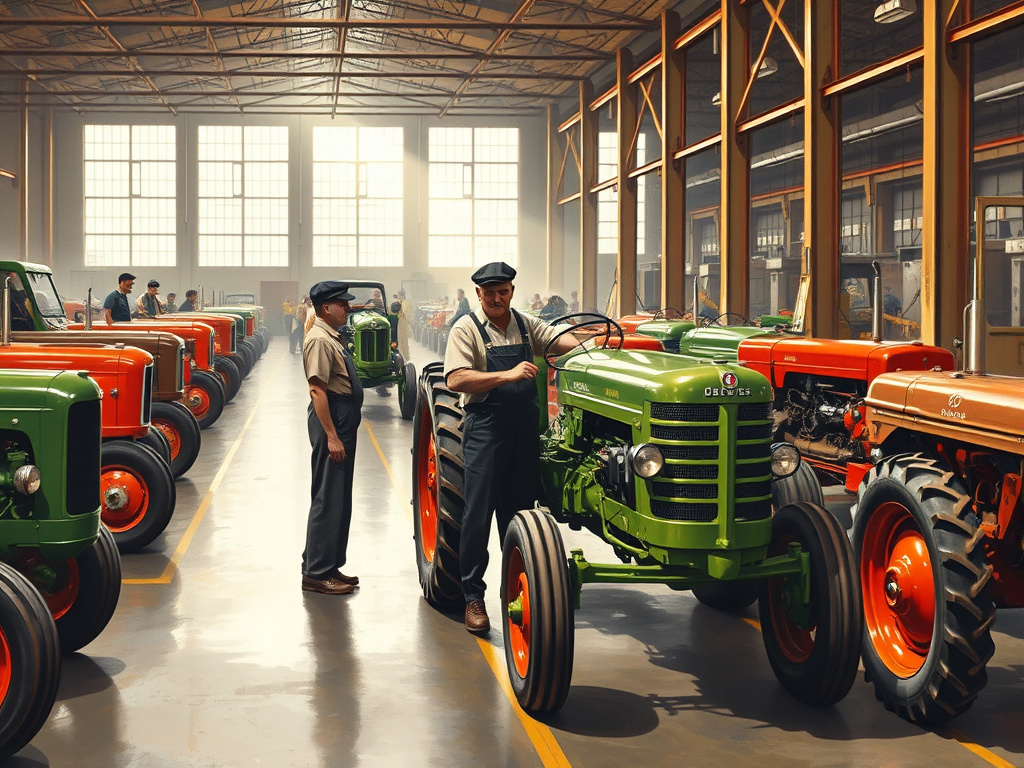
Ferruccio Lamborghini was born on April 28, 1916, in Renazzo di Cento — a grape farmer’s son in the flat fields of Emilia-Romagna. He served in the Italian Royal Air Force on the island of Rhodes, survived occupation, arrest, and detention, and returned home in 1946 with nothing but his mechanical instincts. He built a tractor empire from surplus military parts, then — after a confrontation with Enzo Ferrari that exists only in his own account — built an automobile company that changed what a supercar could be. The Miura. The Countach. The raging bull. He sold it all by 1974, moved to a vineyard on Lake Trasimeno, and spent nineteen years making wine, walking the rows, and watching the sunsets. He died on February 20, 1993, at Silvestrini Hospital in Perugia, age 76. His wine is still made. His bull still rages. He never looked back.
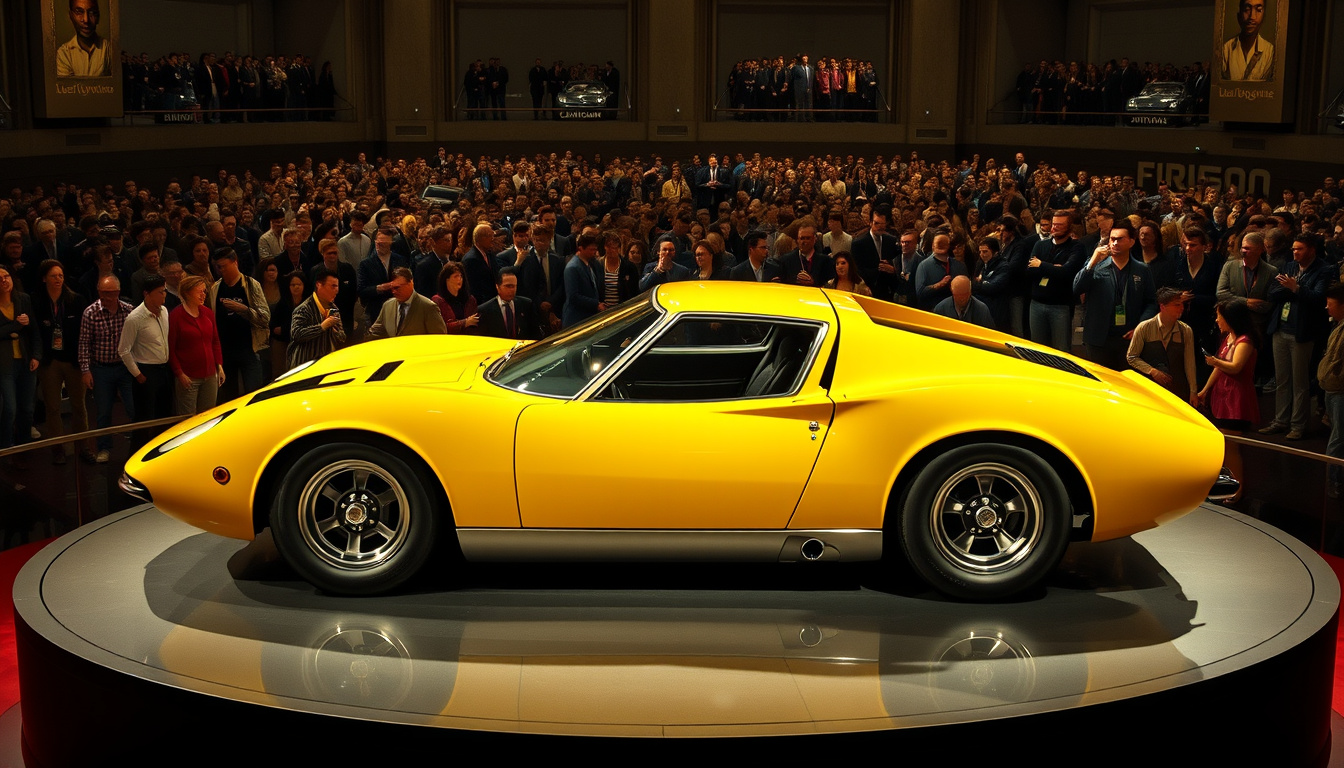
Countach LP500 concept debuts at Geneva Motor Show.
1971
South African importer cancels all tractor orders. Bolivia cancels large order after the Banzer coup.
1972
Sells Lamborghini Trattori to rival SAME. Sells 51% of Automobili Lamborghini to Swiss businessman Georges-Henri Rossetti for $600,000.
1973
OPEC oil crisis devastates the sports car market.
1974
Sells remaining 49% of Automobili Lamborghini to René Leimer. Retires to Lake Trasimeno.
c. 1975
Plants Merlot and Cabernet Sauvignon at La Fiorita estate. Produces first wine: 'Sangue di Miura.'
February 20, 1993
Dies at Silvestrini Hospital, Perugia, after a heart attack. Age 76. Buried in Renazzo.
Words
What Was Said
“
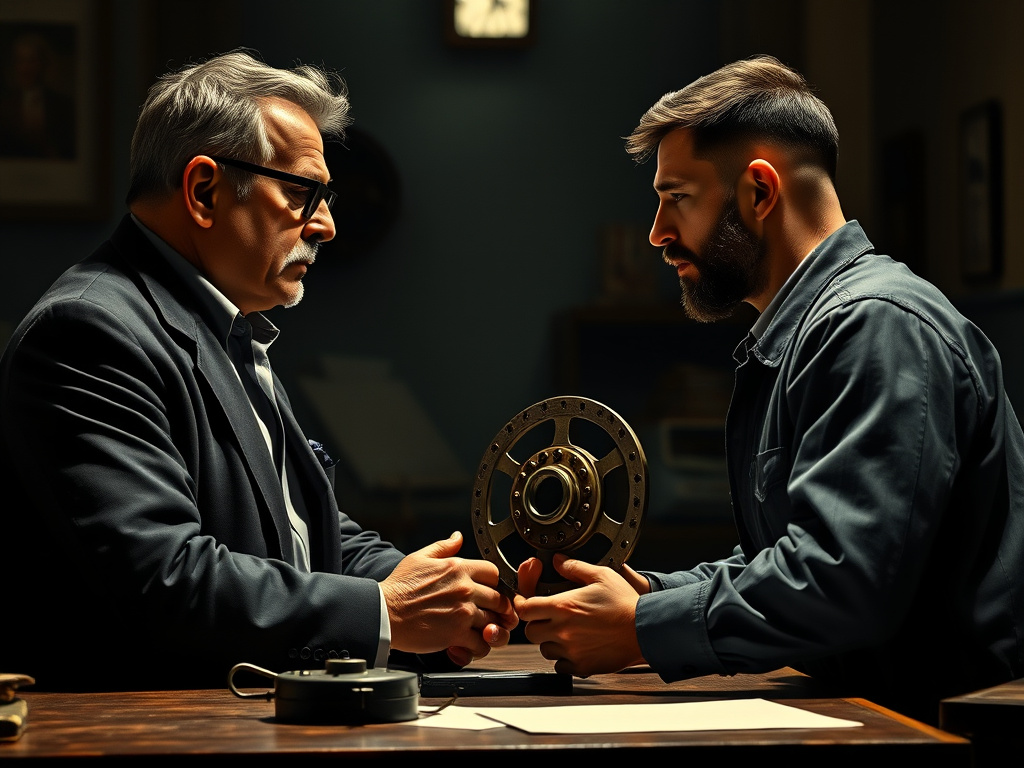
Ferrari, your cars are rubbish! — Lamborghini, you may be able to drive a tractor but you will never be able to handle a Ferrari properly. This was the point when I finally decided to make a perfect car.
— Ferruccio Lamborghini
~ Reported Recounting his confrontation with Enzo Ferrari, from the only primary source: a January 1991 interview in Thoroughbred & Classic Cars magazine. Ferruccio was describing events from roughly thirty years earlier. No contemporaneous record exists; Enzo Ferrari never commented on the story.
“
Ferrari never spoke to me again. He was a great man, I admit, but it was so very easy to upset him.
— Ferruccio Lamborghini
~ Reported From the same 1991 Thoroughbred & Classic Cars interview.
“
When you stop working, you start to die.
— Ferruccio Lamborghini
~ Reported Attributed to his retirement years at La Fiorita. Consistent with his documented character and work philosophy.
“
A normal chap, a man who likes creating things. A good worker in the morning, and a man who likes enjoying himself in the afternoon.
— Ferruccio Lamborghini
~ Reported His answer when a television reporter asked what type of man he was.
“
If I had to catalogue my engineers, I’d say that Dallara was tireless and extraordinarily brilliant, but utterly unaware of the business aspects.
— Ferruccio Lamborghini
~ Reported On his Technical Director Giampaolo Dallara, who designed the Miura and later founded Dallara Automobili.
“
Ferruccio Lamborghini came to me with the promise that once the company was fully established we’d go racing.
— Giampaolo Dallara
✓ Verified Dallara, Technical Director of Lamborghini at age 27, recounting Ferruccio’s original pitch to him. Lamborghini never did race officially — Ferruccio actively resisted it, believing racing would bankrupt him.
“
The next test will be done by the customer.
— Ferruccio Lamborghini
✓ Verified A notice Ferruccio posted on the factory wall at Sant’Agata Bolognese. It was still hanging there in 1985 — eleven years after Ferruccio had sold the company — when engineer Luigi Marmiroli visited.
“
He gave the impression that he still owned the company in Sant’Agata. Of course, this wasn’t true, but it was hard for him to admit it.
— Luigi Marmiroli (Lamborghini engineer)
✓ Verified Marmiroli visited Ferruccio at La Fiorita on Easter Monday circa 1985. His account reveals a man still proud and emotionally invested in the brand he no longer owned.
Connections
In the Same Archive
Myths & Facts
The Record, Corrected
Ferrari Told Him to Stick to TractorsMEDIUM CONFIDENCE DEBUNK
The claim: Enzo Ferrari personally humiliated Ferruccio Lamborghini, telling him he’d never handle a Ferrari and should go back to making tractors. This insult directly caused Lamborghini to build his own car.
The reality: Possibly true, but the only source is Ferruccio himself — in a 1991 interview describing events from roughly thirty years earlier. No contemporaneous record exists. Enzo Ferrari never spoke about it. Bob Wallace, Lamborghini’s original test driver, expressed doubt. Automotive historian Joe Sackey argues the economic motive — triple the profit margin of a tractor — was the primary driver. The insult may have been real. It may also have improved with age.
The kernel of truth: Ferruccio definitely owned Ferraris. The clutch problems were real. His visits to Maranello appear documented. The dismissal was plausible in character for both men.
Ferruccio Was Inspired by a Single ConversationHIGH CONFIDENCE DEBUNK
The claim: One bad meeting with Ferrari was the sole origin of Automobili Lamborghini.
The reality: The evidence suggests multiple motivations operating simultaneously: wounded pride (if the Ferrari meeting happened as described), financial logic (sports cars had far higher margins than tractors), industrial ambition (Ferruccio had already built four companies), and timing (he was wealthy enough in 1963 to fund it). Single-cause origin stories are compelling. They are almost never true.
The kernel of truth: The desire to build a perfect car — better than Ferrari’s — was real and documented across multiple sources.
Lamborghini Sold Because of the Friuli EarthquakeHIGH CONFIDENCE DEBUNK
The claim: A 1972 earthquake devastated Lamborghini’s finances and forced him to sell the company.
The reality: False. The Friuli earthquake occurred on May 6, 1976 — two years after Ferruccio had already completed his exit from Automobili Lamborghini (1974) and four years after he sold Lamborghini Trattori (1972). The actual causes of his sale were the cancellation of large tractor export contracts (South Africa and Bolivia, both 1971) and the 1973 OPEC oil crisis. No source connects the Friuli earthquake to his financial decisions.
The kernel of truth: The Italian economy was volatile throughout the early 1970s; his industrial empire was genuinely in financial stress by 1972.
Countach Is a Bull NameHIGH CONFIDENCE DEBUNK
The claim: Like all Lamborghini cars, the Countach was named for a famous fighting bull.
The reality: No. Countach is the one explicit exception to the bull-naming tradition. It is a word from the Piedmontese dialect of northwestern Italy — an exclamation of astonished wonder, roughly equivalent to ‘Incredible!’ or ‘Good God!’ Legend holds that Nuccio Bertone uttered it upon seeing the LP500 prototype. The name was kept. It has no relation to bulls, bullfighting, or Spain.
The kernel of truth: Every other Lamborghini car name from the Miura onwards references bullfighting or the world of fighting bulls — making the Countach a genuine, documented exception.
The claim: Ferruccio walked away from the car company gladly and spent his final years in blissful retirement at Lake Trasimeno.
The reality: Nuanced. He was genuinely happy with his wine and his land. But engineer Luigi Marmiroli, who visited him at La Fiorita in 1985, reported that Ferruccio ‘gave the impression that he still owned the company in Sant’Agata’ and that ‘it was hard for him to admit’ that this was not true. He kept a Miura in his garage. He followed the brand closely. The retirement was chosen, but the loss was real.
The kernel of truth: He did choose to sell. He was not forced out. The financial pressures were real. But he never fully let go.
The Human
Things That Are Actually True
Born a Taurus — took it seriously ✓ Documented
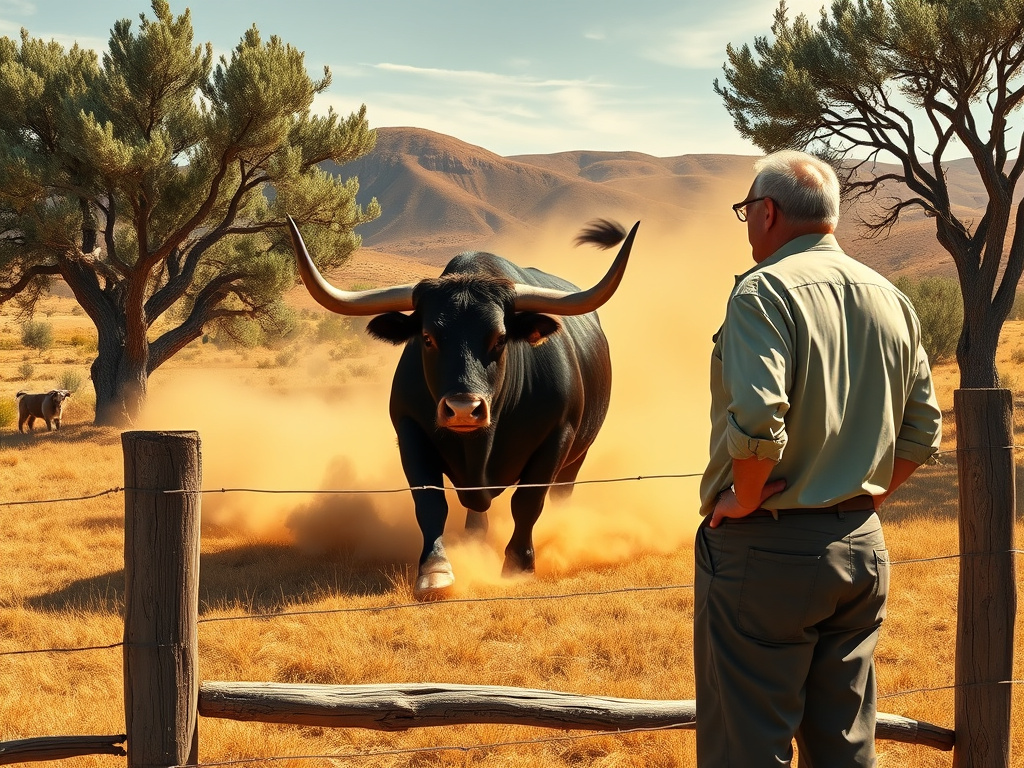
Born April 28, 1916, under the sign of the bull. He adopted the raging bull as his emblem, named most of his cars after fighting bulls, visited Spanish bull ranches, and maintained the Taurus identity throughout his life.
A farmer’s son who built four empires ✓ Documented
Lamborghini Trattori (1948), Lamborghini Bruciatori/Calor (1959), Automobili Lamborghini (1963), Lamborghini Oleodinamica (1969). He sold all of them and retired to a vineyard.
Hired impossibly young engineers and gave them total freedom ✓ Documented
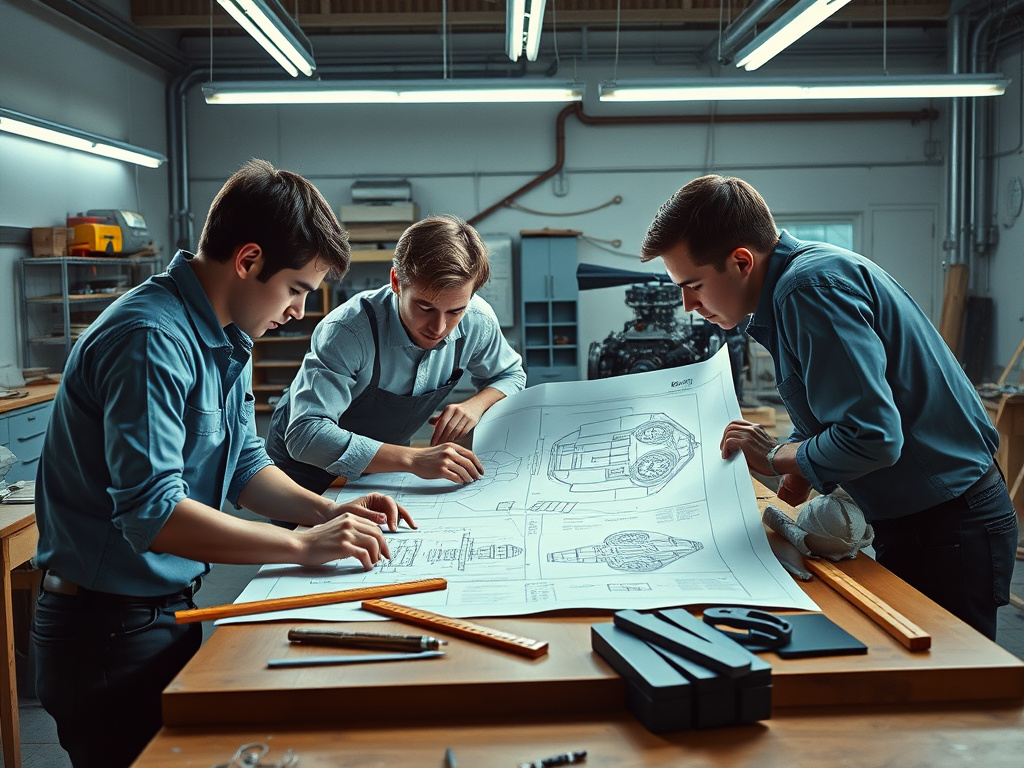
Giampaolo Dallara appointed Technical Director at 27. Bob Wallace given carte blanche over testing. The Miura was built in seven months by people who, in Dallara’s own words, were ‘so inexperienced we didn’t realize the enormity of the task.’
Never went racing — by deliberate choice ✓ Documented
He promised Dallara they would race. He never honored the promise. He believed racing would bankrupt the company. Every car he built was conceived as a grand tourer, not a race car. The engineers disagreed. He overruled them.
His first wine was called Blood of the Miura ✓ Documented
The Lamborghini estate at La Fiorita on Lake Trasimeno produced ‘Sangue di Miura’ — Blood of the Miura bull — as its inaugural wine. The winery continues under his daughter Patrizia.
Kept a Miura in the garage at La Fiorita ~ Reported
After retirement, when he missed the sound and fury of his former life, he would go to the garage and turn the key in the ignition of his Miura. Multiple biographical accounts mention this.
Served in the Italian Royal Air Force on Rhodes — not the British RAF ✓ Documented
A common error conflates his wartime service. He served in the Regia Aeronautica (Italian Royal Air Force) from 1940. He ran the vehicle maintenance workshop for the entire island garrison. After Italy’s 1943 armistice, he operated under German permission and was later detained by British forces in 1945 — leading to the 'RAF mechanic' myth.
His factory notice was still on the wall eleven years after he left ✓ Documented
When engineer Luigi Marmiroli visited Sant’Agata in 1985, a note Ferruccio had posted — ‘The next test will be done by the customer’ — was still pinned to the factory wall. No one had taken it down.
ASK THE ARCHIVE
Have a question this chapter didn’t answer? Ask the archive — answered live, checked against the same research as the story above.