
The Story in Nine Chapters
Alexander was born into a kingdom his father Philip II had already built into the strongest military power in Greece, tutored by Aristotle, and crowned king at twenty after Philip's assassination. He crossed into Asia at twenty-two and, over the next decade, dismantled the Persian Empire in a string of battles he personally led and never lost -- Granicus, Issus, Gaugamela -- while founding cities, visiting oracles that hinted at his own divinity, and pushing as far as India before his own exhausted army, not any enemy, finally refused to go further. Along the way he could be as brutal as he was brilliant: he razed Thebes as a warning, burned Persepolis, and killed his own trusted general in a drunken rage, even as he showed real respect to defeated rivals and grief that bordered on collapse when his closest companion died. He died in Babylon at thirty-two under circumstances still debated by historians, and the empire he built didn't survive him -- but the myths did, some of them almost the exact opposite of what he actually said.

Pella and the Making of a Prince
Alexander was born in 356 BC in Pella, capital of Macedon, to King Philip II and Olympias of Epirus -- a fierce, ambitious woman who claimed divine descent for her son and endured a famously difficult marriage to Philip. As a boy he tamed the horse Bucephalus, which handlers had written off as unbreakable, by noticing it was simply afraid of its own shadow and turning it to face the sun; Philip reportedly told him afterward that Macedonia was too small a kingdom for his ambitions. From roughly ages thirteen to sixteen, Alexander was tutored by Aristotle at Mieza, developing a lifelong interest in medicine, philosophy, and literature -- he carried an annotated copy of the Iliad on campaign for the rest of his life, modeling himself on its hero, Achilles.
A Kingdom Too Small
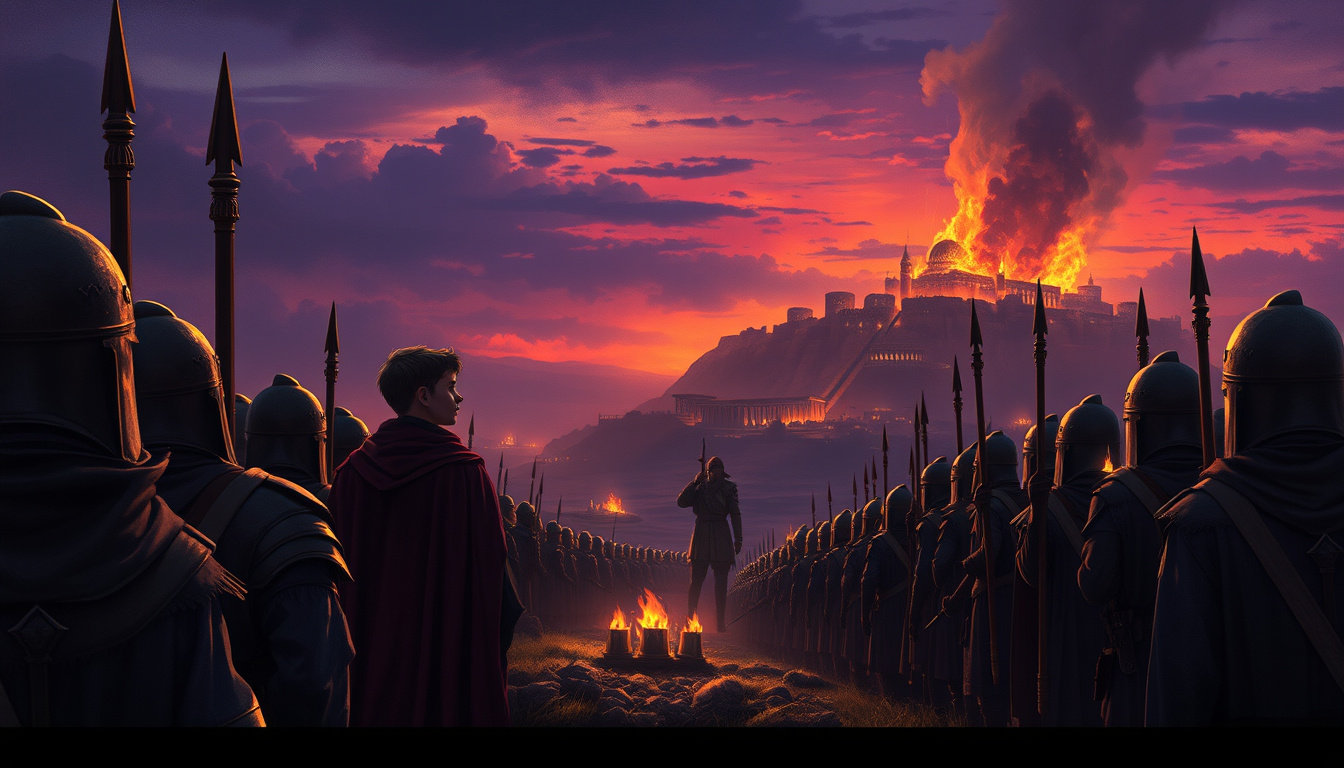
Philip II was assassinated in 336 BC at Aigai by one of his own bodyguards, Pausanias, under circumstances historians still debate -- personal grievance, a wider court conspiracy, even rumors implicating Olympias, none of it ever conclusively resolved. Alexander became king at twenty and moved immediately and ruthlessly to eliminate rival claimants to the throne. When the city of Thebes rose in revolt the following year, believing a rumor that Alexander had been killed campaigning in the north, he marched south and destroyed the city entirely, enslaving its surviving population -- a calculated act of terror meant to guarantee no other Greek city would risk revolt while he campaigned abroad.
Granicus, Gordium, and Issus
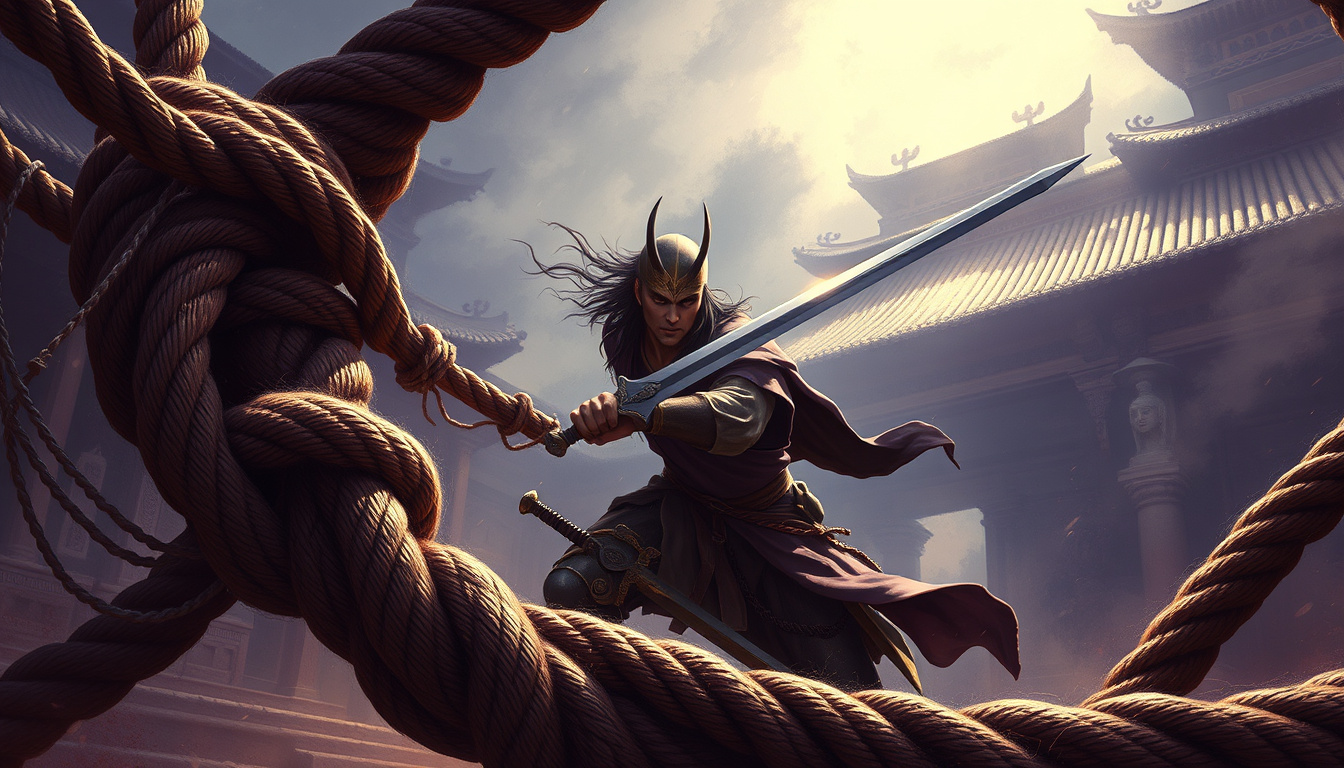
Alexander crossed the Hellespont into Asia Minor in 334 BC with a combined Macedonian and Greek force and won his first major battle against Persian forces at the Granicus River that same year. At Gordium in 333 BC he was challenged to untie the legendary Gordian Knot, which bound an ancient oxcart -- whoever solved it, prophecy held, was destined to rule all of Asia. The popular story has him cutting straight through it with his sword; but Arrian and Plutarch, citing the historian Aristobulus, record an alternate account in which Alexander instead pulled the linchpin from the yoke-pole, exposing and untying the cord without cutting anything at all -- ancient sources themselves never agreed on which happened. Later that year he defeated Darius III's much larger army at the Battle of Issus, capturing the Persian king's mother, wife, and children when Darius fled the field; Alexander treated the captured royal family with notable, deliberate respect.

Egypt and the Oracle
Alexander besieged and destroyed the island city of Tyre in 332 BC after a grueling seven-month siege when it refused to submit, then marched into Egypt, which surrendered without significant resistance. There he founded the city of Alexandria, which would grow into the greatest center of learning in the Hellenistic world, and traveled deep into the desert to consult the oracle of Zeus-Ammon at the Siwah Oasis. He emerged from that visit widely understood, by his own soldiers and by history afterward, to have been addressed by the oracle's priest in terms suggesting divine parentage -- though the precise ceremonial and linguistic details of what was actually said, and how much reflected standard Egyptian royal address rather than a genuine declaration of godhood, remain debated by historians to this day.
Gaugamela and the Fall of an Empire
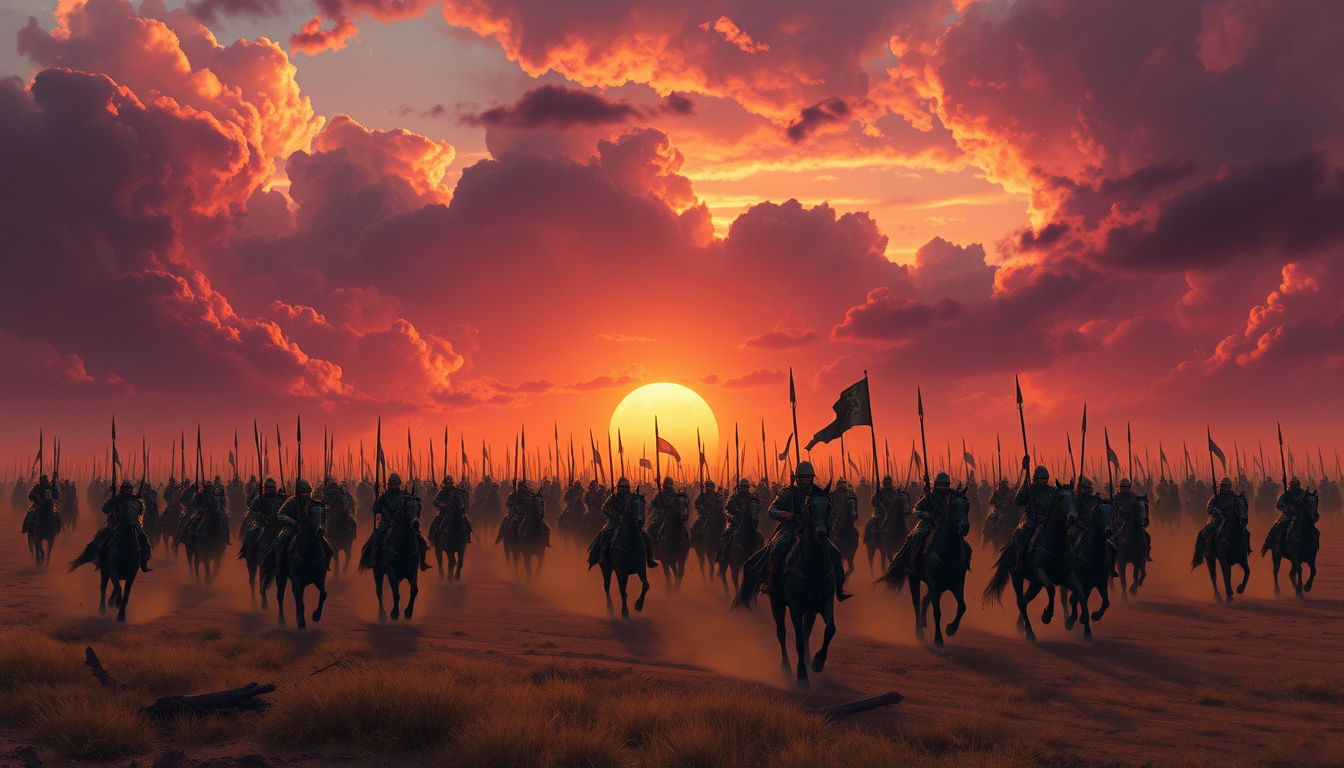
Alexander won the decisive Battle of Gaugamela in 331 BC against Darius III's full imperial army, effectively ending organized Achaemenid resistance and opening the Persian heartland to him. He occupied and then burned the ceremonial capital Persepolis in 330 BC; ancient sources disagree on whether this was a calculated political statement -- retaliation for the Persian burning of Athens a century and a half earlier -- or an impulsive decision made during a drunken banquet, reportedly urged on by the courtesan Thais. Darius III fled east and was murdered by his own satrap Bessus later that year; Alexander pursued Bessus for eventual execution and, from this point on, increasingly presented himself not as Persia's conqueror but as Darius's legitimate successor.
The Long War in the East
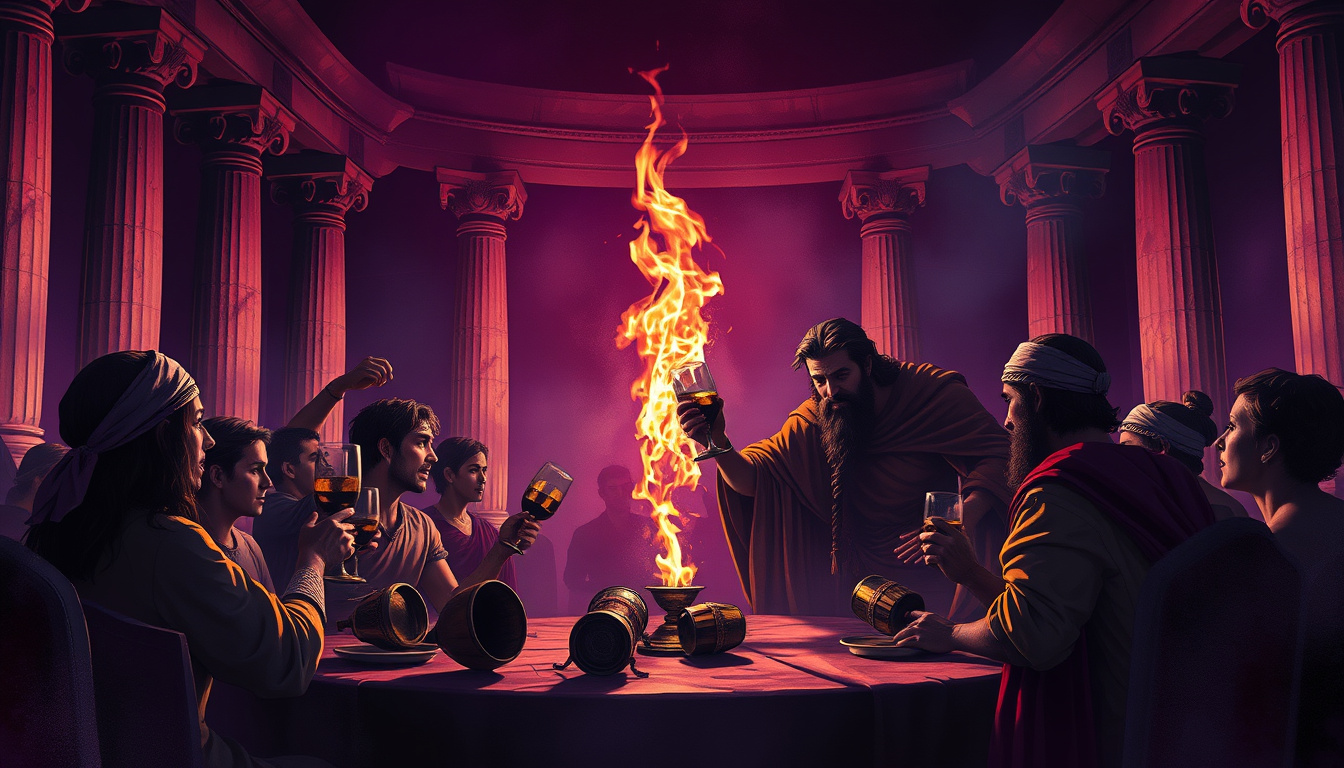
The set-piece battles against Persia's main army were over, but the fighting was not: Alexander spent 330 to 327 BC grinding through a guerrilla-style campaign across Bactria and Sogdiana, in modern Afghanistan and Central Asia, against local resistance led by commanders like Spitamenes -- far harder and slower than anything he'd faced against Darius. In 328 BC, at a drunken banquet, Alexander killed his own trusted general and childhood friend Cleitus the Black in a sudden rage after Cleitus criticized him for adopting Persian customs and for overpraising his own achievements above Philip's; Alexander was reportedly consumed with remorse afterward, by some accounts attempting to take his own life before his companions restrained him. In 327 BC he married the Bactrian noblewoman Roxana, a union with clear political value in consolidating the region he had spent years subduing.
India and the Mutiny
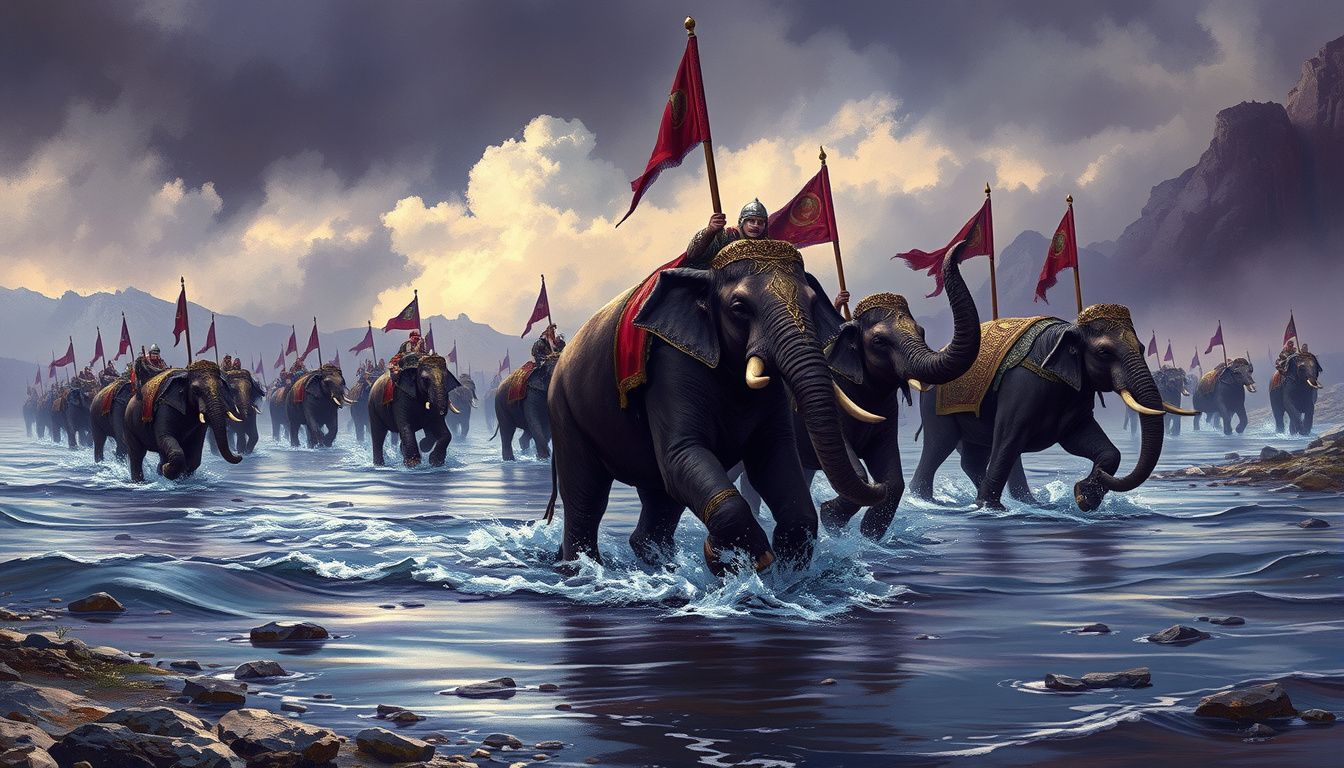
Alexander invaded India in 326 BC and won a hard-fought battle against King Porus at the Hydaspes River -- by most accounts his most difficult fight, against war elephants and a determined defense -- and was reportedly impressed enough by Porus's courage in defeat to reinstate him as a subject ruler rather than replace him. During the assault on a fortified Mallian town later that year, Alexander was struck by an arrow that punctured his lung and very nearly killed him; rumors that he had died caused real panic through his army before he recovered. At the Hyphasis River, his troops -- after eight straight years of campaigning thousands of miles from home -- refused to march any further into India. It was the only force that ever stopped Alexander's advance, and it wasn't an enemy army; it was his own men's collective exhaustion, and he was forced to turn back.
The Desert and the Grief
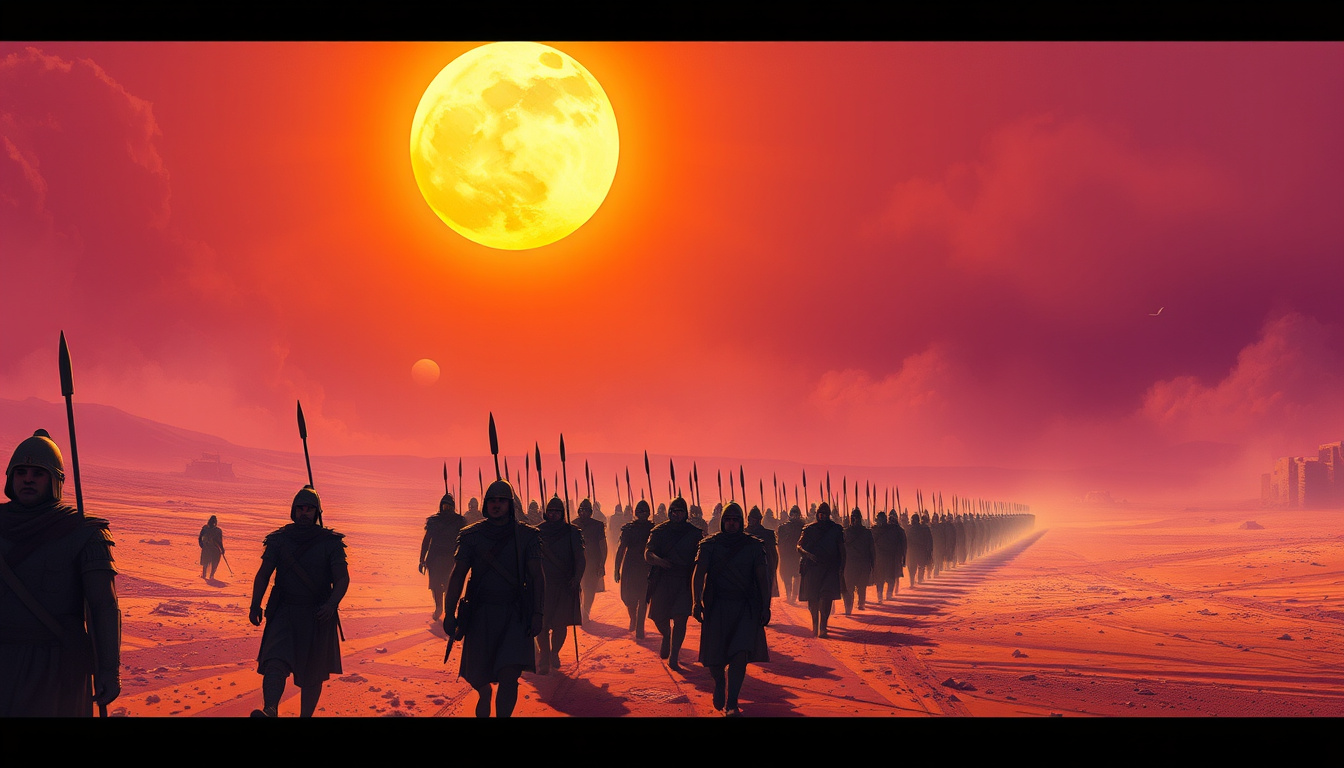
Leading a portion of his army back west through the Gedrosian Desert in 325 BC, Alexander presided over a catastrophic march that killed a large, disputed proportion of the accompanying troops and camp followers to heat, thirst, and starvation -- among the costliest single decisions of his entire campaign. In 324 BC he staged mass weddings at Susa, marrying dozens of his officers, and himself a second and third time, to Persian noblewomen in a deliberate attempt to fuse Macedonian and Persian ruling elites into one class. That October, his closest companion Hephaestion -- born the same year as Alexander, educated alongside him under Aristotle, and long understood by ancient and modern historians alike as likely his lover -- died suddenly of illness at Ecbatana after a night of heavy drinking. Alexander's grief was total: he reportedly lay across the body for nearly a full day before being pulled away by force, then ordered empire-wide mourning, cut his own hair, had the manes and tails of the army's horses shorn, and petitioned the oracle at Siwah to have Hephaestion declared a divine hero.

Babylon
Alexander died in Babylon on June 10 or 11, 323 BC, at thirty-two, after a roughly two-week illness marked by fevers, chills, and exhaustion. The exact cause remains genuinely unresolved: leading theories include typhoid fever, malaria, other infectious disease, alcohol-related illness, and a modern proposal of Guillain-Barre syndrome; poisoning was suspected by some ancient writers but isn't well supported by the actual symptom timeline. Asked on his deathbed to name a successor, the most commonly reported answer -- itself genuinely disputed among the five surviving ancient accounts of his final days -- was "to the strongest." What followed were decades of brutal succession wars among his own generals, the so-called Wars of the Diadochi, that tore his empire into competing kingdoms and eventually extinguished his bloodline entirely. One of those generals, Ptolemy, seized Egypt and founded a dynasty that would last three centuries, ending with a queen named Cleopatra.