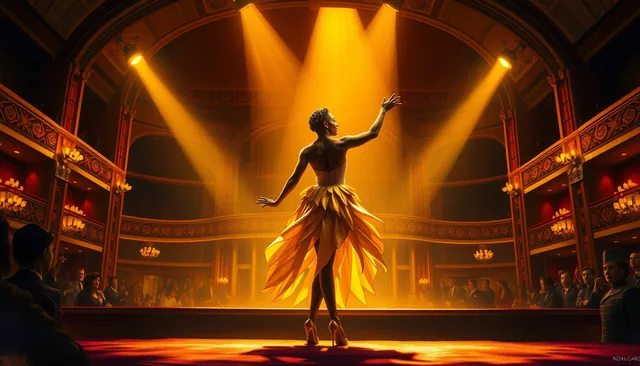
Josephine Baker
She danced in a skirt of bananas, smuggled secrets in her sheet music for the French Resistance, and died a national hero of a country that wasn't the one she was born in.
Josephine Baker rose from poverty in segregated St. Louis to become the most celebrated entertainer in Paris, an Allied intelligence courier during World War II, a civil rights voice at the March on Washington, and in 2021, the first Black woman ever inducted into France's Panthéon.

St. Louis
Born Freda Josephine McDonald on June 3, 1906, in St. Louis, to a washerwoman mother who'd given up her own dancing dreams and a vaudeville-drummer father who left before she could remember him. By eight she was cleaning houses for wealthy white families who often mistreated her. As a child she watched the 1917 East St. Louis race riot from across the river with her family, fleeing the violence. At 13 she ran away from home, found work as a waitress, and started dancing in the clubs where she worked.
Street performance and club dancing in early-1900s St. Louis had no formal pipeline to stardom — young performers built reputations by being memorable in small rooms, night after night, until a touring act noticed them.
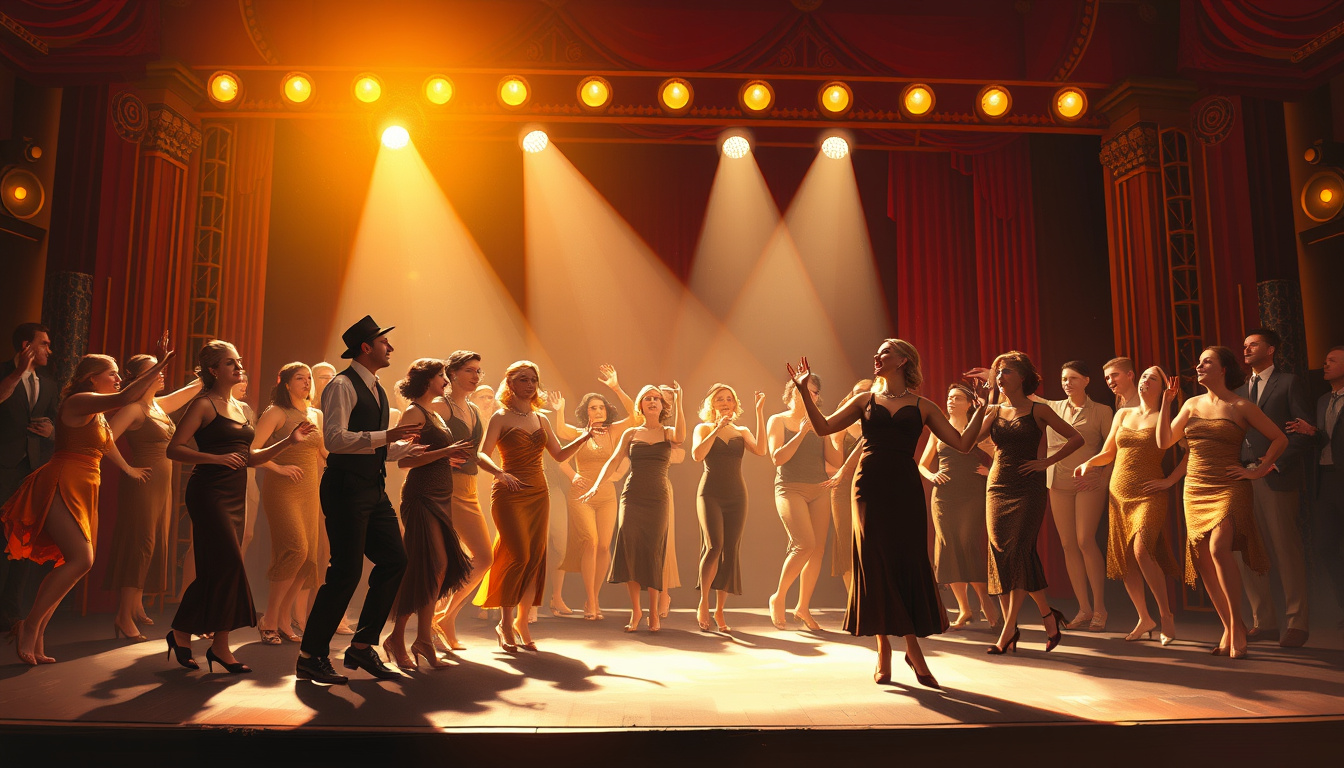
The Chorus Line
By 1919 she was touring with the Jones Family Band and the Dixie Steppers. In 1923 she landed a spot in the chorus of Shuffle Along, playing the comic dancer who couldn't quite get the steps right — a bit that made her a standout rather than a background player. She moved to New York, performed at the Plantation Club alongside Ethel Waters, and in 1925 was recruited to Paris for La Revue Nègre, part of a French vogue for American jazz.
Comic timing was Baker's early edge: rather than blend into the chorus, she played up being slightly out of step, turning a weakness into a signature bit that got her singled out by casting directors and critics alike.
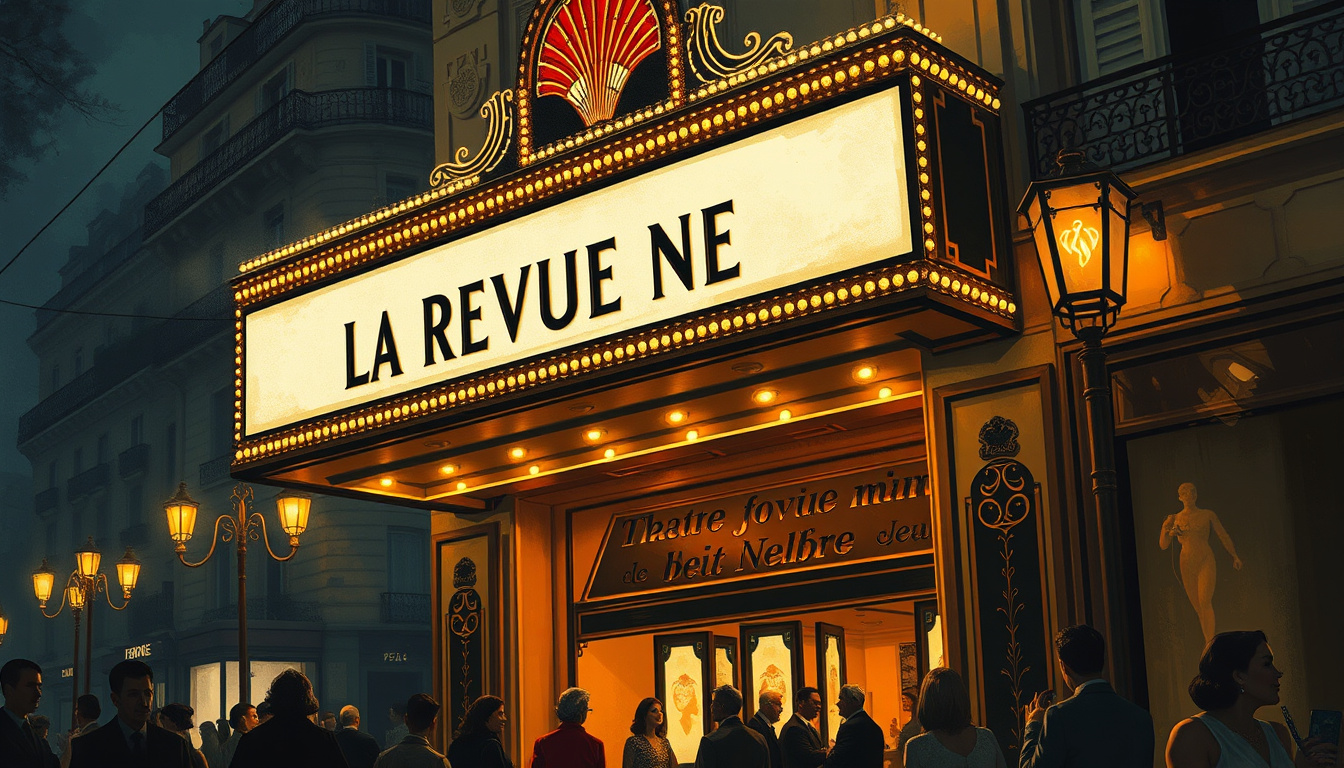
The Banana Skirt
After La Revue Nègre, Baker returned to Paris in 1926 to star at the Folies Bergère. The 1927 revue Un vent de folie made her an overnight sensation: descending from a fake palm tree wearing only pearls, wrist cuffs, and a skirt of sixteen artificial rubber bananas. It became one of the defining images of the Jazz Age. Picasso, Hemingway, and E.E. Cummings all admired her; Paris nicknamed her the 'Black Venus' and 'Black Pearl.'
The banana skirt worked because it was theater, not just costume — a self-aware, exaggerated performance of the 'exotic' image Parisian audiences expected, delivered with enough wit and control that Baker owned the joke rather than became it.
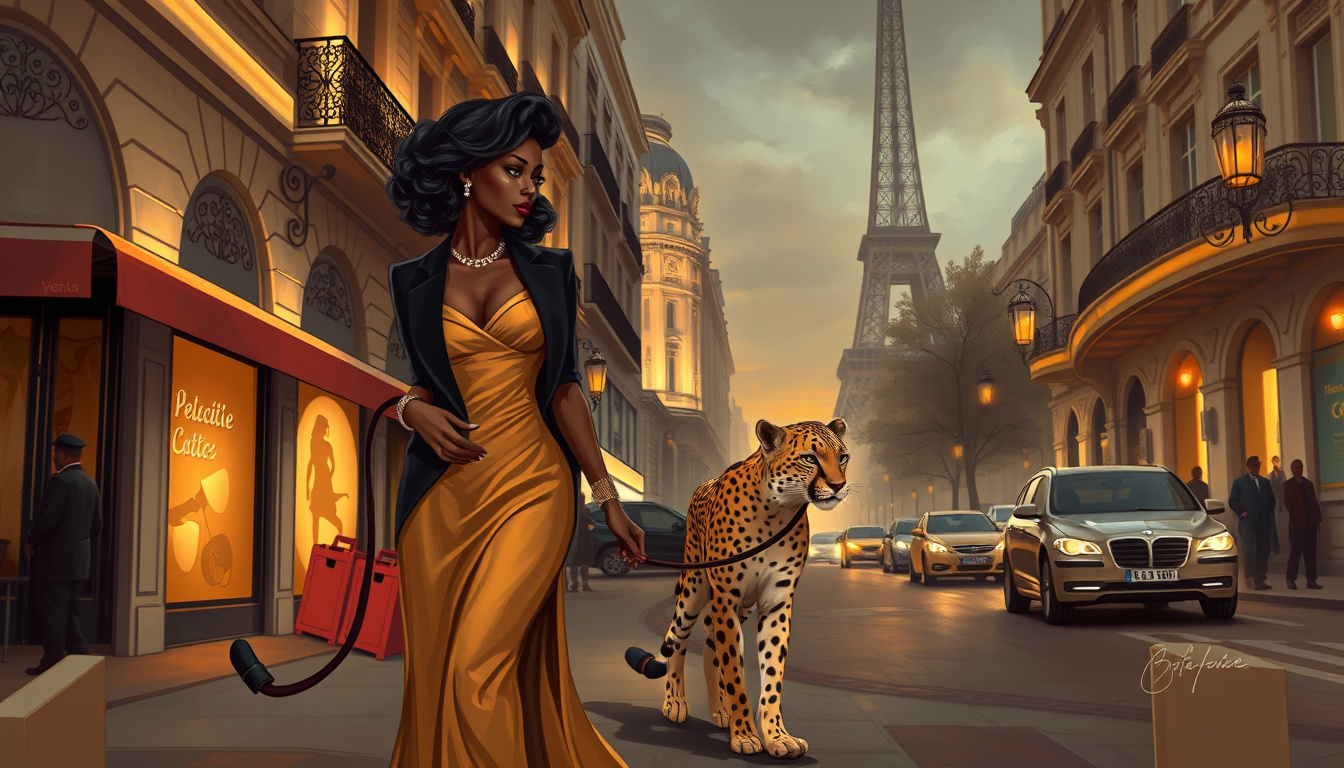
Black Venus
Baker became one of the highest-paid performers in Europe, touring with a pet cheetah named Chiquita who wore a diamond collar and regularly escaped into the orchestra pit mid-show. She walked Chiquita on the streets of Paris on a leash — contemporaries joked it was impossible to tell which end of the leash held the wild animal. In 1937 she married French industrialist Jean Lion, gaining French citizenship, a status that would matter enormously within two years.
Owning an exotic pet as a walking publicity stunt was a calculated extension of her stage persona into everyday Parisian life — it kept her name and image in circulation between engagements, decades before anyone called this personal branding.
The Spy in Sequins
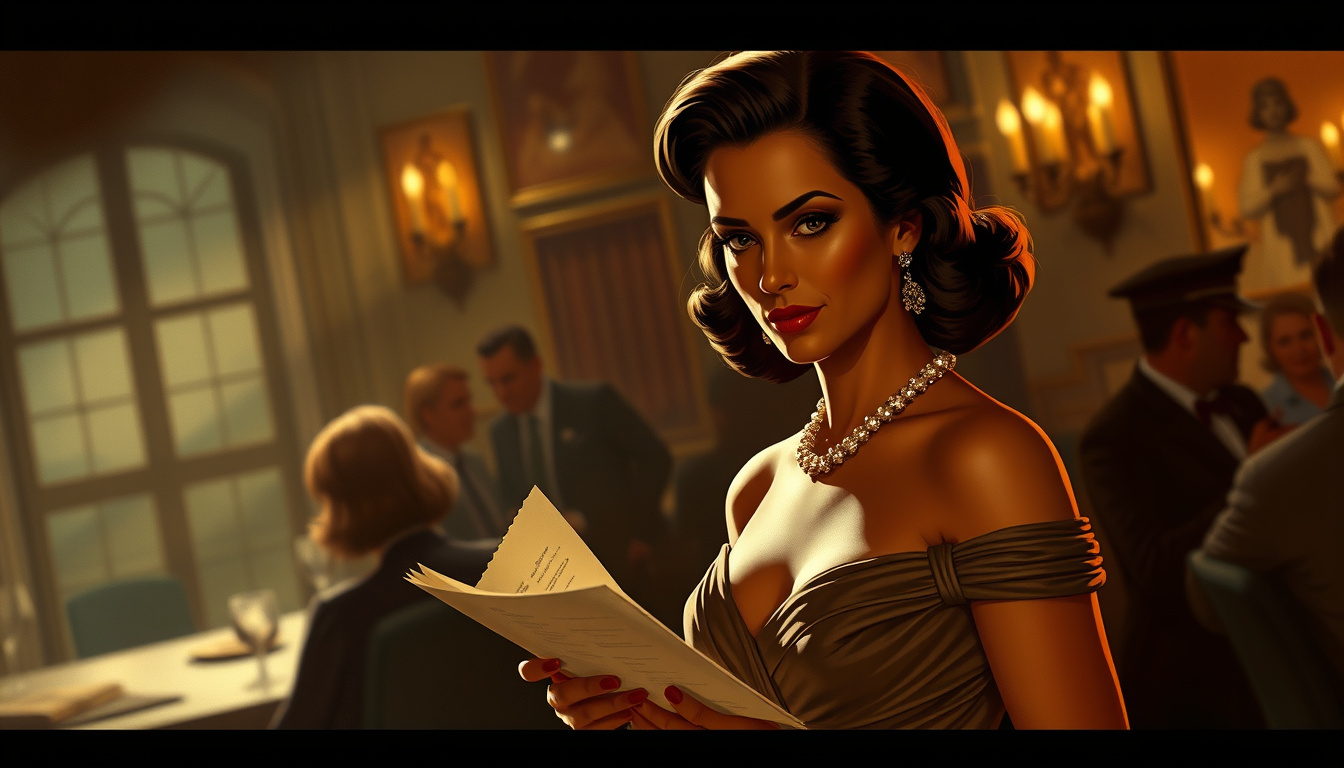
In 1939, French military intelligence officer Jacques Abtey recruited Baker to gather information on Axis diplomats — her fame let her move through embassy parties and café society above suspicion. She wrote intelligence in invisible ink on her sheet music and pinned notes inside her underwear, betting correctly that she would never be strip-searched. On instruction from Charles de Gaulle, she and Abtey carried over fifty classified documents from Lisbon to London. Information she gathered on tides, beaches, and coastal defenses is credited with supporting Operation Torch, the Allied invasion of North Africa, in November 1942.
Celebrity itself was the tradecraft: a famous entertainer could walk into rooms and past checkpoints that would stop a trained agent, simply because everyone assumed she was there to be seen, not to listen.

Amazing Grace
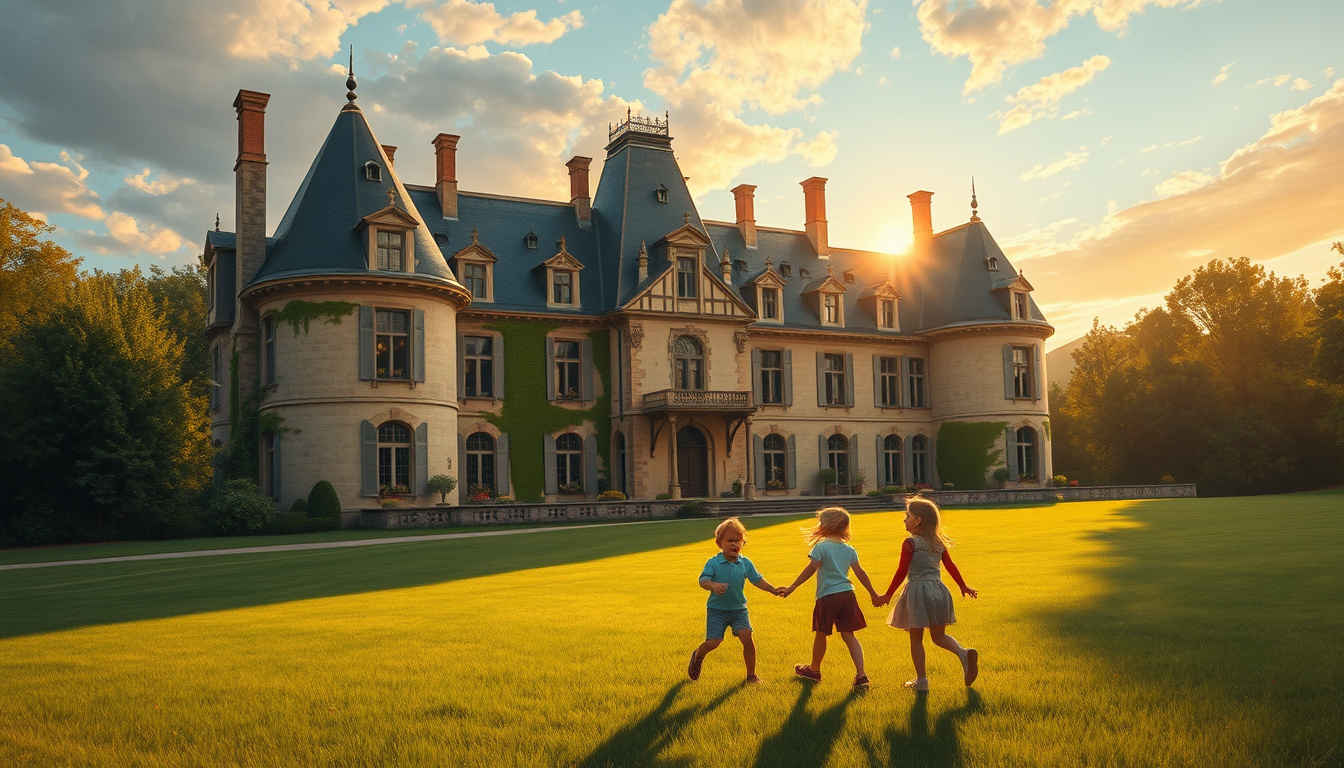
Charles de Gaulle personally awarded Baker the Croix de Guerre, the Rosette de la Résistance, and made her a Chevalier de la Légion d'Honneur — France's highest military and civil honor. After the war she married French composer and conductor Jo Bouillon in 1947 and settled at Château des Milandes, a Dordogne estate that would soon become the stage for the next chapter of her life.
Postwar France needed its own heroes and its own myths of resistance as much as it needed to rebuild — Baker's decorated service gave the state a celebrated, photogenic symbol of loyalty from an adopted daughter of the Republic.
The Rainbow Tribe
Beginning in the 1950s, Baker adopted twelve children from around the world — ten sons and two daughters, from France, Japan, Colombia, Finland, Algeria, Ivory Coast, Morocco, and Venezuela — raising each in the religion associated with their origin. She called them her 'Rainbow Tribe,' explicitly built to prove that children of different races and religions could grow up as brothers. She opened Milandes to tourists so visitors could see the family living together, while at home in America she refused to perform for segregated audiences and fought a public, bitter feud with columnist Walter Winchell after the 1951 Stork Club incident, in which she was denied service and accused Winchell — present that night — of doing nothing.
The Rainbow Tribe doubled as both sincere ideal and elaborate publicity apparatus — Milandes became a working tourist attraction built around watching the family, which is part of why it eventually needed a staff of over 120 people to run.

I Have Walked Into Palaces
On August 28, 1963, at 57, Baker flew from France to speak at the March on Washington, one of only two women (with Daisy Bates) to formally address the crowd, appearing in her French Resistance uniform just before Dr. King's 'I Have a Dream' address. Meanwhile, lavish spending on Milandes drove her into deepening debt through the 1960s; the estate faced foreclosure from 1964 and she filed for bankruptcy in spring 1969, famously photographed sitting on the front steps refusing to leave during her eviction. Her close friend Grace Kelly, Princess of Monaco, gave her a home in Roquebrune and financial help to rebuild her life.
Her March on Washington speech worked by contrast: describing being welcomed into the palaces of kings and queens abroad while being refused a cup of coffee in an American hotel made the hypocrisy of segregation immediate and personal rather than abstract.
The Panthéon
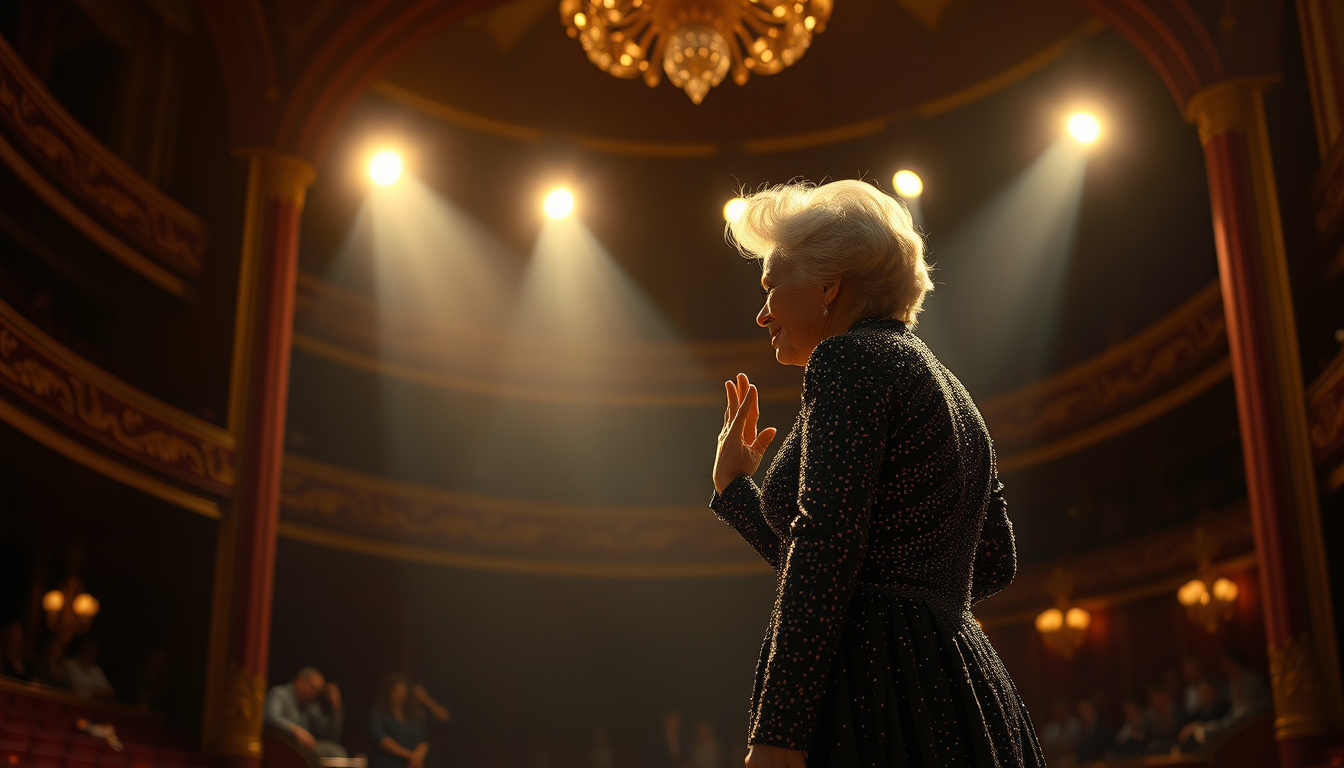
On April 8, 1975, Baker opened Joséphine à Bobino 1975 in Paris, a retrospective celebrating fifty years in show business, to rave reviews. Four days later she was found in a coma after a cerebral hemorrhage; she died April 12, 1975, at 68, and was given a full French military funeral. On November 30, 2021, she was inducted into the Panthéon — the first Black woman, first performing artist, and first American ever honored there, cited for her Resistance service, civil rights activism, and entertainment legacy. Her body remains buried in Monaco; a cenotaph holding soil from four places she lived was placed in the Panthéon in her honor.
The Panthéon induction is a cenotaph, not a reburial — an important, often-misunderstood distinction between the symbolic national honor and the actual physical resting place, which stayed in Monaco per her family's wishes.
Timeline
Quotes
“You know, friends, that I do not lie to you when I tell you I have walked into the palaces of kings and queens and into the houses of presidents. And much more. But I could not walk into a hotel in America and get a cup of coffee, and that made me mad.”
Source: BlackPast.org / CRMVet.org speech transcripts
“France made me what I am.”
Source: Multiple WWII histories (History.com, CIA.gov)
“Surely the day will come when color means nothing more than the color of the eyes.”
Source: Widely cited in Rainbow Tribe retrospectives
“I have two loves, my country and Paris.”
Source: Contemporary recordings and sheet music
“I shall dance all my life... I would like to die, breathless, spent, at the end of a dance.”
Source: Multiple biographical sources, exact interview unconfirmed
Myths & Reality
The banana skirt was real fruit
Popular retellings sometimes describe her famous 1927 costume as real bananas.
The skirt was sixteen artificial, rubber bananas, not real fruit — a deliberately theatrical, exaggerated costume, not an improvised one.
The costume and the sensation it caused are entirely real; only the 'real fruit' detail is a myth.
Her spy work was mostly seduction at cocktail parties
Popular dramatizations lean on a femme-fatale image of Baker charming secrets out of diplomats.
Historical accounts credit her more with document courier work and access — carrying over fifty classified documents from Lisbon to London herself — than with seduction-based tradecraft.
She genuinely worked as an intelligence courier and used her celebrity for access; the 'seduction spy' framing oversimplifies real courier and access-based tradecraft into something more cinematic.
She is buried in the Panthéon
News coverage of her 2021 induction is sometimes read as meaning her remains were moved to Paris.
Only a cenotaph containing soil from four places she lived was placed in the Panthéon; her actual remains stay buried in Monaco, per her family's wishes.
The honor and the ceremony were real and historic; only the location of her physical remains is commonly misunderstood.
The Stork Club incident was a proven, open-and-shut case of discrimination
The 1951 incident is often retold as conclusively proven racism with a clean villain in Walter Winchell.
The contemporary NYPD investigation did not substantiate the discrimination claim, and the more consequential part of the story — the Winchell media campaign that followed and damaged her US career for years — often gets dropped from shorter retellings.
Baker was very likely treated unfairly that night and the Winchell feud that followed was real and damaging; the myth is treating the legal case as definitively proven when the period record is more ambiguous.
Network
French military intelligence officer who recruited and ran Baker as an intelligence asset during WWII.
Instructed her Lisbon-to-London documents run and personally awarded her the Croix de Guerre and Légion d'Honneur.
Princess of Monaco; close friend who publicly supported her after the Stork Club incident and gave her a home after the Milandes bankruptcy.
Second husband (1937); French industrialist through whom she gained French citizenship.
Fourth husband (1947-1961); French composer and conductor, co-parent of the Rainbow Tribe at Château des Milandes.
Powerful gossip columnist whose public feud with Baker after the Stork Club incident badly damaged her US career through the 1950s.
Reportedly asked Baker to consider leading the civil rights movement after Dr. King's 1968 assassination.
Character
Reinvention
Rebuilt herself from a St. Louis runaway into Europe's highest-paid performer, then again into a decorated wartime intelligence asset, then again into a civil rights voice — a career defined by successive, deliberate transformations rather than one steady rise.
Physical courage
Ran intelligence documents across borders during wartime knowing capture meant execution, and later staged solo protests against segregated venues at real professional and physical risk.
Showmanship
Understood instinctively that spectacle — a banana skirt, a pet cheetah on a diamond leash — could be both art and self-promotion at once, decades before that fusion had a name.
Generosity to a fault
Her extravagant spending on Milandes and her twelve adopted children reflected real idealism but also poor financial management that eventually bankrupted her.
Persistence under public attack
Weathered a sustained, damaging media campaign from Walter Winchell in the 1950s without disappearing from public life, eventually rebuilding her career into the 1970s.
Moral clarity on race
Refused to perform for segregated American audiences even when it cost her bookings, at a time when few entertainers of any race were willing to make that trade.
Adaptability across borders
Built a French identity and citizenship on top of an American one without abandoning either — code-switching between two national selves throughout her adult life.
A taste for spectacle at home
Turned her own private life — the Rainbow Tribe, the chateau, even a wax museum of her own career — into something the public could visit, blurring the line between family and exhibit.