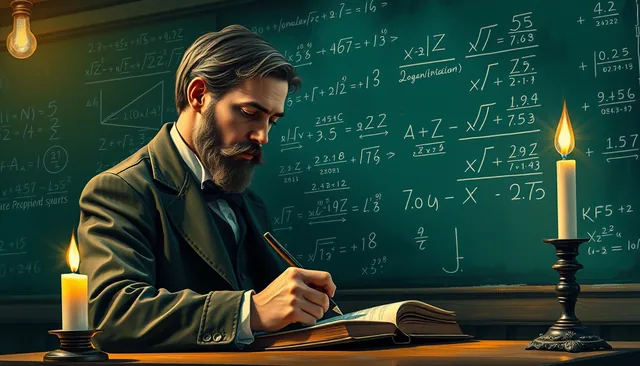
George Boole
A self-taught shoemaker's son reduced human reasoning to algebra, died from a fever his own sense of duty invited, and seventy years later became the invisible logic gate inside every computer on Earth.
George Boole was a self-taught English mathematician who, without ever earning a university degree, became the first professor of mathematics at Queen's College, Cork, and invented the algebra of true and false that now bears his name. He died at 49, decades before Claude Shannon showed that Boolean algebra was the literal blueprint for every digital circuit — and every bool in every programming language — that followed.
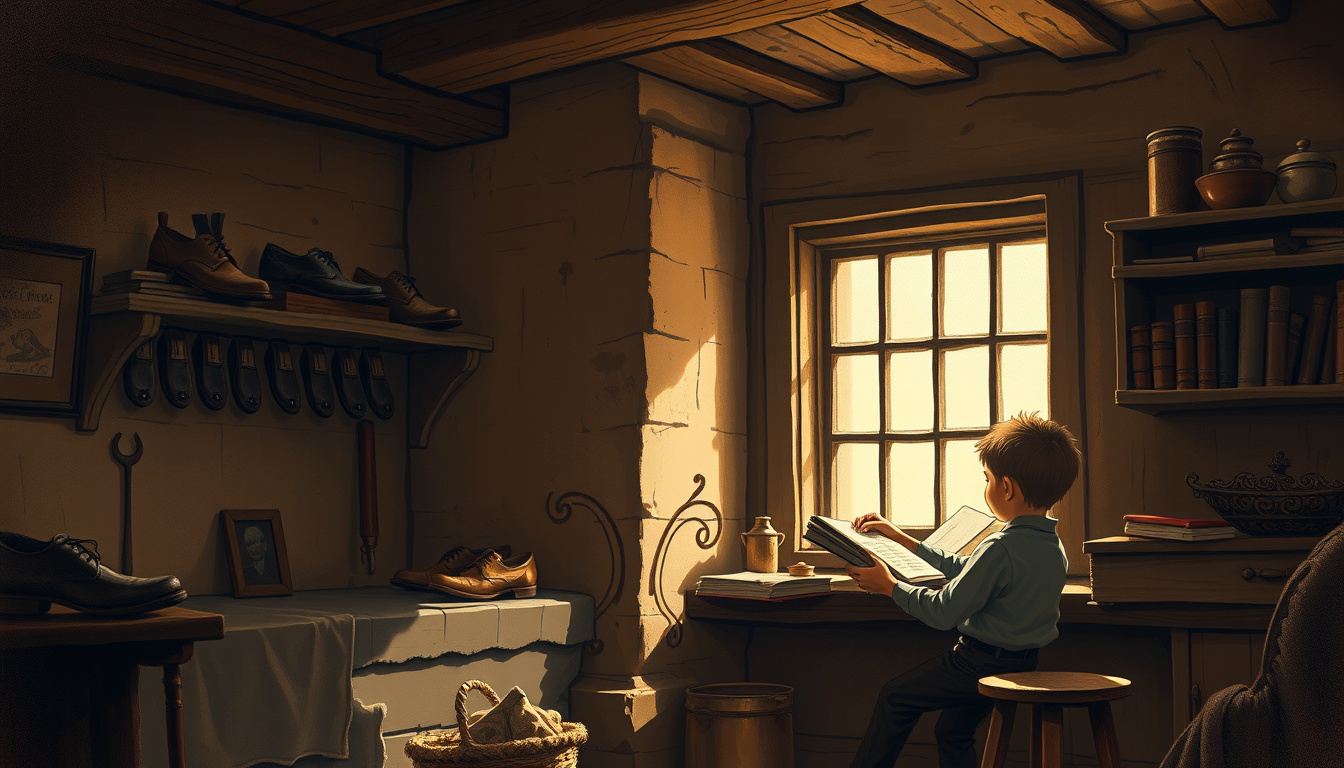
The Shoemaker's Son
Born November 2, 1815, in Lincoln, England, to John Boole, a shoemaker better known for good company than good business sense, and Mary Ann Joyce. With no access to elite schooling, George taught himself advanced mathematics and several languages — Latin, Greek, French, German — helped along by a supportive family and books lent by a local patron, Sir Edward Bromhead. In 1831, when his father's business finally collapsed, 16-year-old George became the family's primary breadwinner.
Self-education in the 1820s meant borrowing books from wealthier patrons and working through advanced mathematical texts with no teacher to check the work — Boole's entire mathematical foundation was built this way, alone, before he ever held a paid teaching post.
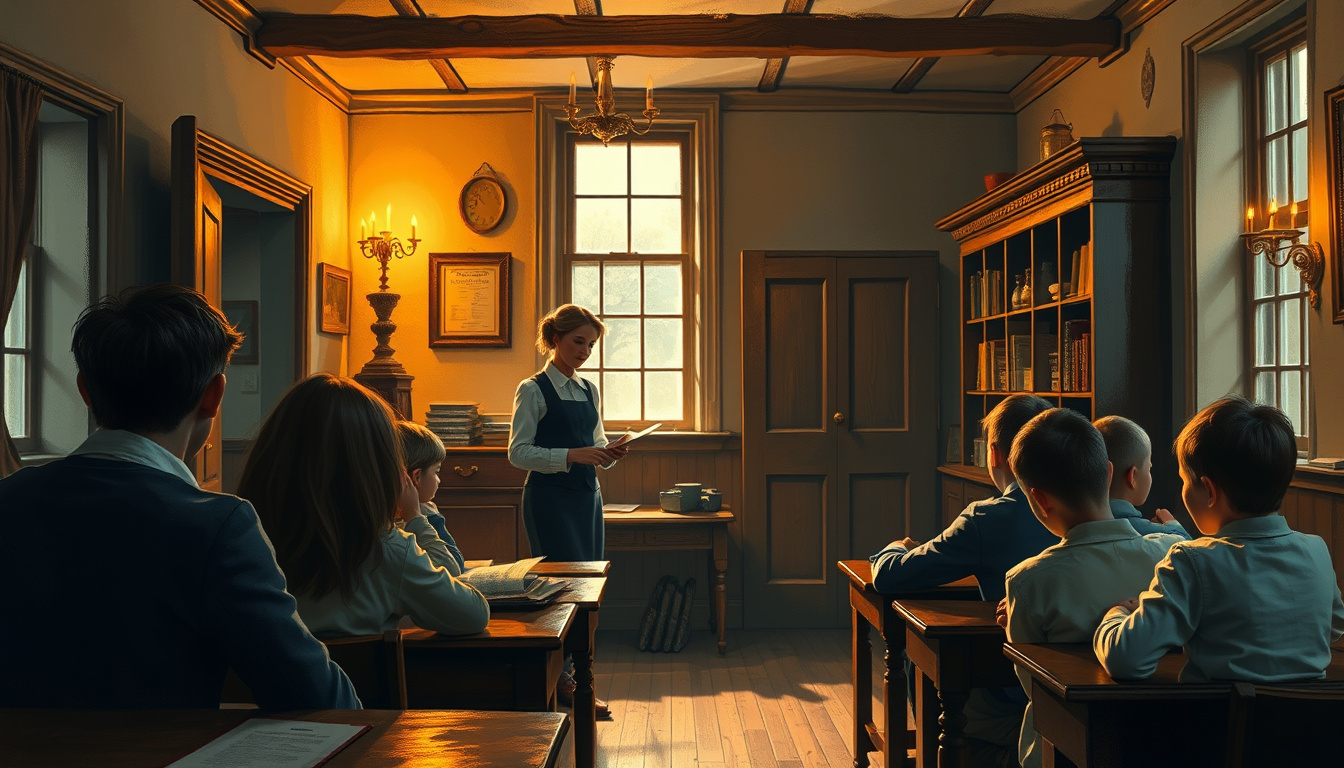
Opening His Own School
Boole took a junior teaching post in Doncaster to support his family, then realized an assistant's salary wasn't enough. In 1834, still a teenager, he opened his own school on Free School Lane in Lincoln. It succeeded well enough that in 1840 he opened a second, more ambitious 'Boarding School for Young Gentlemen' at Pottergate, Lincoln — all while teaching himself the advanced mathematics that would eventually make his name, entirely outside any university.
Running a small private school gave Boole financial independence and the free time, in the gaps between lessons, to work through original mathematical papers — a working schoolteacher doing frontier research on the side.
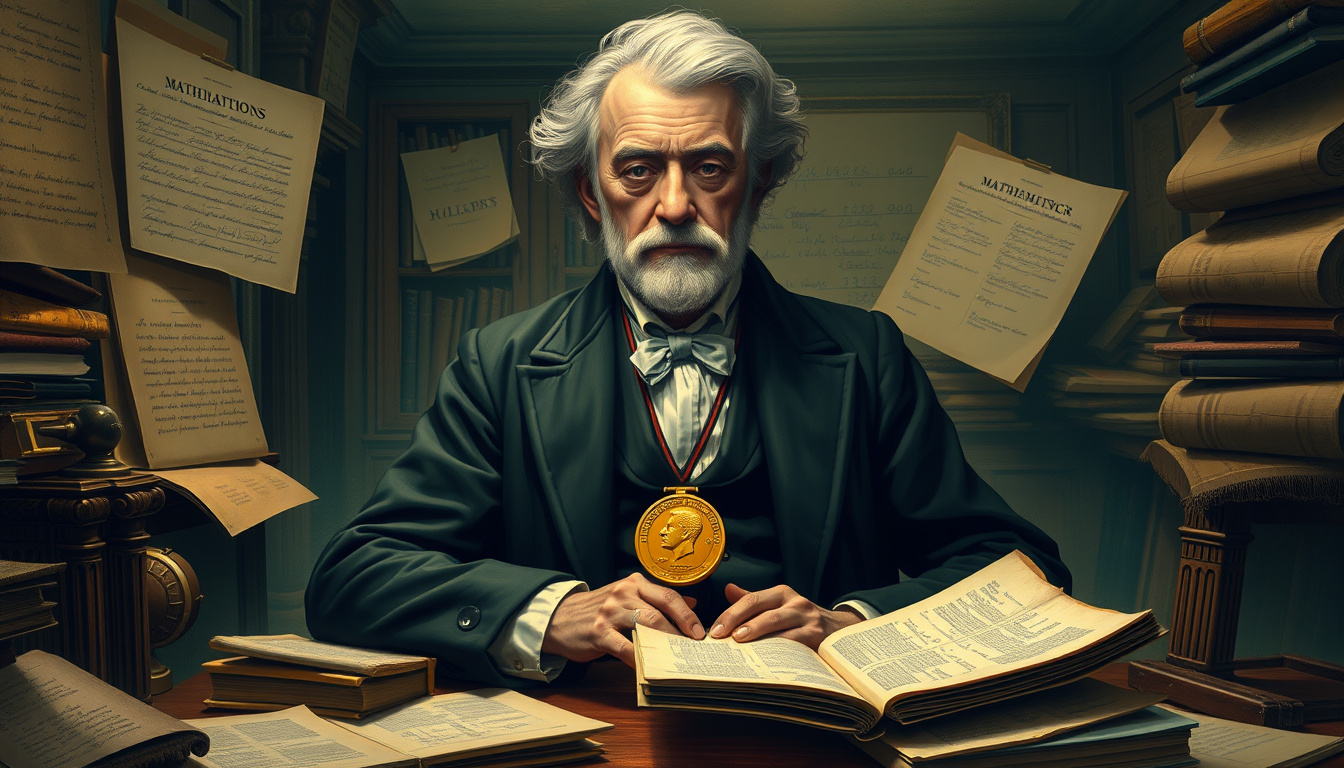
The Royal Society Takes Notice
Through the 1840s, Boole published a stream of original papers on algebra and differential equations, submitted from a small-town schoolroom rather than a university department. In 1844 the Royal Society awarded him its first-ever gold medal for mathematics — remarkable recognition for a self-taught schoolteacher with no formal higher education and no university affiliation.
The Royal Society judged the mathematics purely on its merits rather than the credentials of its author, which is precisely what let an untrained provincial schoolteacher win the era's top mathematical honor.
Professor Without a Degree
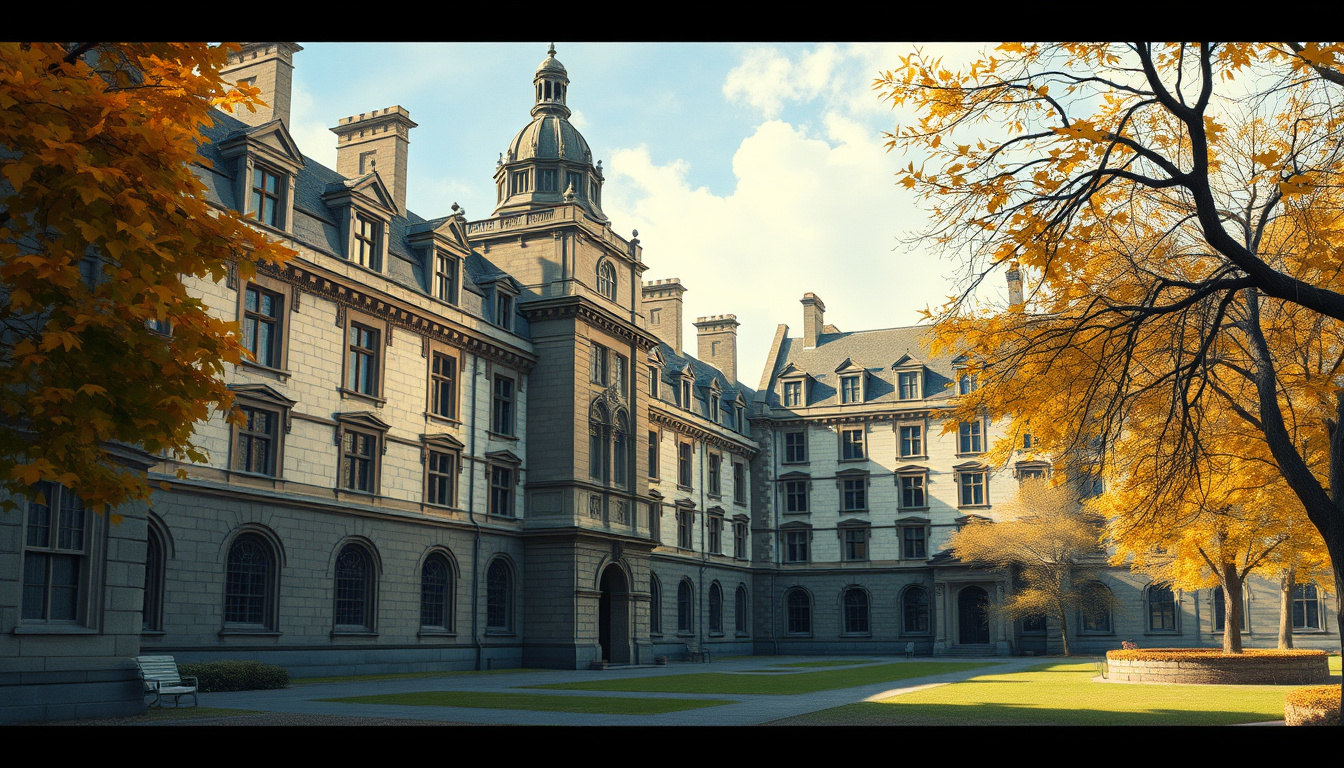
In 1849, on the strength of his published work alone, Boole was appointed the first professor of mathematics at the newly founded Queen's College, Cork, in Ireland — despite never having earned a university degree of his own. It was an almost unheard-of appointment for the era, built entirely on the reputation of his self-taught research.
Queen's College was a brand-new institution in 1849 with no entrenched faculty hierarchy to navigate, which made it more possible than at an older university for a credential-less but clearly brilliant mathematician to be hired straight into a professorship.
The Laws of Thought
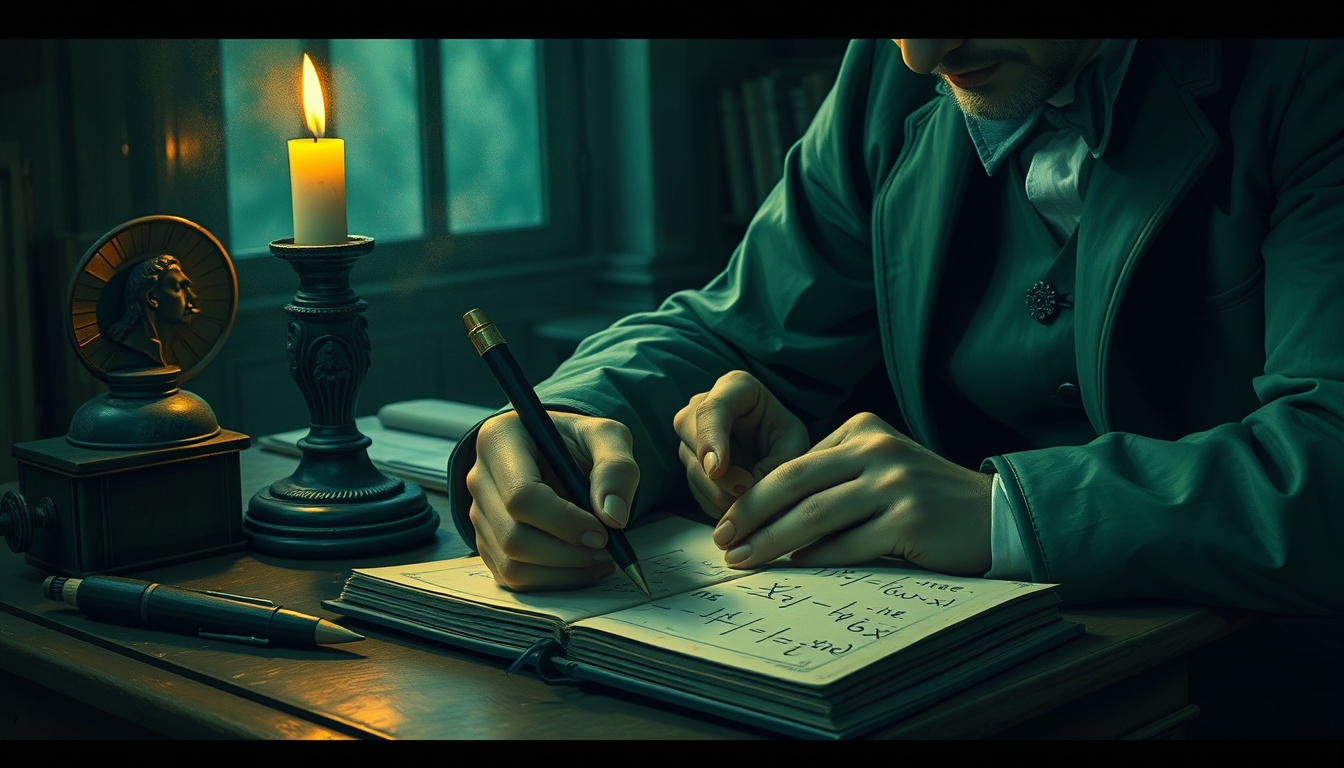
In 1847 Boole published 'The Mathematical Analysis of Logic,' followed in 1854 by his mature statement, 'An Investigation of the Laws of Thought.' His central idea was radical: that logical reasoning itself — true, false, and, or, not — could be represented as algebraic symbols and manipulated with mathematical rules, turning argument into calculation. In his own lifetime this was received as an elegant, abstract contribution to logic and philosophy, with no known practical application.
Boolean algebra works by assigning just two values — true and false, or 1 and 0 — to logical statements, then defining operators (AND, OR, NOT) that combine them by strict algebraic rules, exactly the way ordinary algebra combines numbers.
Mary Everest
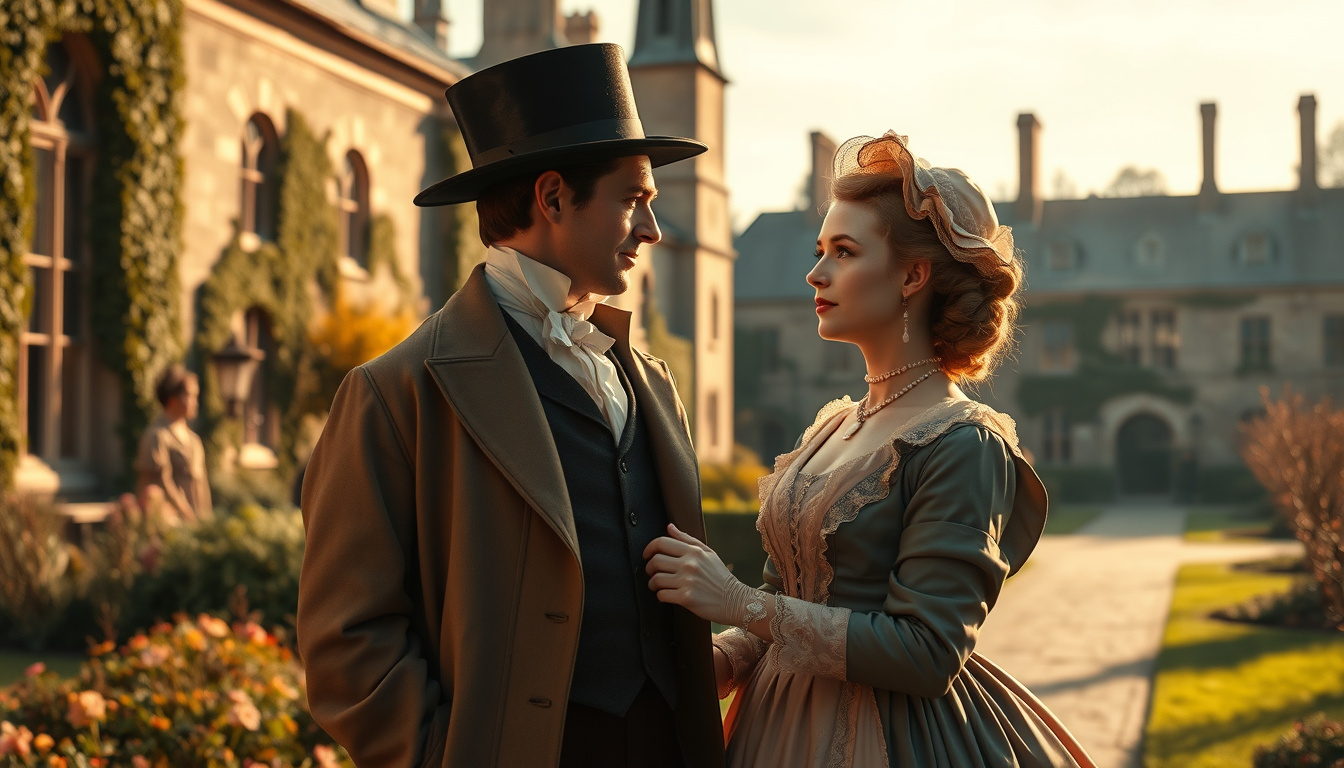
In 1850, at Queen's College, Cork, Boole met Mary Everest, who was visiting her uncle, the Greek professor John Ryall. Mary was the niece — on a different branch of the family — of Sir George Everest, the surveyor after whom Mount Everest is named. Boole and Mary Everest married in 1855; she was self-taught herself and went on to become a respected writer and educator on mathematics teaching in her own right. By most accounts theirs was a genuinely happy marriage.
Mary Everest Boole's later educational writing pushed for intuitive, hands-on ways of teaching mathematics to children rather than rote memorization — ideas well ahead of the standard Victorian classroom approach.
The Boole Daughters
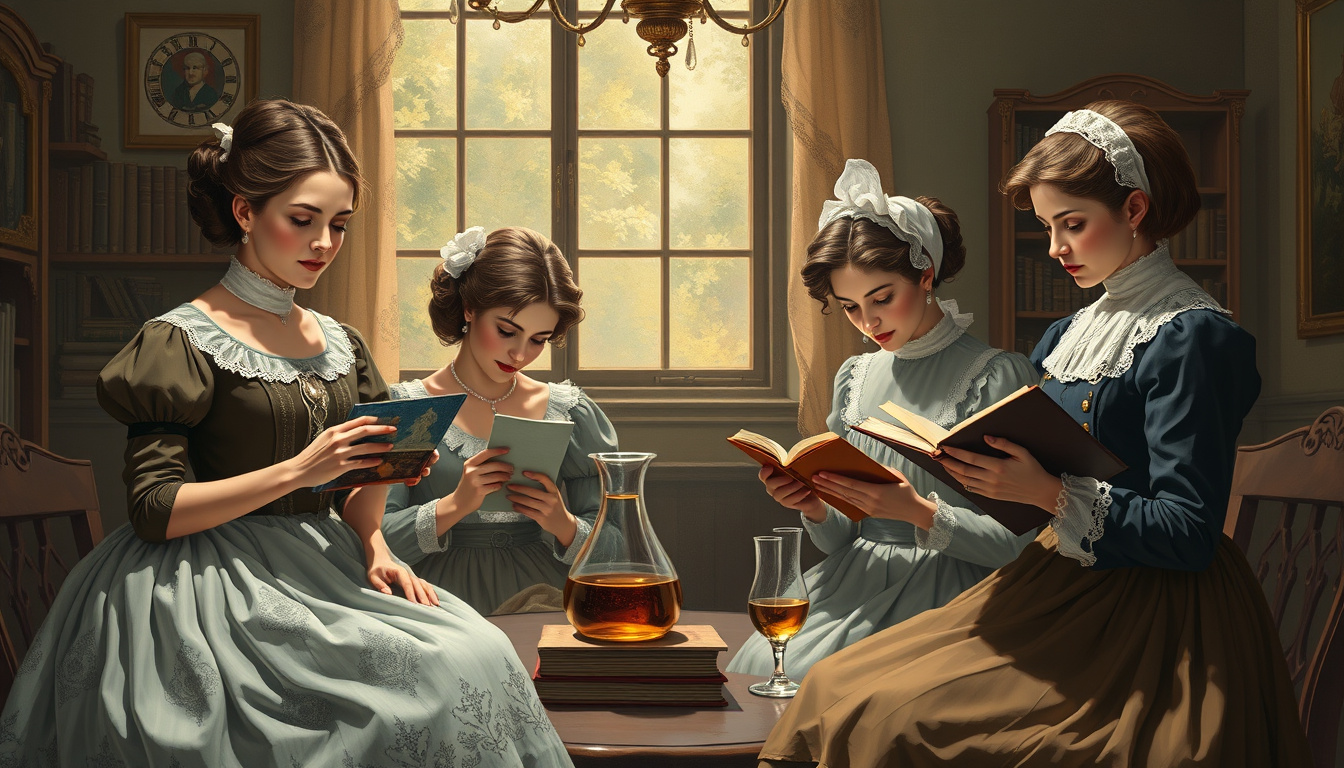
George and Mary Boole had five daughters. Alicia Boole Stott, despite no formal mathematical training, became a self-taught expert in four-dimensional geometry, producing three-dimensional cross-sections of four-dimensional shapes using purely Euclidean methods. Lucy Everest Boole became the first woman Fellow of the Institute of Chemistry. And Ethel Lilian Boole, writing as Ethel Lilian Voynich, authored the novel 'The Gadfly' — which went on to sell millions of copies in the Soviet Union and China, far more famous there than in Britain or America.
None of the daughters had access to formal university education — the era simply didn't offer it to women — so each built her expertise the same self-taught way their father had: through books, correspondence, and independent work.
The Walk Through the Rain
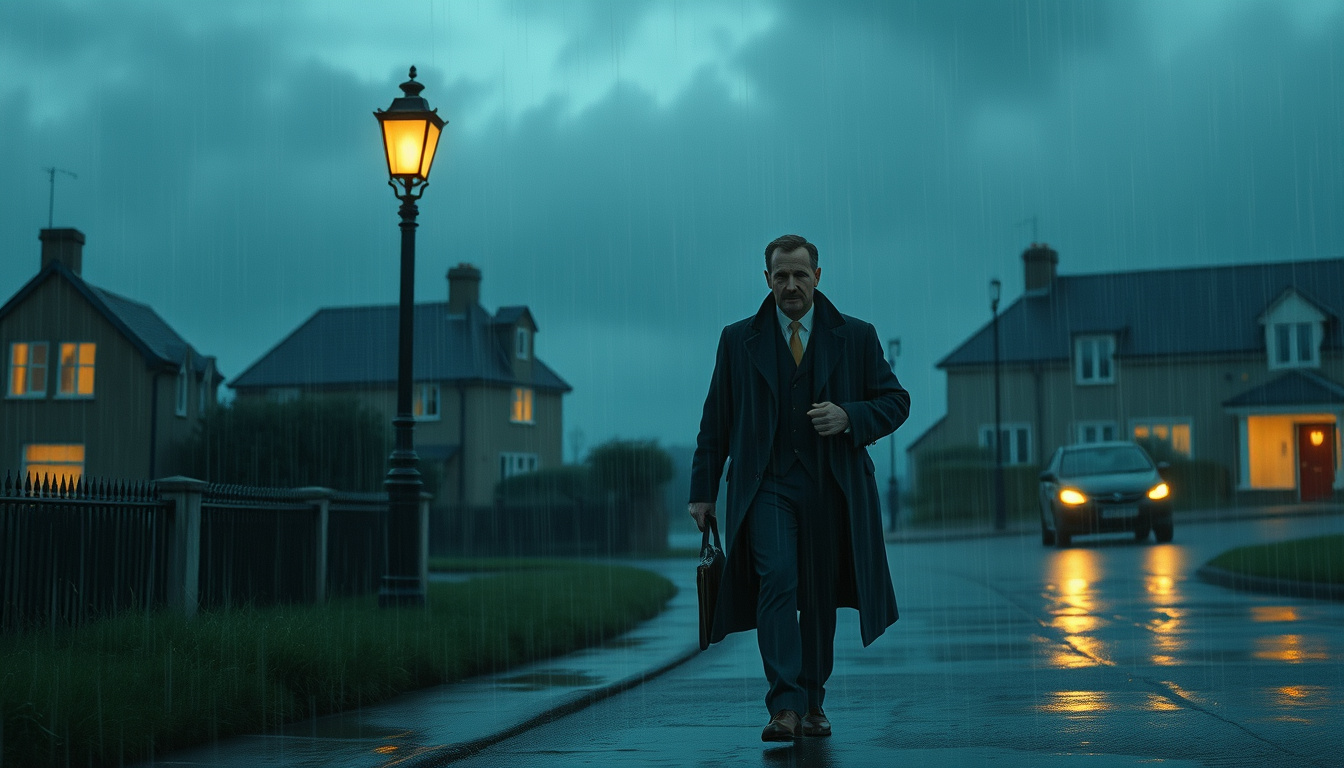
In November 1864, Boole walked roughly three miles from his home to Queen's College through heavy Irish rain, then lectured in his wet clothes rather than changing, reportedly out of a sense of obligation to his students. He developed a severe fever. Mary, a lifelong believer in homeopathy — raised partly in the household of homeopathy's founder, Samuel Hahnemann — applied the principle that 'like cures like': since cold and wet had caused the illness, she poured buckets of cold water over her feverish husband and wrapped him in wet blankets.
Homeopathic 'like cures like' logic held that a remedy resembling the cause of an illness would cure it — a coherent belief system within its own framework, but one with no grounding in the actual physiology of fever and chill that made Boole's condition worse rather than better.

The Logic Gate
Boole died December 8, 1864, of a fever-induced pleural effusion, age 49. For more than seventy years afterward, Boolean algebra remained a niche interest for logicians and philosophers, with no connection to engineering. Then in 1937, 21-year-old MIT student Claude Shannon's master's thesis showed that Boole's true/false logic mapped exactly onto the on/off states of electrical relay switches — meaning digital circuits could be designed using Boolean algebra. That thesis became the theoretical foundation of all modern computing hardware, and is the direct reason 'bool' is a basic data type in nearly every programming language written since.
Every digital circuit, at bottom, is built from logic gates — AND, OR, NOT — that are direct hardware implementations of the algebraic operators Boole defined in 1854, entirely unaware that a switch, let alone a computer, would ever exist to run them.
Timeline
Quotes
“No matter how correct a mathematical theorem may appear to be, one ought never to be satisfied that there was not something imperfect about it until it also gives the impression of being beautiful.”
Source: MacTutor History of Mathematics, sourced quotations page
“The general laws of Nature are not, for the most part, immediate objects of perception... They are, in all cases, and in the strictest sense of the term, judgments founded upon observation.”
Source: The Laws of Thought, primary text
Myths & Reality
Boole invented Boolean algebra to build computers
It's tempting to imagine Boole as a proto-computer-scientist working toward digital logic.
Boole died in 1864, more than 70 years before Claude Shannon's 1937 thesis connected his algebra to switching circuits. Boole's actual goal was purely philosophical: to mathematically describe the laws of human reasoning itself.
Boolean algebra genuinely is the theoretical foundation of digital circuits — the myth is only that Boole intended or foresaw that application in his own lifetime.
Mary Boole's treatment was medical negligence or malice
The story of pouring cold water on a feverish, dying man can read as shockingly careless or even hostile.
Mary was a sincere, lifelong homeopathy believer, raised partly in the household of homeopathy's founder Samuel Hahnemann; her treatment followed homeopathy's internally consistent (if medically unfounded) 'like cures like' principle, applied out of care, not neglect.
The treatment did coincide with his decline and the irony is real and well documented; the myth is treating her intent as careless rather than a genuine, if medically wrong, belief.
Boole was an obscure, isolated figure in his lifetime
Self-taught outsiders are sometimes assumed to have worked in total obscurity until later rediscovery.
Boole won the Royal Society's first gold medal for mathematics in 1844, was appointed a professor on the strength of his published work, and corresponded within the mathematical community of his day — he was recognized, if modestly, well before his death.
His later fame (especially the computing connection) vastly exceeds his contemporary recognition, but he was not an unknown figure among period mathematicians.
Network
Click a name to jump to their story below.
Local patron and mathematician who gave the young, self-taught Boole access to advanced mathematical books and literature.
Wife (m. 1855); self-taught mathematics educator in her own right, niece of Sir George Everest.
Mary's uncle, the surveyor-general of India after whom Mount Everest is named; Boole's uncle-in-law.
Third daughter; became a self-taught expert in four-dimensional geometry despite no formal training.
Fifth daughter; author of the internationally bestselling novel 'The Gadfly.'
MIT student whose 1937 thesis applied Boolean algebra to switching circuits, founding modern digital circuit design more than 70 years after Boole's death.
Professor of Greek at Queen's College Cork; Mary Everest's uncle, whose household is where Boole and Mary first met.
Character
Relentless self-education
Built his entire mathematical foundation without a university degree, through borrowed books and independent study, from age 16 onward while supporting his family.
Sense of duty
Walked three miles through heavy rain to lecture rather than cancel or delay class, then taught in wet clothes — the same devotion to obligation that likely caused his fatal illness.
Aesthetic standard for truth
Believed a mathematical theorem wasn't fully correct until it was also beautiful, treating elegance as a genuine criterion of rigor rather than mere decoration.
Quiet radicalism
Reduced something as seemingly unformalizable as human reasoning itself into symbols and algebraic rules, a genuinely audacious act of abstraction for his era.
Provider instinct
Became his family's sole financial support at 16 and built two functioning schools from scratch before ever holding an academic post.
Indifference to credentials
Rose to a Royal Society gold medal and a Cork professorship purely on the strength of his published work, never seeming to be held back by lacking a degree.
Intellectual partnership
Married a woman who was herself a serious independent thinker and educator, and raised daughters encouraged toward serious intellectual work despite the era's limits on women's education.
Legacy patience (posthumous)
His most consequential idea sat almost entirely dormant for over 70 years before Claude Shannon's thesis revealed its practical power — a rare case of a thinker's true impact arriving generations after death.