
Amelia Earhart
She refused to just be flown anywhere, broke the transatlantic record herself, then vanished over the Pacific chasing one more — and the true story of what likely happened is stranger, and sadder, than any of the myths built to replace it.
Amelia Earhart was an American aviator who went from a skeptical, unimpressed nine-year-old at her first sight of an airplane to the most famous pilot in the world. She set record after record, then disappeared over the Pacific in 1937 attempting to fly around the globe. Declared legally dead in 1939, her fate has been argued over for nearly a century — not because the evidence is genuinely unclear, but because the most likely answer is quieter than anyone wants it to be.

Atchison to the Sky
Amelia Mary Earhart was born July 24, 1897, in Atchison, Kansas, and spent much of her childhood with her grandparents, roaming outdoors, climbing trees, and sledding against her grandmother's wishes. She saw her first airplane at the Iowa State Fair in 1908 and was distinctly unimpressed, later calling it 'a thing of rusty wire and wood' that looked 'not at all interesting.' During World War I she left college to volunteer at a military hospital in Toronto, where she met wounded aviators and grew fascinated with flight. Her first ride in an airplane in 1920 changed everything; within days she had resolved to learn to fly.
Earhart's path to flying ran through a hospital ward, not an airfield — she encountered aviation first as something men came home broken from, which makes her instant conversion after a single 1920 flight even more striking.

Learning to Fly
Earhart began flying lessons in 1921 with pioneering female instructor Neta Snook, working odd jobs to pay for every hour in the air. She soon bought her first airplane, a secondhand Kinner Airster biplane she nicknamed 'The Canary.' In 1922 she set a women's altitude record, climbing to 14,000 feet — a record that stood only briefly, but established her as a serious flier rather than a hobbyist years before the public knew her name.
Flight lessons in the early 1920s were expensive and largely closed to women; Snook was one of the few instructors willing to teach a female student, which made Earhart's entire aviation career contingent on finding that one willing teacher.
A Sack of Potatoes
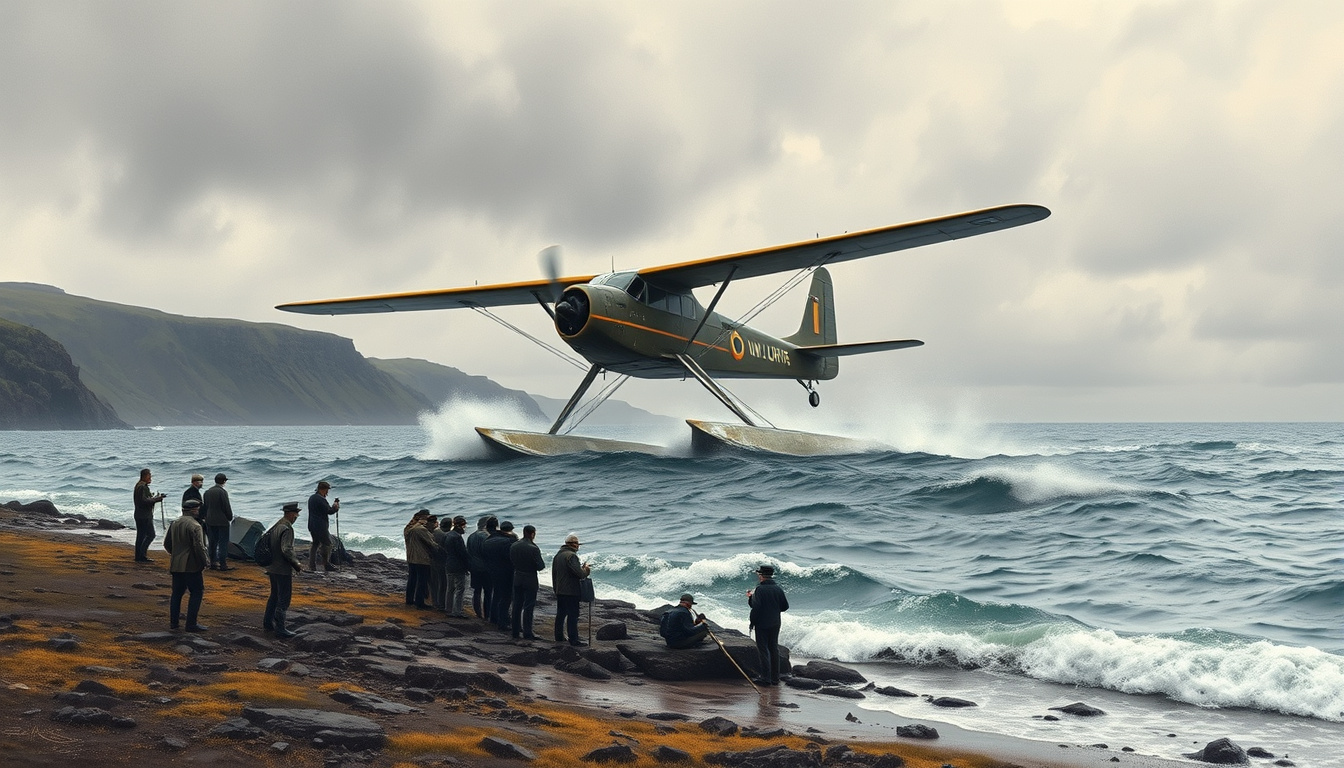
In 1928, publisher George Putnam was recruiting a woman to be the first to cross the Atlantic by air, and Earhart was chosen — not as pilot, but as passenger and log-keeper aboard a Fokker flown by Wilmer Stultz and Louis Gordon. She later joked that on the flight she had been useless as anything but 'a sack of potatoes.' It didn't matter to the public: she landed in Wales on June 18, 1928, an instant international celebrity, and immediately said she intended to make the crossing alone someday.
The flight made Earhart famous for accomplishing something she hadn't actually done herself, which is precisely why she spent the next four years working to actually earn the record the public had already credited her with.
The Ninety-Nines
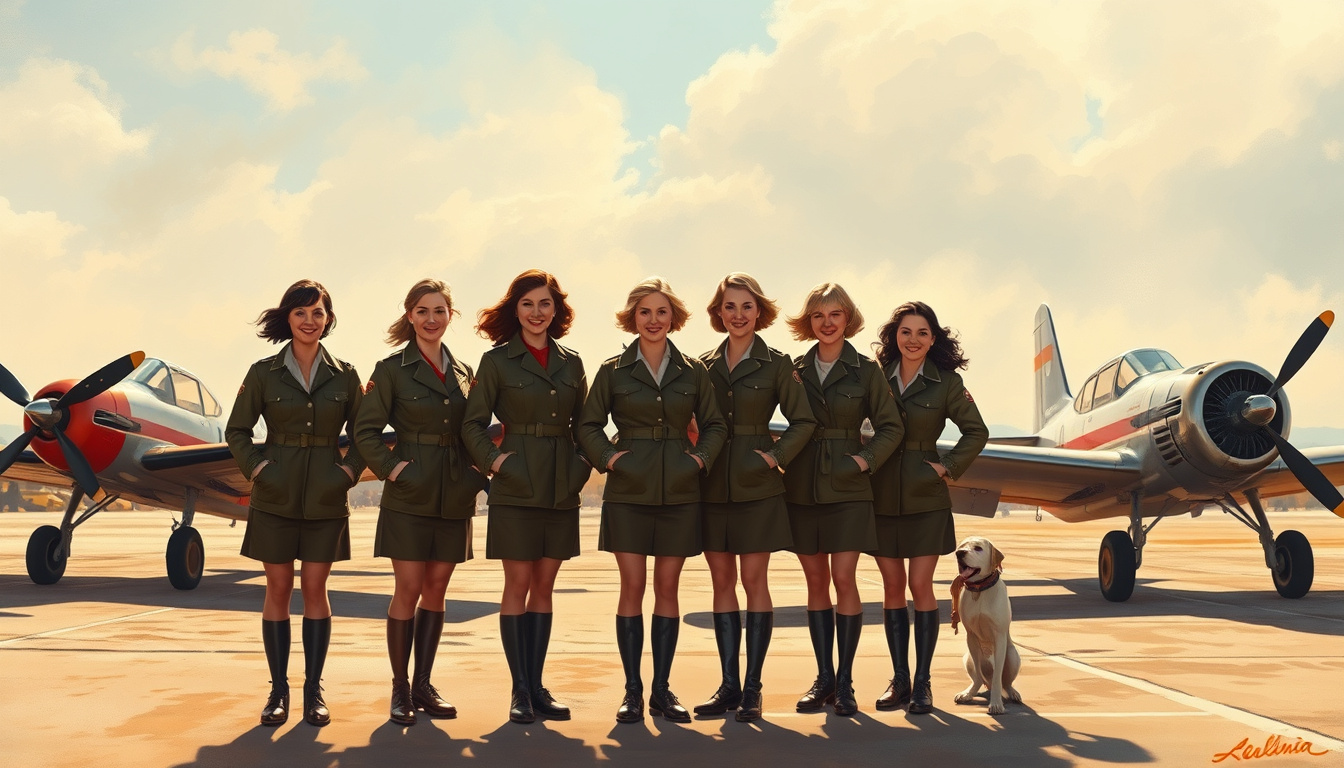
In November 1929, Earhart joined 98 other licensed female pilots — nearly all of them in the country at the time — to found the Ninety-Nines, an organization for the mutual support and advancement of women in aviation. In 1931 she was elected its first president. The group gave women pilots something the field otherwise denied them: a shared professional network, credibility, and a collective voice in an industry that treated female aviators as novelties.
With only 99 women in the entire country then licensed to fly, the organization's founding size wasn't a marketing number — it was close to the whole population of qualified female pilots in America at that moment.
Marriage on Her Own Terms
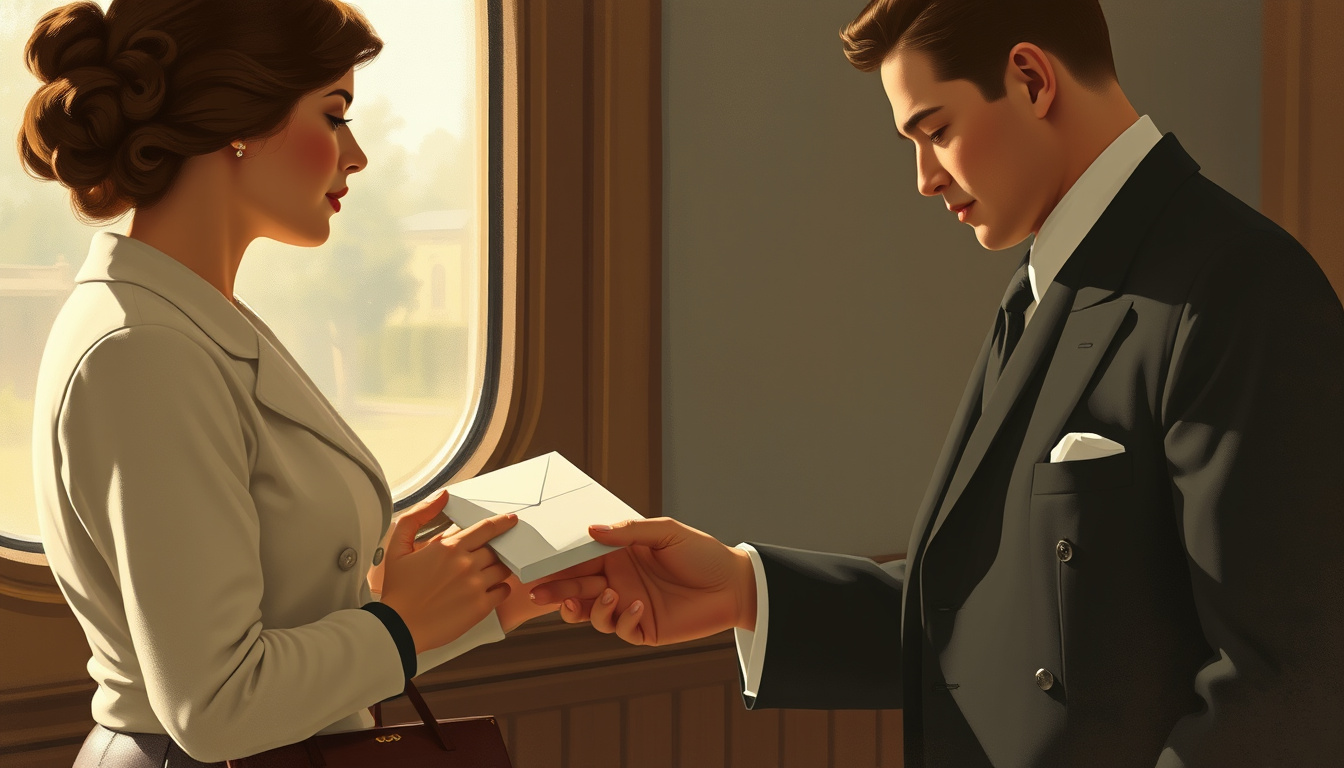
George Putnam, the publisher who had launched her fame, proposed to Earhart repeatedly before she accepted. On the morning of their February 7, 1931 wedding, she gave him a letter laying out her terms: she would not hold him to 'medieval' fidelity, would keep working and traveling on her own, and asked him to release her from the marriage within a year if it wasn't working. He kept the letter. The marriage held for the rest of her life, on essentially those terms.
Prenuptial letters were not a legal instrument in 1931 the way they are now — Earhart's had no binding power at all. Its entire force came from Putnam choosing to honor an agreement he could easily have ignored.
Alone Across the Atlantic
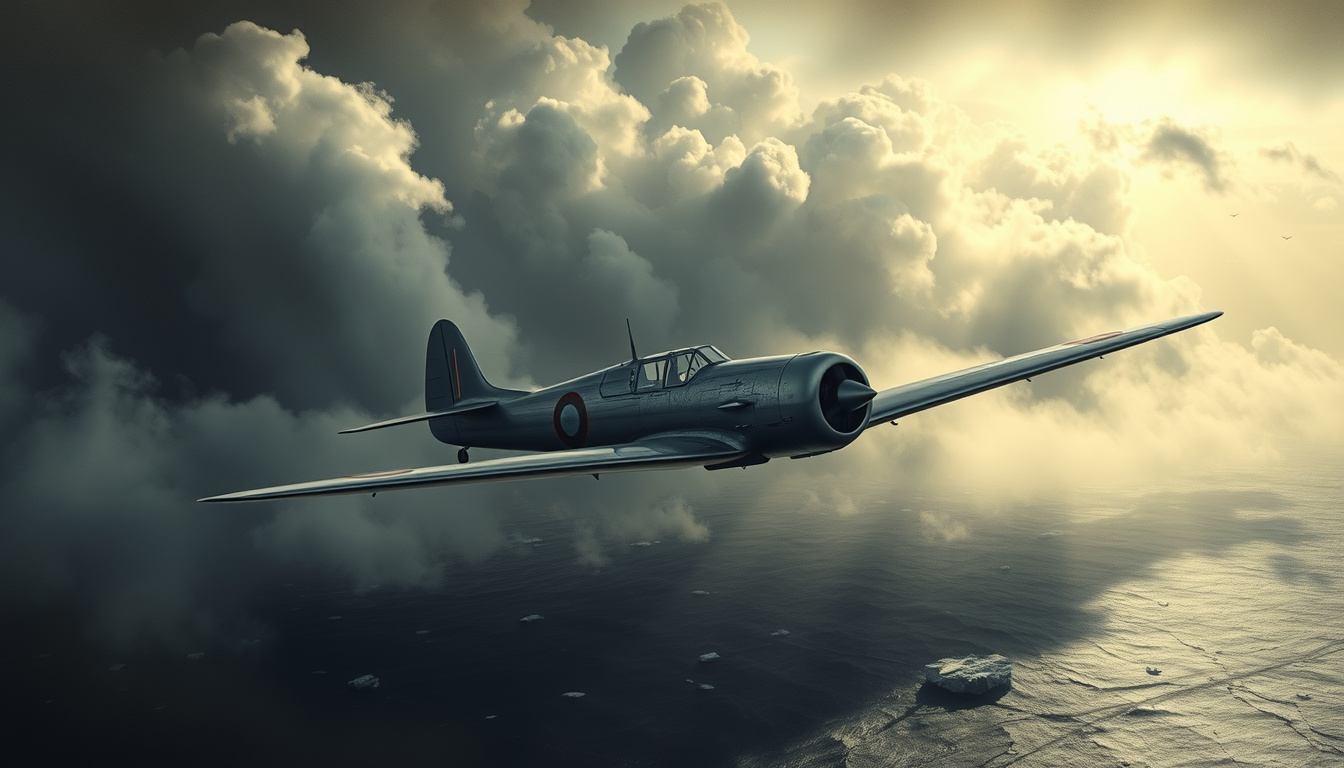
On May 20, 1932, Earhart took off from Newfoundland and landed roughly 15 hours later in a pasture in Northern Ireland, becoming the first woman — and only the second person after Charles Lindbergh — to fly solo nonstop across the Atlantic. The press had already nicknamed her 'Lady Lindy' for her resemblance to Lindbergh even before this flight; now the comparison had a real accomplishment behind it. Congress awarded her the Distinguished Flying Cross, the first ever given to a woman.
Solo transatlantic flight in 1932 meant roughly 15 hours alone in a small cockpit with no autopilot, fighting ice on the wings and a cracked fuel gauge — mechanical failures that a less experienced pilot might not have survived.

Purdue and the Flying Laboratory
In 1935, Purdue University hired Earhart as a visiting faculty member and career counselor for women, giving her access to the school's engineering department and airfield. Purdue then established a fund that purchased an $80,000 Lockheed Electra 10E, publicized as a 'flying laboratory' for aeronautical research — and the aircraft Earhart intended to fly around the world.
Framing the Electra as a research instrument rather than a personal record-attempt vehicle was what let a university justify funding it — the world flight was real science-adjacent PR as much as it was an aviation stunt.
The World Flight
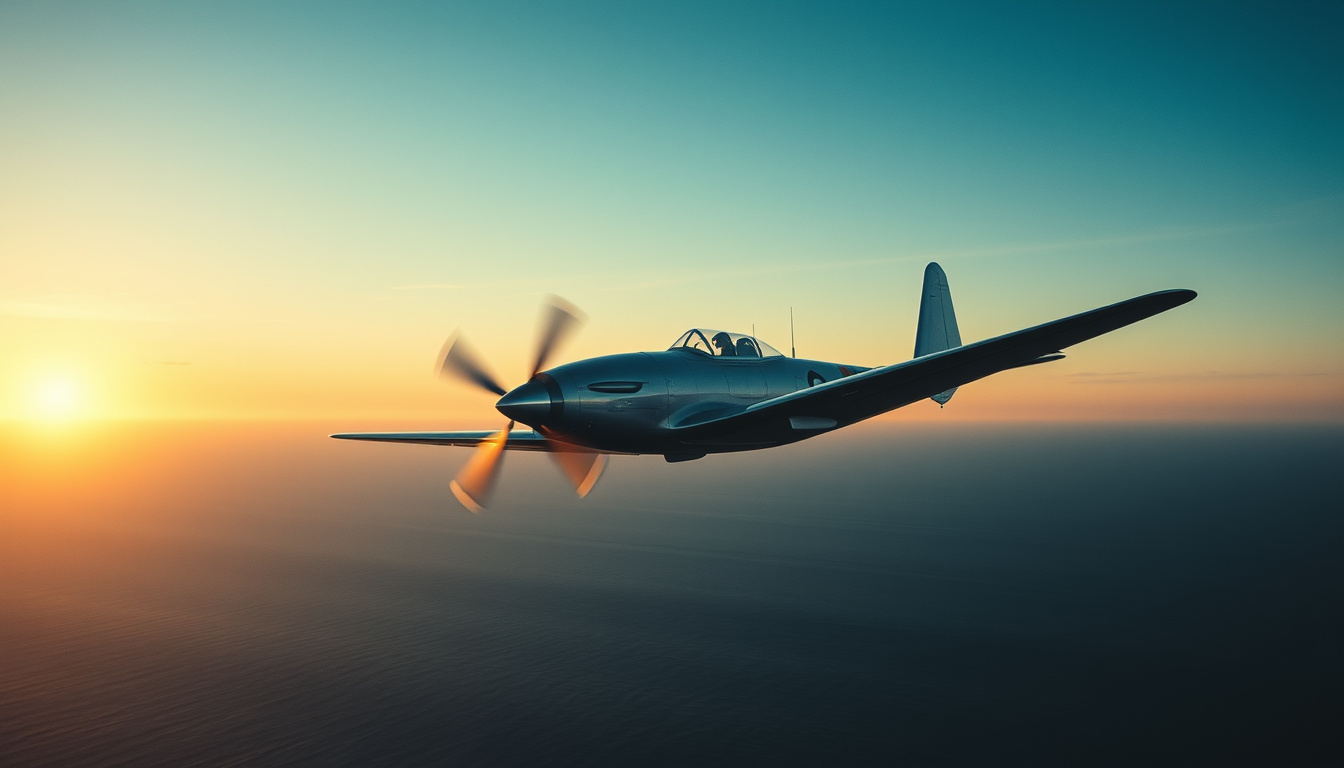
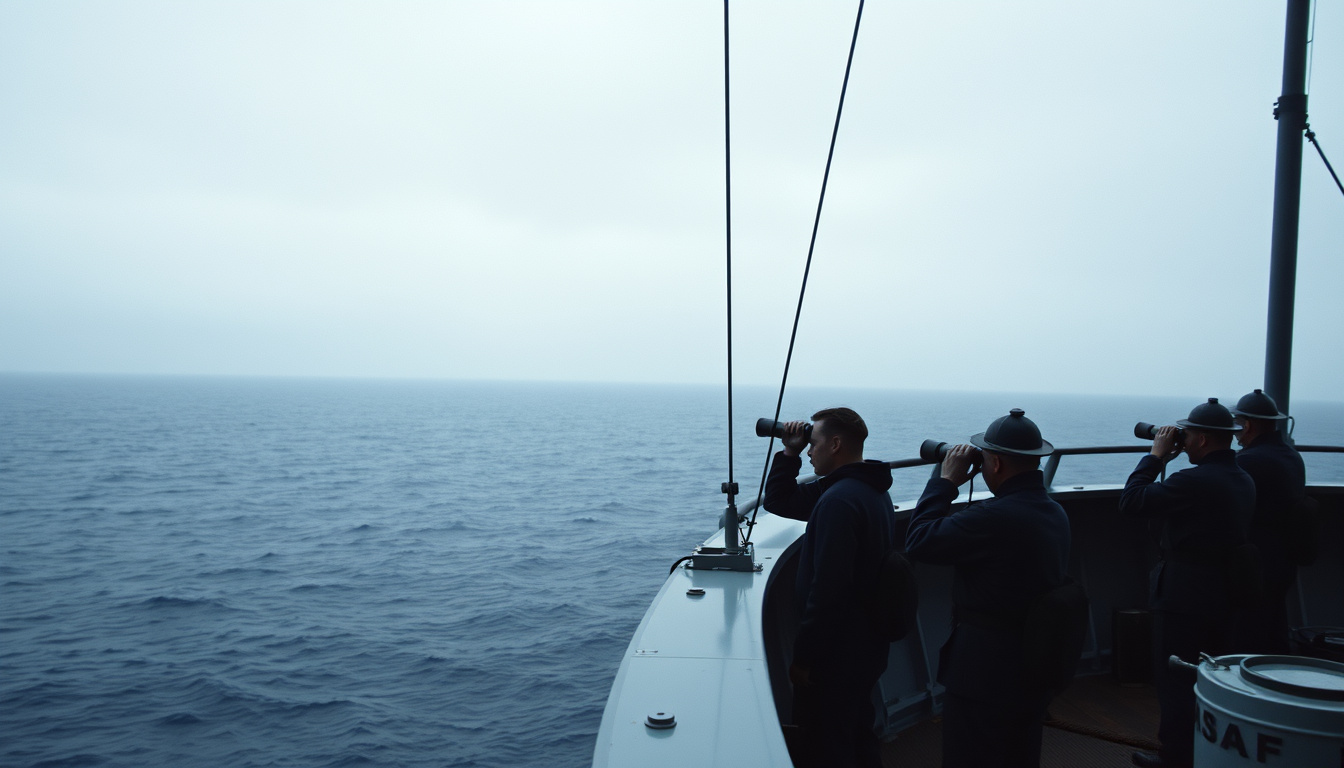
Earhart's first attempt to circle the globe ended before it began: the Electra ground-looped and was badly damaged on takeoff from Luke Field, Hawaii, in March 1937. She had the plane rebuilt and restarted the attempt from Miami in June, this time flying east with navigator Fred Noonan. By July 2, after circling most of the globe, they departed Lae, New Guinea, for tiny Howland Island — their most difficult navigational leg. That morning the Coast Guard cutter Itasca received her voice: 'We must be on you, but cannot see you. Fuel is running low.' Her last confirmed transmission came at 8:43 a.m.: a bearing line, and then nothing.
Howland Island is barely two miles long, and Earhart's radio direction-finding equipment and the Itasca's could not properly communicate on matching frequencies — a compounding technical mismatch that meant neither side could guide the other, even while in range.
Search, Myth, and the Unanswered Question
The U.S. Navy and Coast Guard conducted the largest air and sea search in history to that point, covering some 250,000 square miles at a cost of roughly $4 million, and found nothing. Earhart was declared legally dead on January 5, 1939. In the decades since, her disappearance has drawn more theories than almost any other unsolved story of the twentieth century — most aviation historians still consider a mundane crash at sea, after running out of fuel searching for Howland, by far the most likely explanation, even as scientific expeditions continue investigating alternate hypotheses into the 2020s.
A 1940 search of Nikumaroro, an island southeast of Howland, turned up bones later analyzed as possibly female and possibly Earhart's — real, physical evidence that keeps one alternate hypothesis alive without approaching proof.
Timeline
Quotes
“Flying may not be all plain sailing, but the fun of it is worth the price.”
“No borders, just horizons — only freedom.”
“I want you to understand I shall not hold you to any medieval code of faithfulness to me, nor shall I consider myself bound to you similarly.”
Myths
The Japanese captured and executed her as a spy
A popular theory holds that Earhart and Noonan were captured by Japanese forces near Saipan and executed as suspected American spies.
The theory's best-known modern evidence, a 2017 documentary photograph purportedly showing them alive in Japanese custody, was proven to have been published in a travel magazine in 1935 — two years before the disappearance. No credible physical evidence supports the capture theory.
The world flight was a secret U.S. spy mission
Some theories hold that Earhart's flight was cover for aerial reconnaissance of Japanese-held Pacific islands on behalf of the U.S. government.
No documentary evidence supports this. The flight was extensively publicized in advance, funded by Purdue University, and covered in real time by press — the opposite of how a covert reconnaissance mission would have been run.
Her fate is a total, unsolvable mystery
Popular culture generally treats Earhart's disappearance as a mystery with no likely answer at all.
Most aviation historians consider it far more likely than not that Earhart and Noonan simply ran out of fuel searching for tiny Howland Island and crashed into the Pacific — an unglamorous but well-supported explanation. A competing scientific hypothesis, that they survived briefly as castaways on Nikumaroro, remains seriously investigated but unproven.
Network
Click a name to jump to their story below.
Publisher and publicist who recruited her for the 1928 Friendship flight, proposed repeatedly until she accepted, and married her on the terms of her own letter in 1931.
Veteran Pan Am navigator who guided the 1937 world-flight attempt and disappeared alongside Earhart near Howland Island.
First Lady and close friend who took a spontaneous nighttime flight with Earhart in 1933 and was inspired to pursue her own student pilot's license.
One of the few flight instructors willing to teach a female student in 1921, launching Earhart's flying career.
Purdue University president who recruited Earhart as visiting faculty and established the fund that purchased her Lockheed Electra.
First person to fly the Atlantic solo nonstop; the press nicknamed Earhart 'Lady Lindy' after him well before she matched his feat herself.
Character
Insisted on earning it herself
Made famous as a mere passenger in 1928, she spent the next four years working until she'd actually flown the record the public had already credited her with.
Advocate for women's advancement
Co-founded the Ninety-Nines and worked as a career counselor for women at Purdue, building institutional space for women in a field that treated them as novelties.
Redefined partnership on her own terms
Her pre-wedding letter to George Putnam had no legal force at all — its power came entirely from her willingness to state her terms plainly and his choice to honor them.
Meticulous preparation behind a carefree image
The public saw a daring, spontaneous adventurer; the reality was years of paid flying lessons, mechanical study, and rehearsed routine behind every record attempt.
Restless pursuit of the next unclaimed record
She kept moving from passenger to solo Atlantic flier to Pacific solo flier to circling the entire globe, never settling once a record was secured.
Sophisticated about her own public image
Working with a publisher-husband and a fashion line bearing her name, she managed her celebrity as deliberately as she managed a cockpit.
A myth shaped more by appetite than evidence
The decades of competing disappearance theories say less about the available facts than about the public's reluctance to accept a mythic figure dying as mundanely as anyone else.