Marie Curie
She discovered two elements, won two Nobel Prizes in two different sciences, and died of the very thing she found.
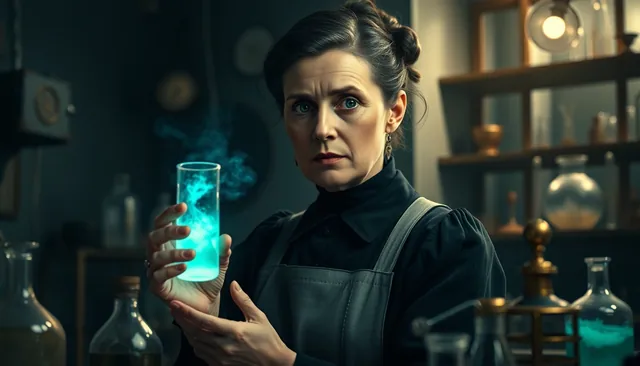
Marie Curie remade physics and chemistry from a leaky Paris shed, isolating radium and polonium by hand from tons of ore and coining the word "radioactivity" itself. Barred from her own country's universities as a woman, she became the first person in history to win a Nobel Prize in two different sciences — and the first woman to win any Nobel at all. She weathered a vicious public scandal, built a wartime X-ray corps that treated roughly a million wounded soldiers, and founded a research institute that outlived her by nearly a century. The radiation that made her famous also killed her — and her lab notebooks are still too radioactive to touch bare-handed today.
A Girl Under Occupation
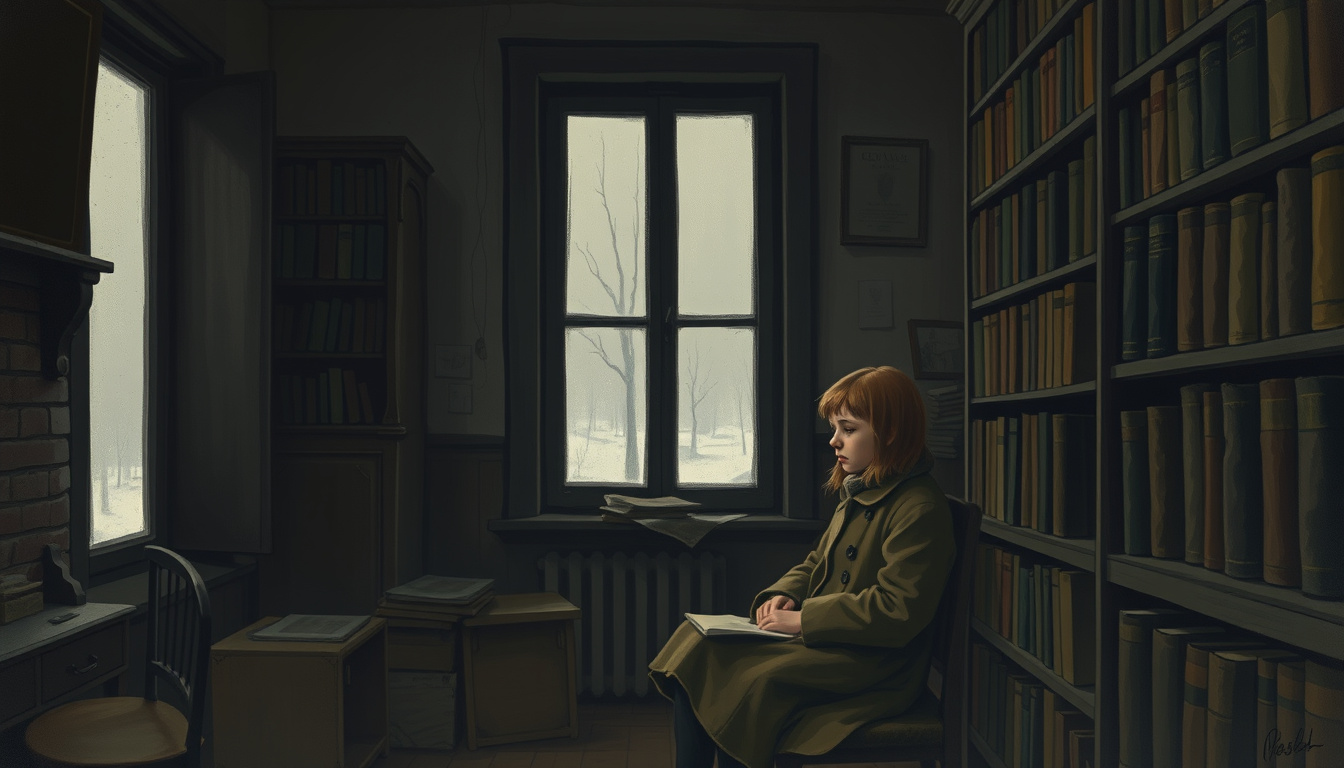
Maria Sklodowska was born in Warsaw in 1867, in Russian-controlled Poland, the youngest of five children of two teachers. Her father lost his post and savings for pro-Polish sympathies; her mother, who ran a girls' boarding school, died of tuberculosis when Maria was ten, two years after Maria's oldest sister died of typhus. Polish was policed out of classrooms in favor of Russian, and Maria — a brilliant, obsessive student — graduated top of her class at fifteen, then hit a wall: the University of Warsaw did not admit women.
Barred from university, Maria enrolled in the clandestine 'Flying University' — classes held in shifting private apartments to dodge Tsarist police, teaching banned Polish history and science to women. It trained her to treat education itself as an act of resistance, a habit she carried into every room that later tried to shut her out.
The Pact
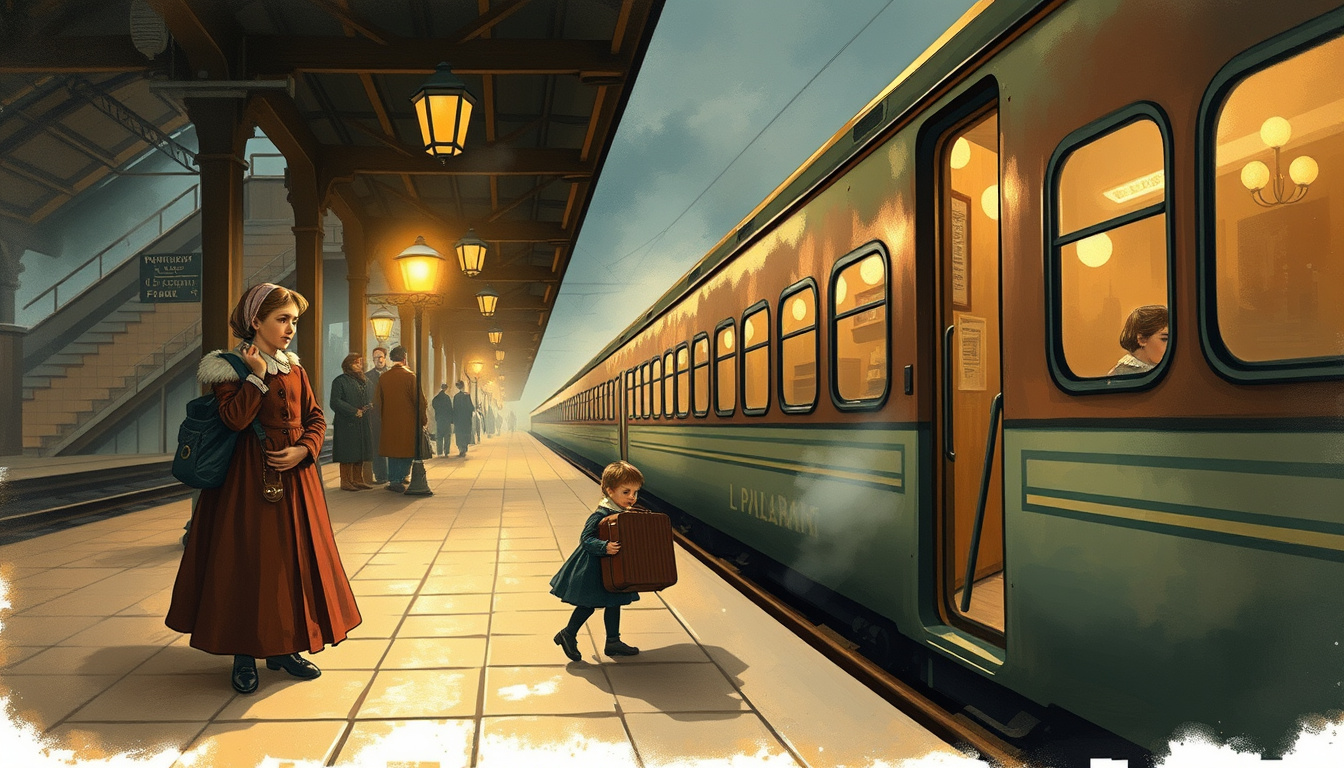
Unable to afford the Sorbonne, Maria and her older sister Bronya struck a bargain: Maria would work as a governess for years, sending money to fund Bronya's medical degree in Paris, and Bronya would later return the favor. Maria spent three years tutoring a landowner's children in the countryside — and fell into an unequal, painful romance with the family's son, forbidden by his parents because she was penniless. She kept the pact anyway, studying physics and math alone by lamplight while she waited.
The arrangement was a workaround for a system with no other door: no scholarships, no family wealth, no path to a degree for a Polish woman without capital. By financing each other in sequence rather than competing for scarce resources, the sisters converted a shared constraint into leverage neither could have generated alone.
Paris, and Pierre
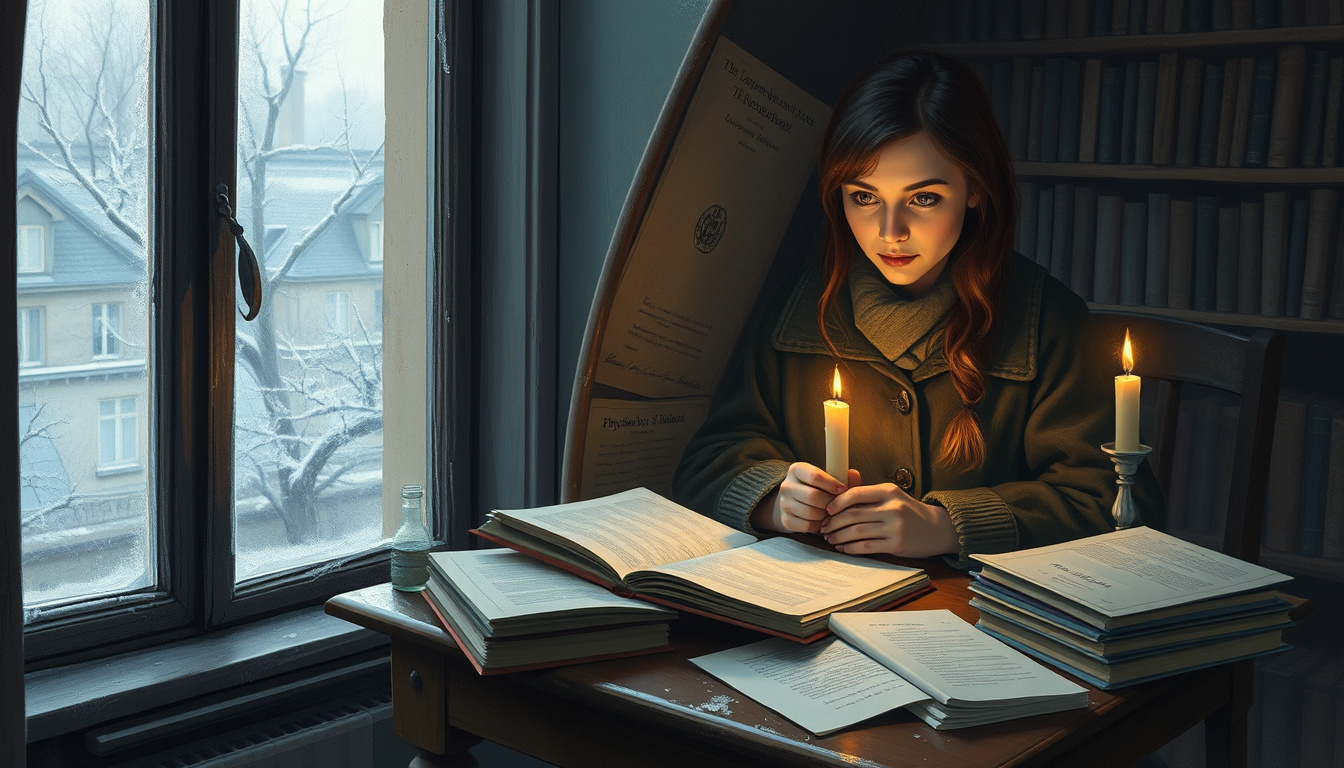
In 1891, at 24, Marie (she Frenchified her name) enrolled at the Sorbonne, living alone in an unheated garret and sometimes fainting from hunger while finishing top of her physics class in 1893 and second in math in 1894. Hunting for lab space, she was introduced to Pierre Curie, a physicist already known for his work on magnetism and piezoelectricity. He proposed almost immediately; she initially planned to return to Poland. They married in July 1895 in a civil ceremony, and Marie used a wedding gift — bicycles — for honeymoon rides through the French countryside.
Pierre offered something almost no other man of his era would: full scientific partnership rather than patronage. He restructured his own research priorities around her thesis question, effectively merging two careers into one investigation — which is why the results that followed were credited, unusually for the period, to both of them jointly.
Four Years in a Shed
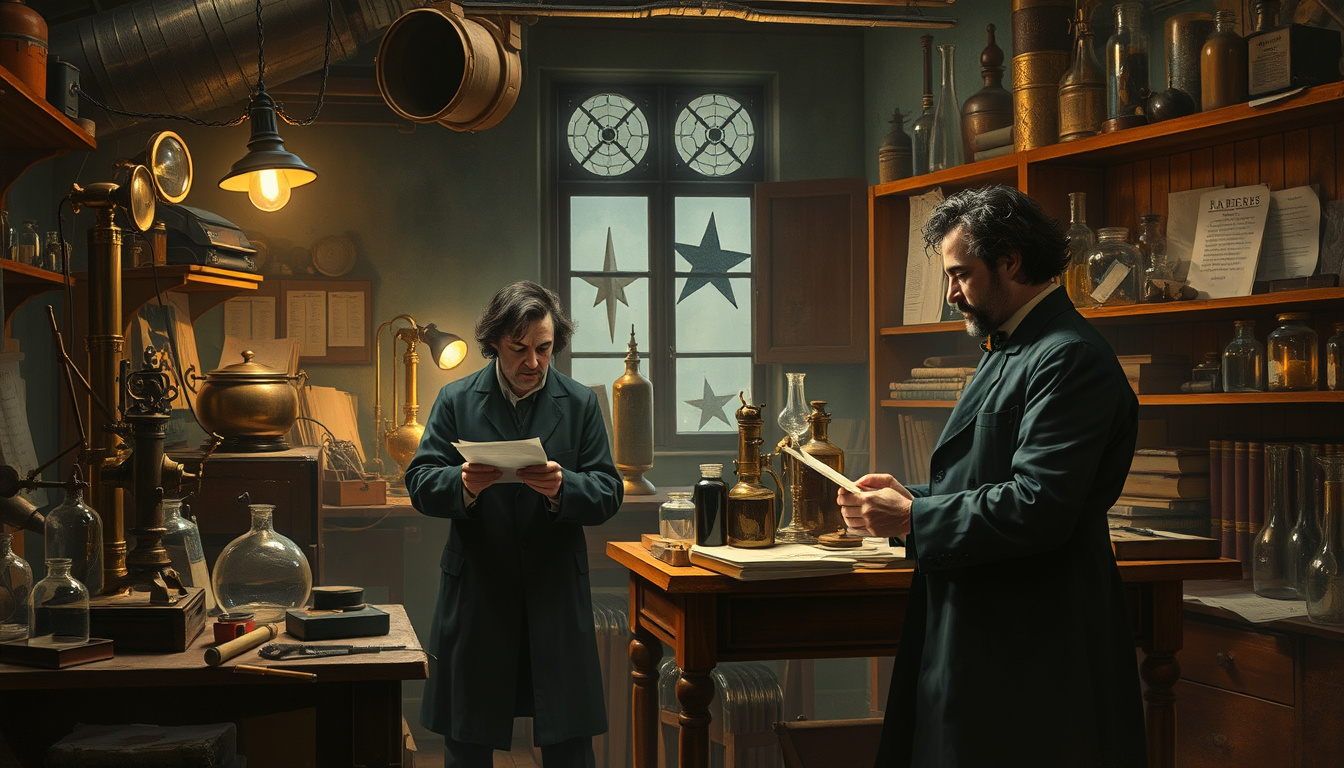
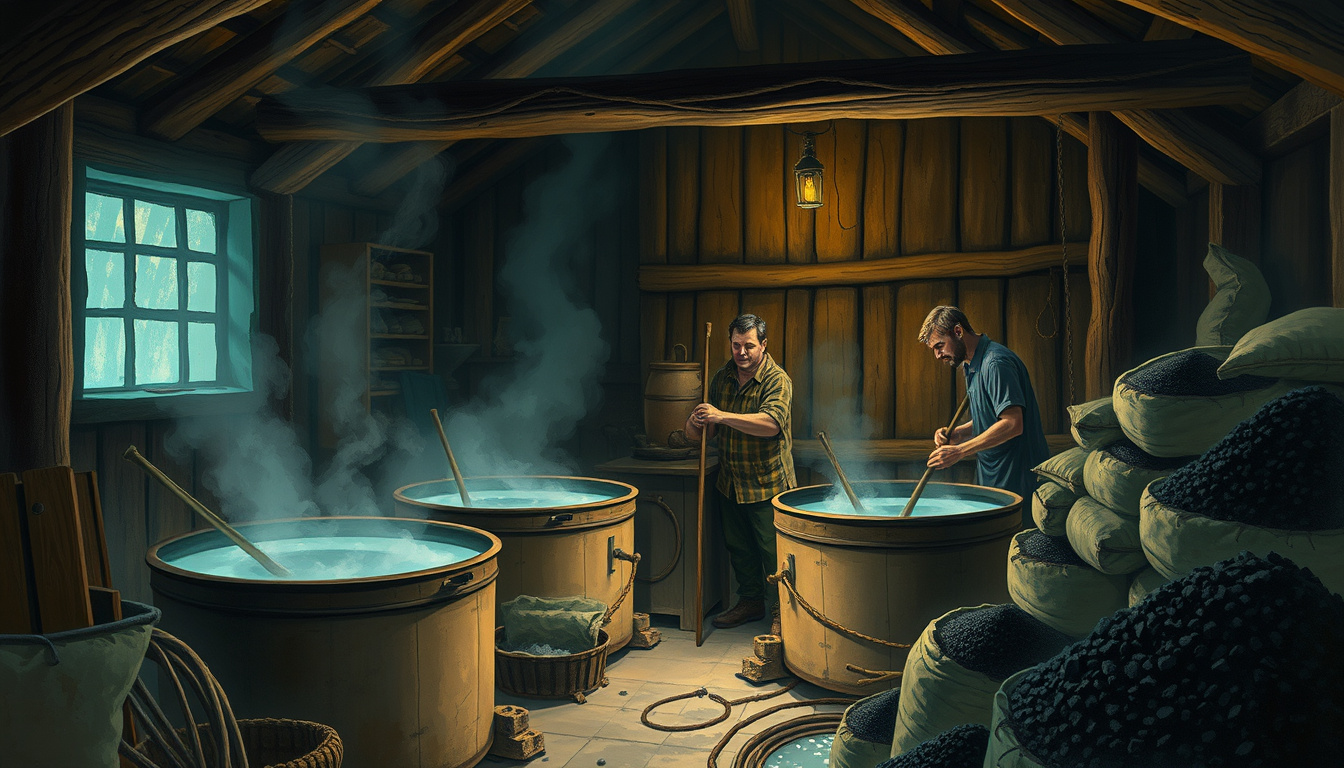
Investigating uranium ore's mysterious extra radioactivity for her thesis, Marie coined the term 'radioactivity' and, with Pierre, identified two new elements in 1898: polonium (named for her homeland) and radium. Proving radium existed as a distinct element meant physically isolating it — so the Curies spent nearly four years hand-processing about eight tons of pitchblende ore in a leaky, unheated former dissection shed with no ventilation, stirring vats with an iron rod as tall as Marie herself. In 1902 they had one-tenth of a gram of pure radium chloride.
The shed work was unglamorous and physically brutal by design: distinguishing a genuinely new element from an already-known contaminant required stripping away literally tons of chemically similar material through repeated crystallization, a process no existing lab technician had reason to attempt at that scale — so the Curies became their own industrial workforce.
Two Nobels, One Nearly Missed
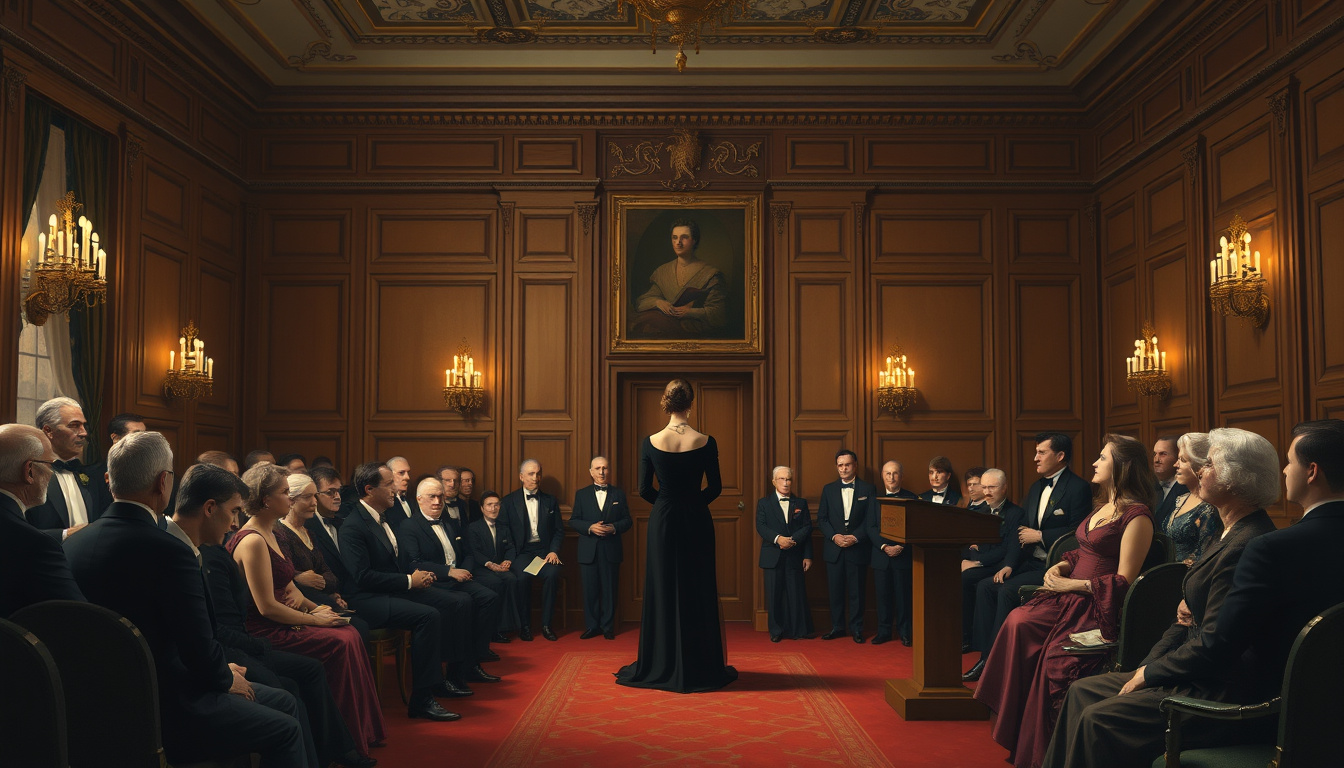
In 1903 the French Academy nominated Pierre and Henri Becquerel for the Physics Nobel, initially omitting Marie entirely; a sympathetic committee member tipped off Pierre, who insisted the prize would be a 'travesty' without her, and her name was added just before the deadline. She became the first woman Nobel laureate. Pierre was killed in April 1906, struck by a horse-drawn cart on a rain-slicked Paris street; Marie took his Sorbonne chair, becoming its first female professor. In 1911 she won a second Nobel, in Chemistry, alone this time — the first person ever to win in two different sciences.
The near-omission in 1903 wasn't a clerical slip — nomination committees of the era routinely credited husbands for joint work by default. It took Pierre's explicit written objection, not Marie's own standing, to correct it, revealing how conditional even a Curie-level breakthrough's authorship was on a man vouching for it.
The Scandal and the Snub
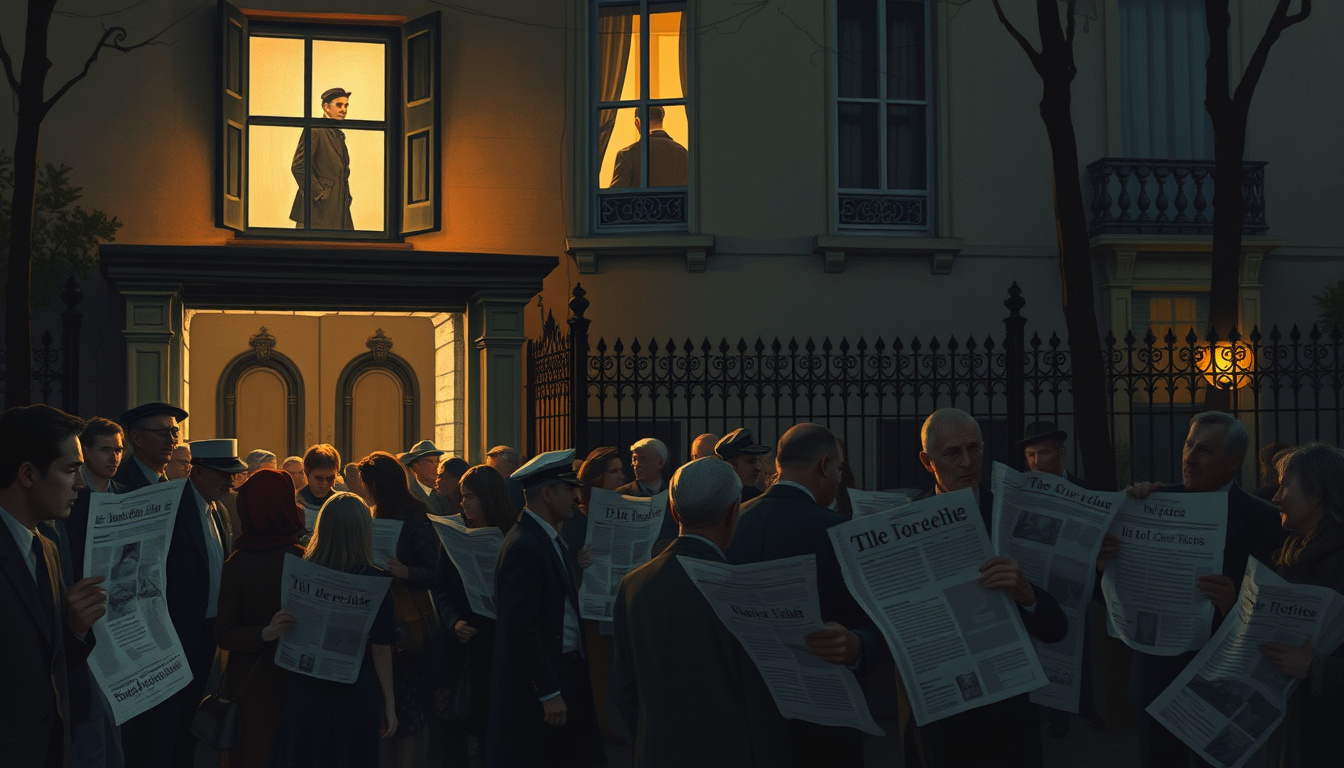
Weeks before her second Nobel, Marie — a widow for five years — was revealed to be having an affair with physicist Paul Langevin, a former student of Pierre's who was married and separated. Langevin's wife leaked their letters to the press; tabloids branded Marie a foreign home-wrecker, mobs gathered outside her house, and the Nobel committee quietly asked her not to come to Stockholm. She went anyway. Earlier that same year, in January, she had also been narrowly voted down, 28–30, for a seat in the French Academy of Sciences — a body that wouldn't admit a woman member for another half-century — in a campaign laced with xenophobic and antisemitic attacks (she was Polish and rumored, wrongly, to be Jewish).
The two humiliations shared one mechanism: French institutions were willing to award her a prize administered by a foreign body (the Swedish Academy) while refusing her domestic membership and public grace, because a prize could be framed as recognizing 'French science' abstractly, while Academy membership or public sympathy required treating her, personally, as belonging.
The Little Curies
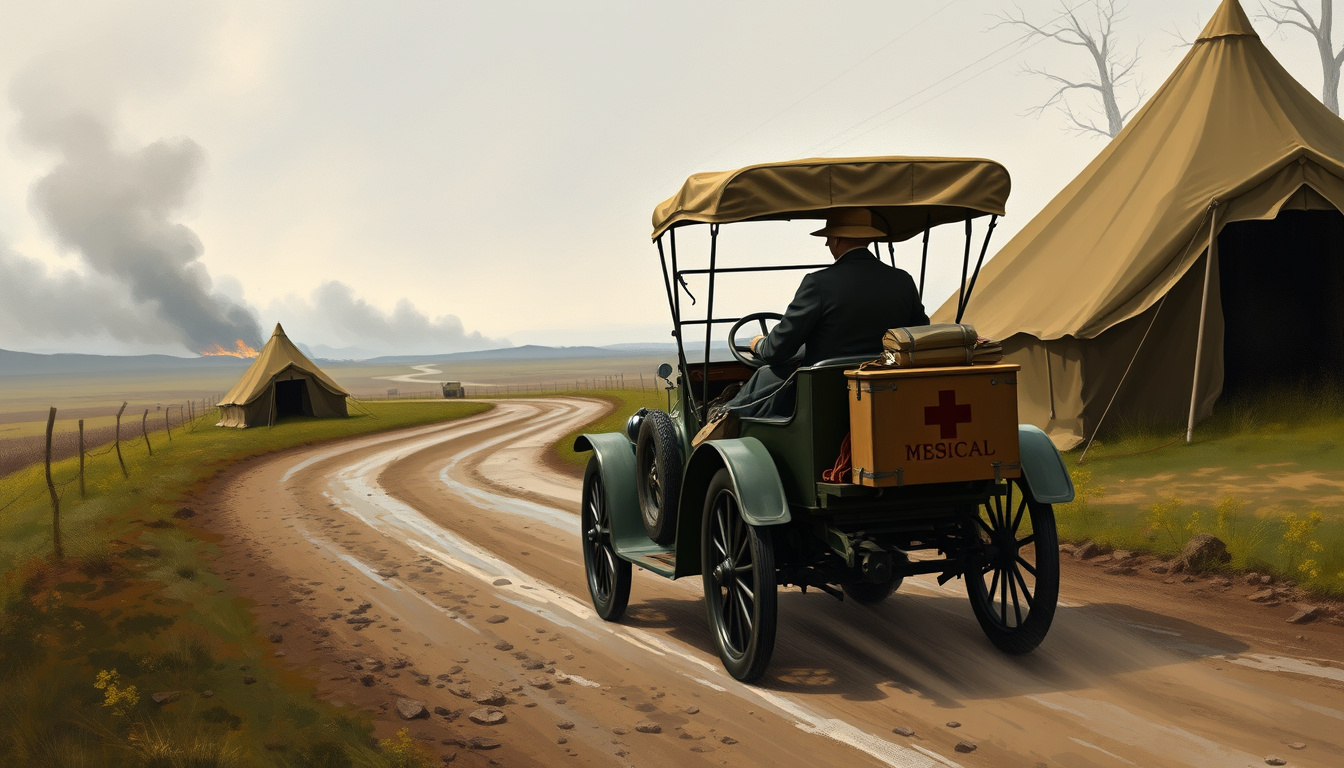
When World War I broke out, Marie converted her scientific standing into a field-medicine campaign: she begged, borrowed, and fitted out vehicles with X-ray equipment and portable generators, creating mobile radiography units French soldiers nicknamed 'petites Curies.' She personally trained roughly 150 women as X-ray technicians, drove to front-line hospitals herself with teenage daughter Irène as her assistant, and helped establish some 200 additional radiological posts. The units are credited with helping doctors locate bullets and shrapnel in an estimated one million wounded soldiers.
Curie exploited a gap the military hadn't planned for: X-ray machines existed but were bolted to hospital walls far from the front, where wound infection set in during transport. By making the machine mobile instead of the patient, she collapsed diagnosis time from days to hours — at real, then-unrecognized, radiation cost to herself and her trainees.
The Radium Institute
After the war, Marie devoted herself to running the Institut du Radium (now Institut Curie), which she'd helped found in 1914 and which became a research and cancer-treatment powerhouse employing more than forty women scientists — nearly unheard of anywhere at the time. In 1921, journalist Marie Meloney organized an American fundraising tour; women across the US donated $100,000 so President Harding could hand Curie a symbolic gram of radium at the White House, since she'd never patented her extraction process and couldn't otherwise afford it. Her daughter Irène, trained at her side, would win her own Nobel in Chemistry in 1935.
By deliberately refusing to patent the radium-purification process — she and Pierre considered it 'contrary to the scientific spirit' — the Curies let American companies commercialize radium freely, which drove prices up so high that Marie herself later had to fundraise abroad to afford the element she'd discovered.
The Slow Poison
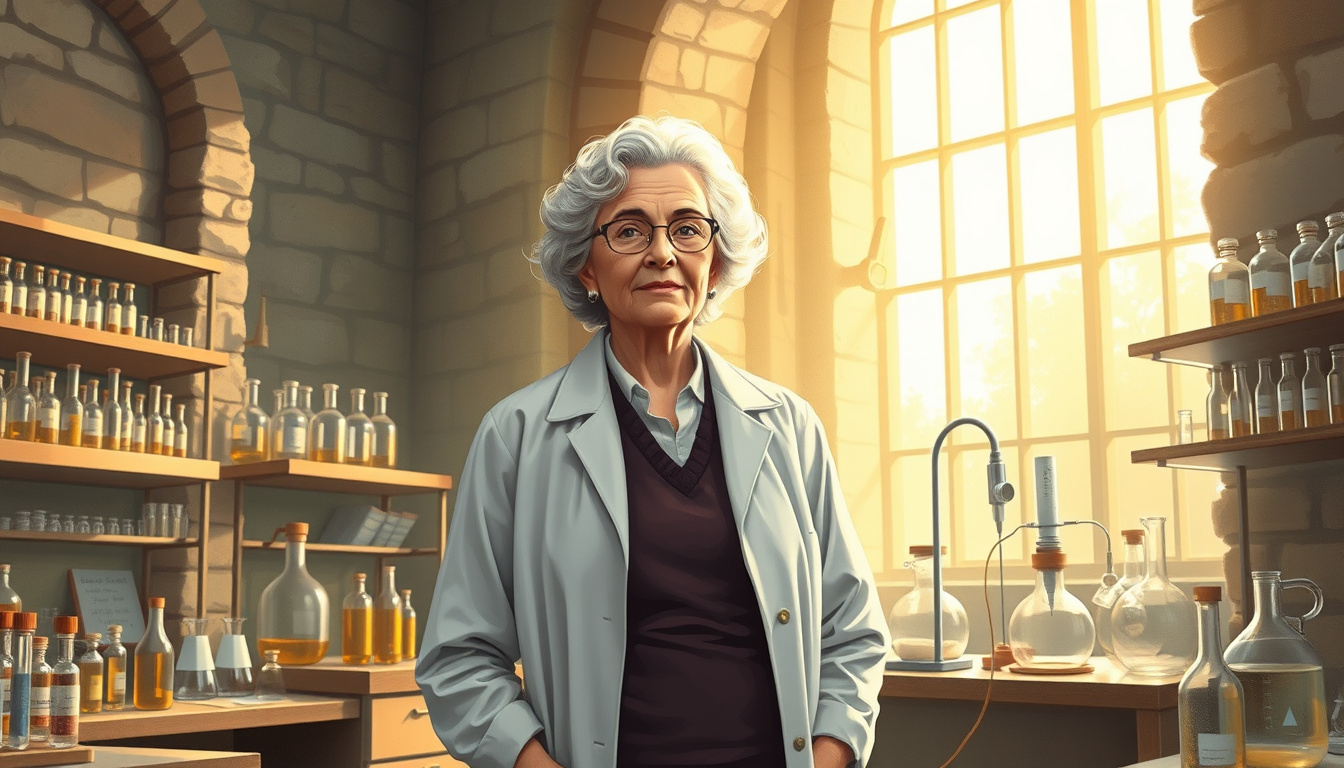
Marie Curie died on July 4, 1934, at the Sancellemoz sanatorium in Passy, France, of aplastic anemia — bone marrow failure almost certainly caused by decades of unshielded exposure to radium and X-rays, carrying test tubes in her pockets and keeping glowing vials by her bed for their beauty. She was buried beside Pierre in a lead-lined coffin. In 1995 both were reinterred at the Panthéon in Paris, making her the first woman honored there for her own achievements. Her laboratory notebooks from 1899–1902 remain radioactive today and are kept in lead-lined boxes at the Bibliothèque Nationale; researchers who want to consult them must sign a liability waiver and wear protective gear.
Radium-226 has a half-life of about 1,600 years, meaning the notebooks Marie filled by candlelight in a leaky shed will still be measurably radioactive well into the fourth millennium — the physical record of her breakthrough is, by the nature of what she discovered, one of the most durable hazards she ever created.
Timeline
Quotes
“If the rabble continues to occupy itself with you, then simply don't read that hogwash, but rather leave it to the reptile for whom it has been fabricated.”
“One never notices what has been done; one can only see what remains to be done.”
“Be less curious about people and more curious about ideas.”
“I would wish for a gram of radium to facilitate my research.”
Myths
The Patent She Never Filed
Marie Curie selflessly refused to patent radium purification purely out of personal scientific idealism.
The decision not to patent was real and jointly made with Pierre — but under French law of the period, Marie, as a woman, likely could not have filed the patent herself even had they wanted to; it was Pierre who held that legal standing. The 'humanity over profit' framing is accurate to their stated philosophy, but the pure-individual-sacrifice version erases the legal constraint she was also operating under.
The Glow Was a Harmless Marvel
The Curies' famous habit of keeping glowing radium vials by their bedside is remembered as a charming, purely wondrous anecdote.
It happened almost exactly as told — Marie wrote of the 'faint, fairy lights' herself — but it was also a real and understood-in-hindsight mechanism of the radiation exposure that later killed her; contemporary retellings often drop the causal link entirely.
A Universally Beloved National Heroine
Marie Curie is remembered as having been embraced by France throughout her career as a beloved genius.
France's institutions were often hostile to her in real time: the French Academy of Sciences voted her down for membership in 1911, and the same year, xenophobic and antisemitic press attacks (falsely branding her Jewish and 'foreign') nearly drove her from the country during the Langevin affair. National reverence largely came later, culminating in her 1995 Panthéon reinterment.
A Solo Genius
Radium and polonium are sometimes remembered as Marie Curie's solo discoveries, with Pierre as a supporting figure.
The 1898 discoveries of both elements were joint work explicitly credited to both Curies in the original papers; Pierre reoriented his own research program to work alongside her, and the 1903 Nobel was jointly awarded to both (plus Becquerel) — only her second, 1911 Chemistry Nobel was hers alone.
Network
Click a name to jump to their story below.
French physicist who became her scientific co-investigator and husband in 1895; they discovered polonium and radium together and shared the 1903 Nobel Prize in Physics before his death in a 1906 street accident.
Trained by Marie from childhood, assisted her running WWI mobile X-ray units as a teenager, later worked at the Radium Institute, and won her own 1935 Nobel Prize in Chemistry with husband Frédéric Joliot.
Struck a mutual-support pact with Marie in their youth — Marie funded Bronya's Paris medical degree first, then Bronya hosted and helped fund Marie's own Sorbonne studies.
A former doctoral student of Pierre's and fellow physicist; his affair with the widowed Marie, exposed by his estranged wife in 1911, triggered a national scandal that nearly derailed her second Nobel Prize.
His 1896 discovery that uranium salts emitted penetrating rays without an external energy source was the direct starting point for Marie's doctoral research; the three shared the 1903 Physics Nobel.
Met her at the 1911 Solvay Conference and, during the Langevin scandal, wrote her a letter of support urging her to ignore 'the reptile press'; the two remained lifelong correspondents and allies.
American editor who interviewed Curie in 1920, then organized a US women's fundraising campaign that bought her a gram of radium and arranged her celebrated 1921 White House visit.
A physics and math teacher who lost his post for Polish nationalist sympathies; he tutored Marie at home and instilled her early love of science despite the family's financial hardship.
Character
Obsessive Focus
Coped with her mother's death at age ten by burying herself in books for days at a time; that same total-immersion pattern later let her spend four years hand-processing eight tons of pitchblende in a shed without pause.
Institutionally Stubborn
After being barred from the University of Warsaw for being a woman, she studied in secret 'Flying University' classes; after the French Academy of Sciences voted her down in 1911, she kept working in the same city and later founded her own research institute.
Defiant Under Public Attack
When the Nobel committee quietly asked her to skip the 1911 Stockholm ceremony during the Langevin scandal, she attended anyway and delivered her lecture as planned.
Physically Fearless with Danger She Didn't Yet Understand
Carried unshielded radium samples in her pockets and kept glowing vials on her nightstand for their beauty, without the era's scientific understanding that this exposure would eventually kill her.
Anti-Commercial by Principle
Deliberately chose not to patent the radium-extraction process she and Pierre developed, calling it against the scientific spirit — a choice that later left her unable to personally afford the element she'd discovered.
Reserved and Private
Described by contemporaries as quiet and undemonstrative in public, she once deflected a personal-interview request from a journalist by telling him to be curious about ideas instead of people.
A Builder, Not Just a Discoverer
Beyond the 1898 discoveries, she personally organized, funded, and staffed a fleet of mobile X-ray units in WWI and then built the Institut du Radium into an institution employing more than forty women scientists.
Intergenerational Mentor
Trained her teenage daughter Irène as a wartime X-ray technician and later as a lab collaborator; Irène went on to win her own Nobel Prize in 1935, extending the Curie scientific line directly.
Have a question this chapter didn\u2019t answer? Ask the archive \u2014 answered live, checked against the same research as the story above.