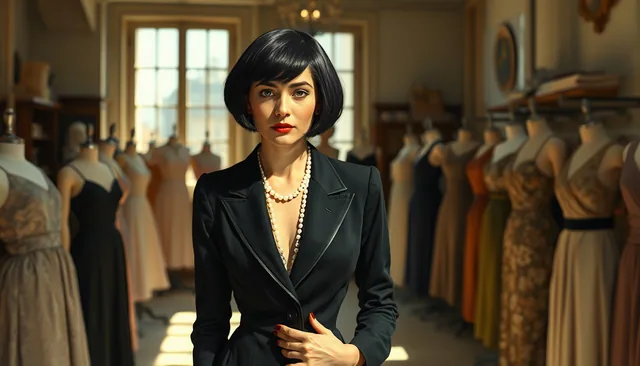
Coco Chanel
A washerwoman's daughter who was dumped in a Catholic orphanage at eleven -- and grew up to dress the twentieth century, freeing women from the corset while, decades later, cozying up to the men who occupied her country.
Coco Chanel rebuilt herself from nothing: born in a poorhouse, orphaned into a convent at eleven, singing in cafés for coins before becoming a kept woman, then a milliner, then the most influential couturière of the twentieth century. She stripped the corset, put black into eveningwear, dressed women in jersey knit and trousers, and bottled Chanel No. 5 into the best-selling perfume ever made. She was also, undeniably, an occupation-era collaborator -- lover to a Nazi intelligence officer, registered as an Abwehr informant, and the instigator of a scheme to seize her own perfume company from its Jewish co-owners under Nazi race law. Interrogated but never tried after Liberation, she fled to Switzerland, then staged one of fashion's great second acts at seventy, dying in harness at the Ritz at 87. Her house, codes, and myth all outlived her -- deliberately, by her own design.
Born in a Poorhouse
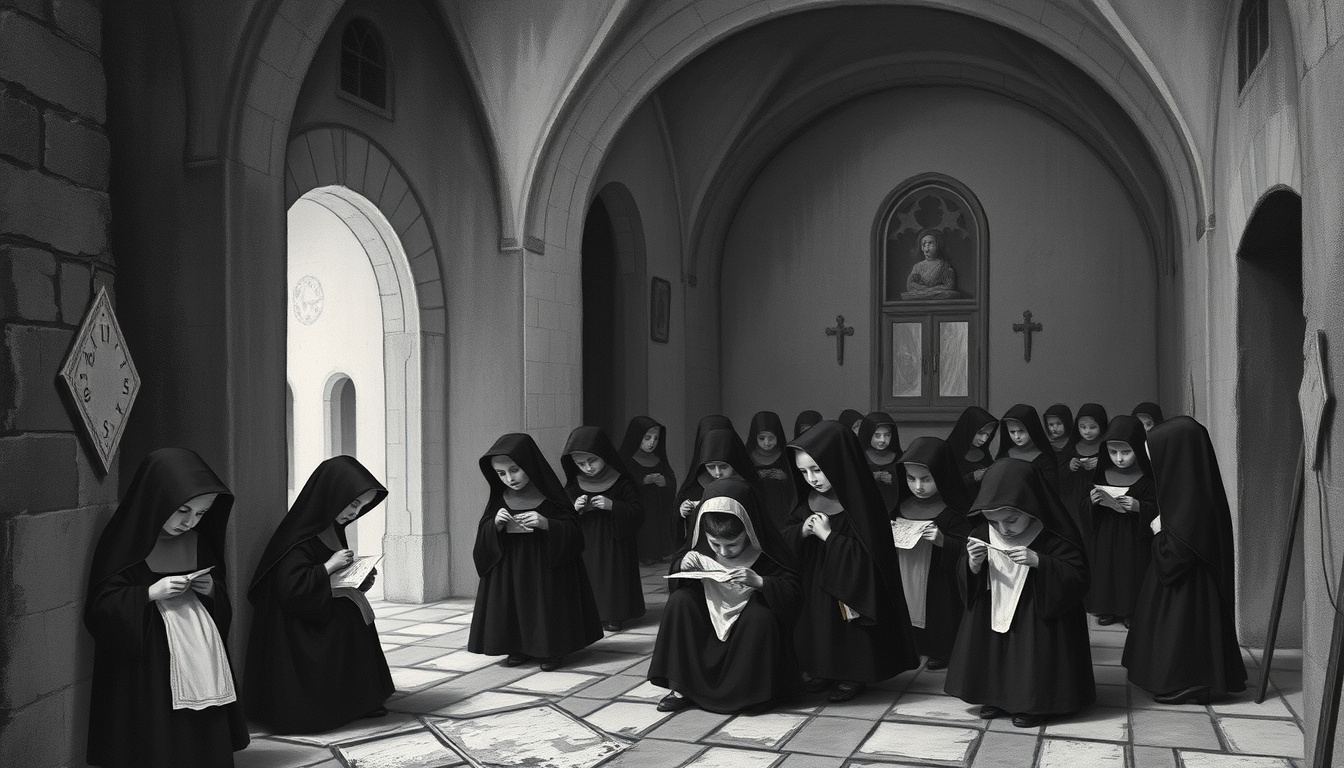
Gabrielle Chanel was born August 19, 1883, in a poorhouse hospice in Saumur, the second of five children to an itinerant market peddler and a laundrywoman who worked herself to exhaustion following him from town to town. In 1895 her mother died of bronchitis at 32. Her father, never reliable, dropped his three daughters at the Aubazine orphanage run by Catholic nuns and vanished — the sons were sent to work farms. Gabrielle was eleven. She would spend six years in the convent's austere, black-and-white world of numbered routine and needlework before three more at a finishing school in Moulins.
Aubazine's severe geometry — mono-tone habits, quilted bedspreads, a rose-window's interlocking circles — later resurfaced almost unaltered in Chanel's design vocabulary: the black-and-white palette, the quilting on the 2.55 bag, even the interlocking-C logo have been traced by design historians to motifs stitched into her memory at the orphanage she spent decades denying she'd ever lived in.
Coco Is Born
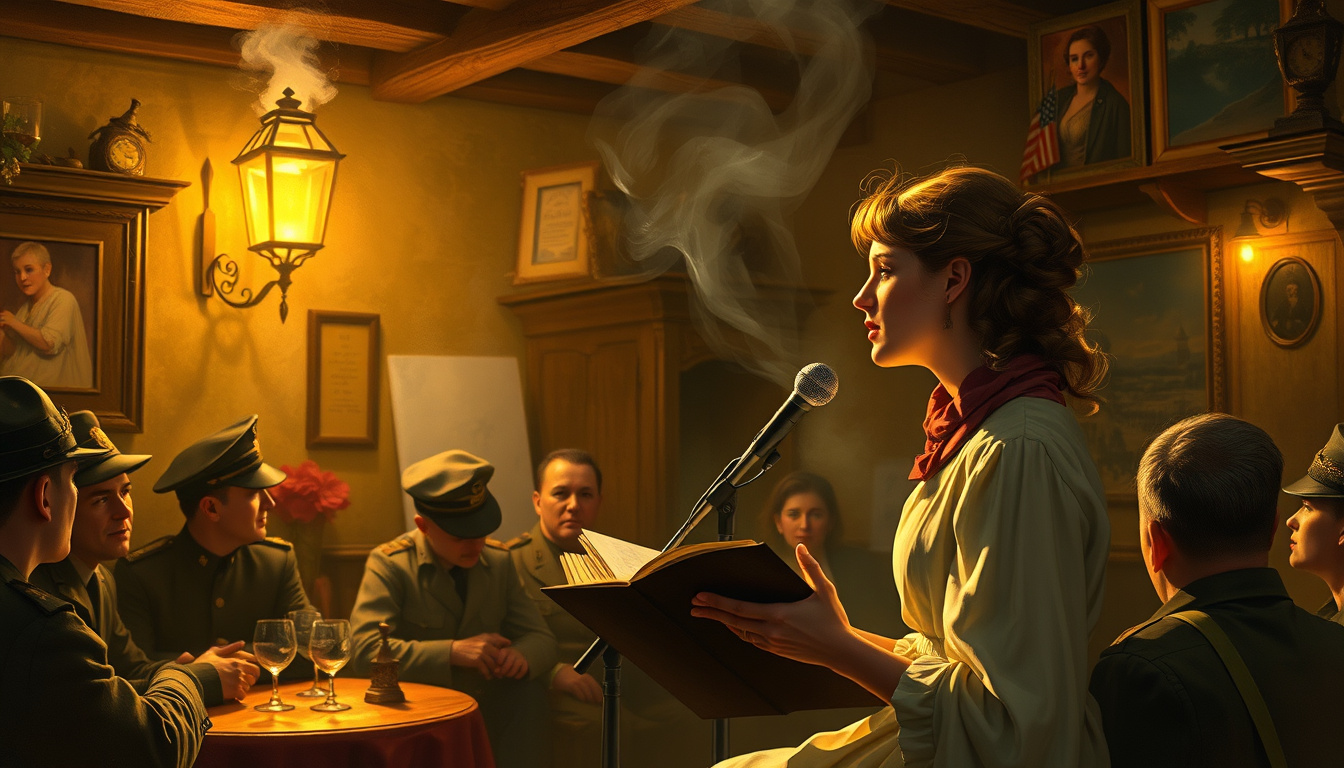
At Moulins Gabrielle moonlighted as a cabaret singer, performing a novelty tune called "Qui qu'a vu Coco?" so often that the nickname "Coco" stuck for life. Lacking real prospects as a performer, she became the mistress of a young textile heir, Étienne Balsan, living at his estate outside Paris among horses, hunts, and his circle of actresses and society women. There she met Arthur "Boy" Capel, a wealthy English polo player, who became her lover, financial backer, and — by most accounts — the one man she genuinely loved.
The demimonde Chanel entered wasn't respectable, but it was a functioning economy: wealthy men bankrolled the mistresses who entertained them, and those women often parlayed the arrangement into independent means. Chanel used it exactly that way — as capital and connections, not a destination — turning Balsan's circle into her first customers and Capel's money into her first shop.
The Hat Shop Gambit
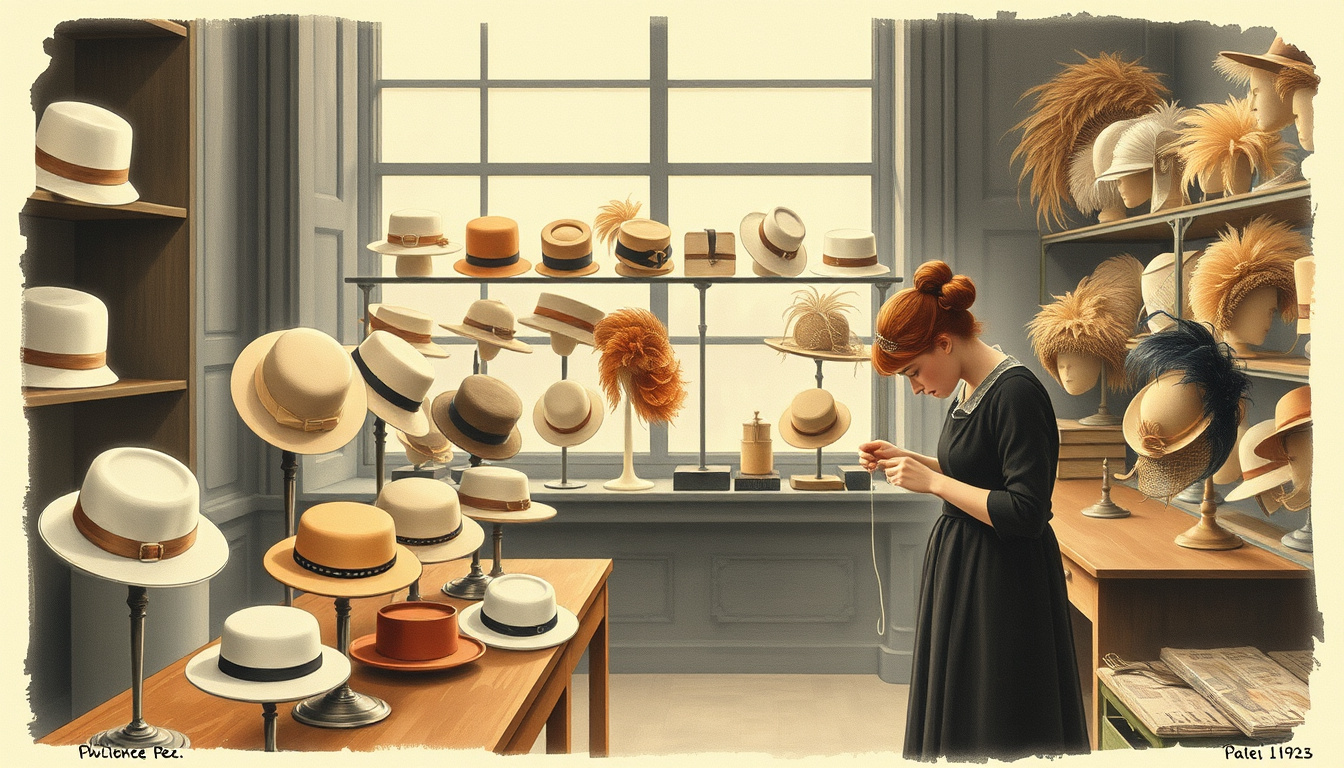
In 1910, Capel financed a millinery boutique at 21 rue Cambon, Paris — "Chanel Modes." Her stark, unadorned hats stood out against the era's overloaded plumage. In 1913 the couple expanded to a Deauville boutique selling loose, sporty jersey clothing borrowed from menswear; a 1916 fabric shortage during WWI, when wool was requisitioned for uniforms, pushed her toward jersey knit — then used only for underwear — as her signature fabric. By 1919 she had repaid Capel and registered as a couturière in her own right; Capel was killed in a car crash that December, a loss she called the greatest of her life.
Chanel's edge wasn't invention from nothing — it was scarcity turned into style. Corseted silhouettes were becoming impractical as women worked and moved more during the war; cheap, stretchy jersey was simply what the fabric shops had left. She read the shortage as an opportunity and made drab, discounted material into a luxury signature, a pattern she'd repeat for the rest of her career.
The Little Black Ford
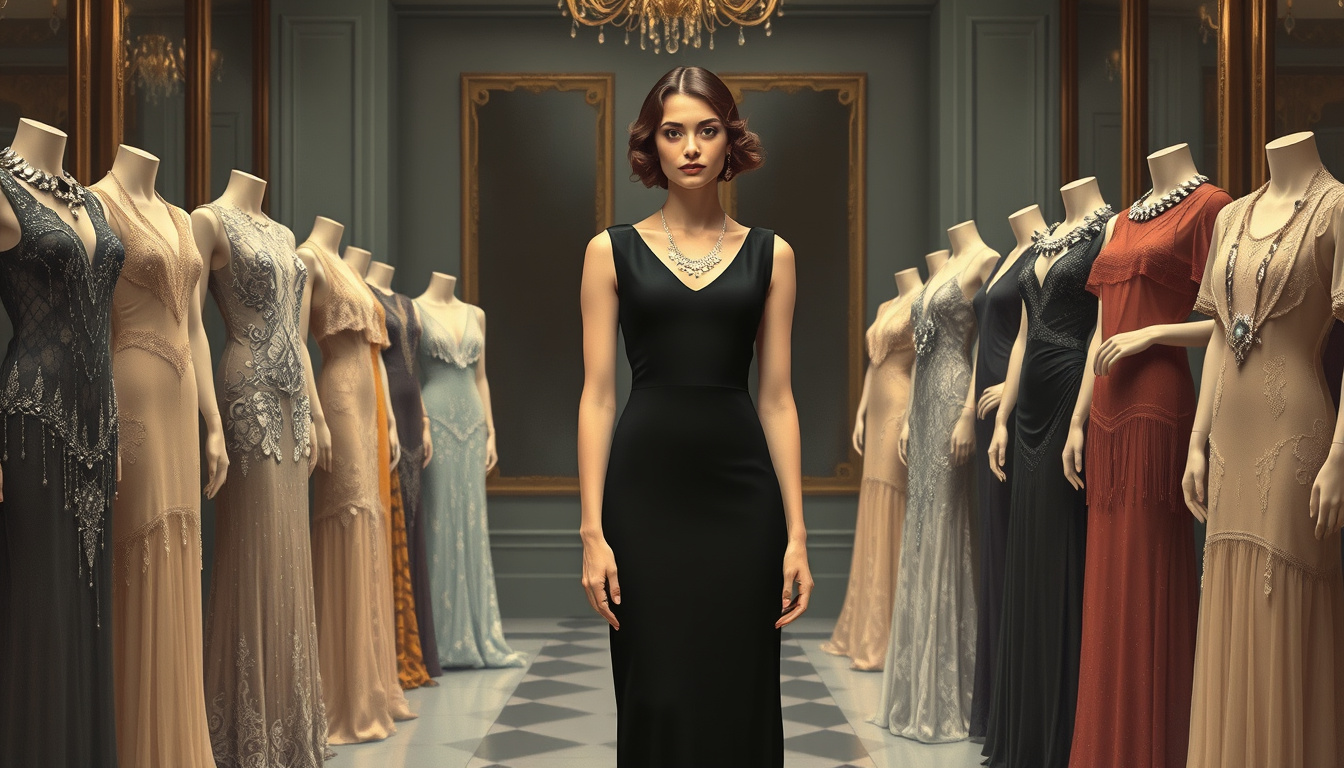
By the 1920s Chanel had built a fashion house dressing Europe's elite, and in October 1926 American Vogue put her simple black crêpe de chine sheath on its cover, dubbing it "Chanel's Ford" — a Model T for the wardrobe, plain, accessible, endlessly reproducible. Black had signified mourning; Chanel stripped it of grief and reissued it as elegance. Alongside it she popularized costume jewelry, the cardigan-style suit, trousers for women, and pared-back tailoring that dismantled the corseted, over-ornamented silhouette that had dominated women's fashion for a century.
Vogue's "Ford" comparison was the real mechanism: like Henry Ford's assembly line, the dress was designed to be endlessly copyable at any price point, so its power came from ubiquity rather than exclusivity — the opposite of how couture had always sold status, and the reason it never went out of fashion.
Bottling No. 5
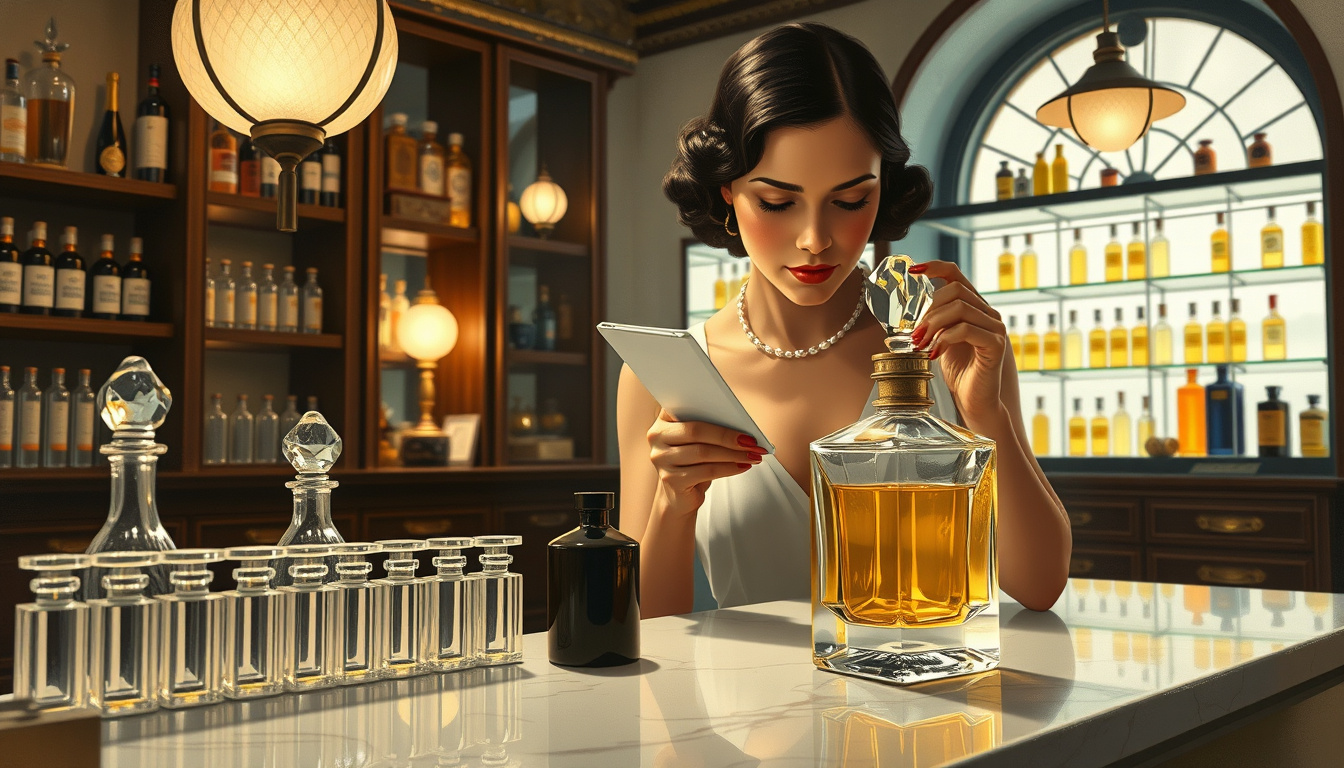
In 1921 Chanel commissioned perfumer Ernest Beaux, who presented sample vials numbered 1 through 5 and 20 through 24; she chose the fifth, a synthetic-aldehyde departure from the single-flower scents then in fashion, and named it for her lucky number. In 1924 she partnered with brothers Pierre and Paul Wertheimer to mass-produce and distribute it as Parfums Chanel: they put up the financing for 70 percent of the company, a friend held 20 percent, and Chanel kept just 10 — a deal that made her immensely wealthy but left her, by her own furious accounting, chronically underpaid for the product that bore her name. She spent years afterward trying to claw back a bigger share, without success, until a 1947 postwar settlement finally sweetened her terms considerably.
The Wertheimers structured the deal so the marketing machine and factories they funded, not the formula itself, captured most of the value — a licensing arrangement Chanel signed while still a relatively unknown couturière and spent the rest of her life trying to unwind, including, catastrophically, during the German occupation.
The Ritz and the Reich
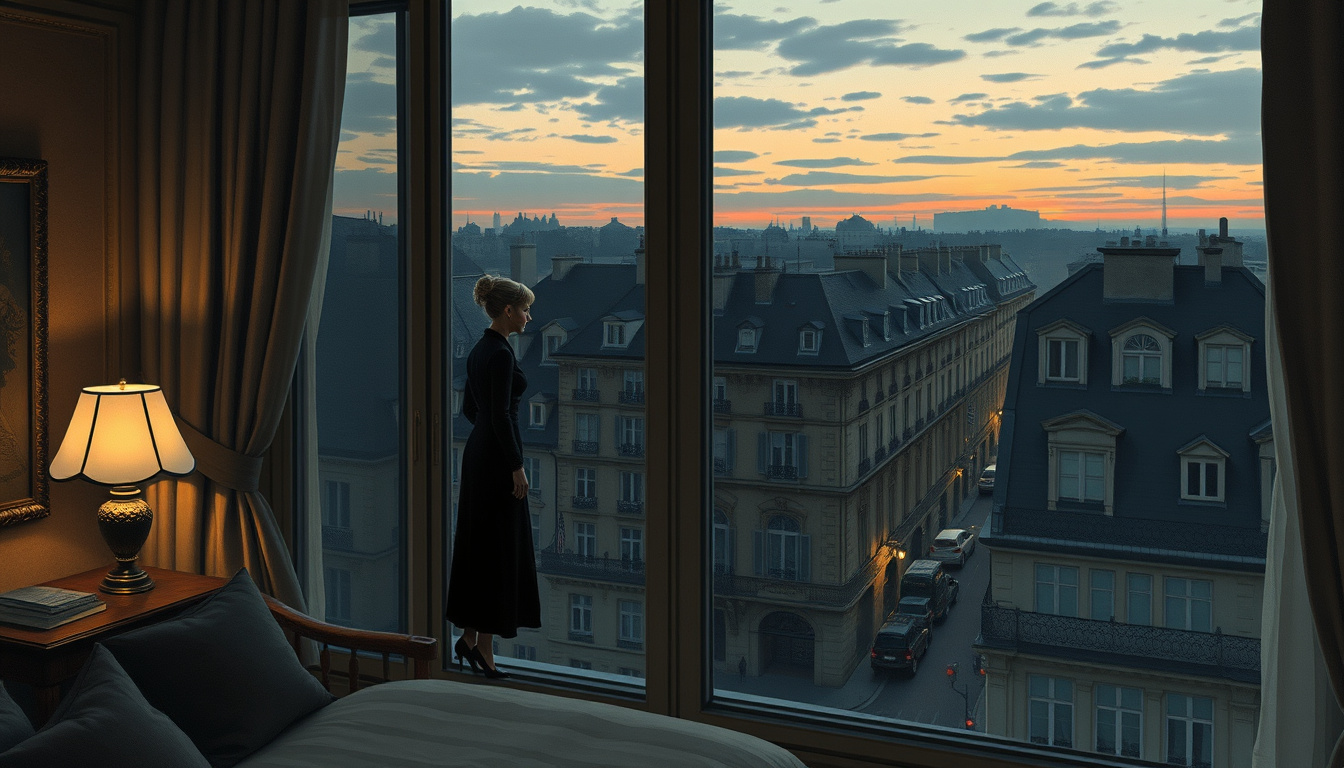
Chanel had already closed her fashion house in 1939 at the outbreak of war — citing wartime hardship, though it also let her avoid employing the seamstresses who'd struck against her in 1936 — and when Germany occupied Paris the following year she moved into the Hôtel Ritz, then partly requisitioned as German officer housing. She began a relationship with Baron Hans Günther von Dincklage, a Wehrmacht/Abwehr intelligence officer, and by 1941 was registered by German intelligence as agent "F-7124," code name "Westminster." That year, invoking Nazi "Aryanization" laws targeting Jewish-owned property, she petitioned to strip her Jewish partners, the Wertheimer brothers, of Parfums Chanel — but the Wertheimers had already transferred nominal control to a Christian associate, Félix Amiot, and the scheme collapsed. In 1943 she traveled to Madrid on a bungled Nazi diplomatic gambit, Operation Modellhut, meant to pass peace-feeler messages to Churchill.
Chanel's occupation-era maneuvering worked because she treated the Reich's racial bureaucracy as just another set of levers to pull for a business dispute she'd been losing since 1924 — using Aryanization law as a legal shortcut around a contract she couldn't beat in French courts, a use of genocidal policy for personal commercial gain that historians still treat as the darkest single episode of her life.

Exile and Silence
After Paris was liberated in August 1944, Chanel was detained and questioned by the Free French purge committee on suspicion of collaboration; lacking documented proof, they released her within hours. She stayed on in Paris for several months before decamping for Switzerland in 1945, reportedly telling her family Churchill himself had intervened to protect her — a claim never fully documented but consistent with British reluctance to have her wartime contacts, including society and government figures, aired in open court. She stayed largely out of the fashion world for the next decade and a half, her house shuttered, her name fading from an industry now led by Christian Dior's New Look.
Wartime records on Chanel were unusually thin not because she did little, but because intelligence services on both sides had reasons to keep her file closed — the Germans to protect a source, the British and French to avoid exposing whom else she'd been talking to — which is why her exact culpability is still argued by historians rather than settled by a paper trail.
The Comeback
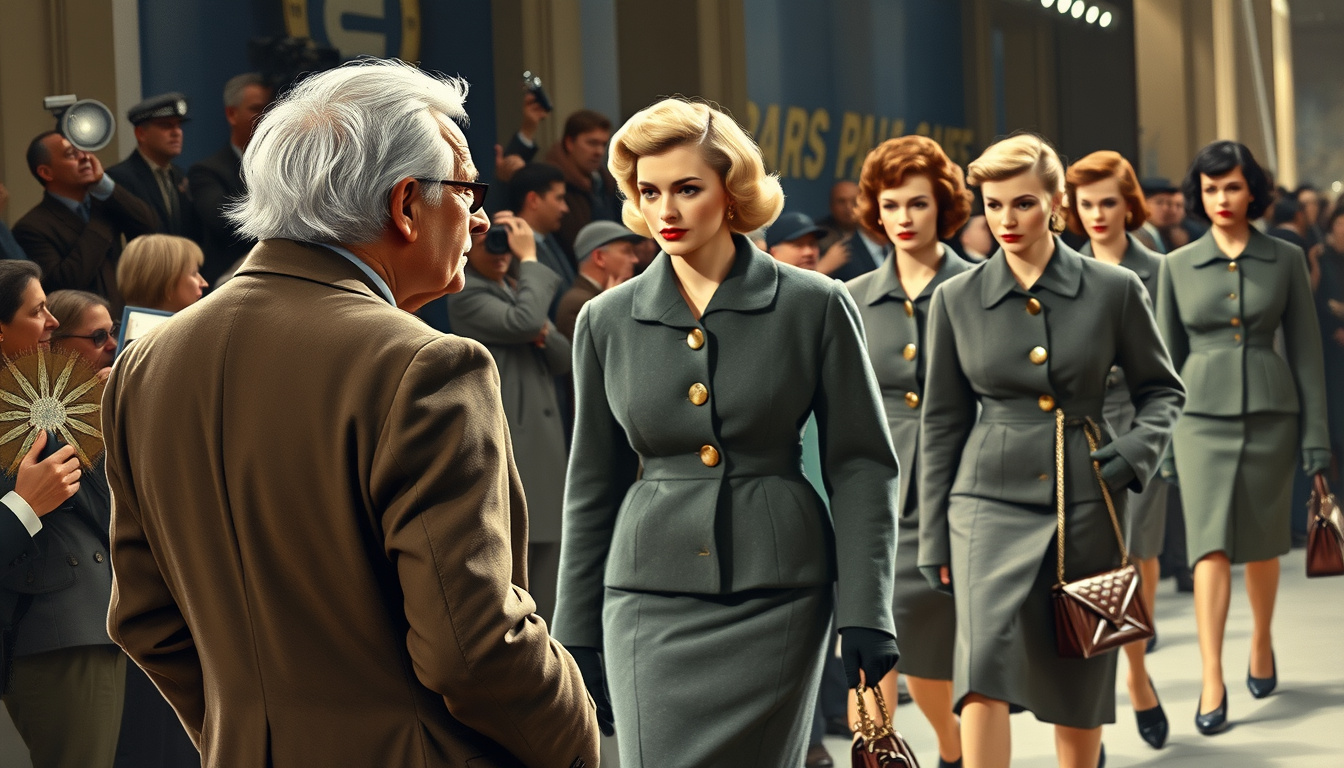
In 1954, at age 70 and bankrolled partly by Pierre Wertheimer — who needed her name to fend off perfume counterfeiters and by then controlled the whole enterprise — Chanel restaged a comeback collection in Paris. French critics greeted it with cold silence, dismissing it as dated. American editors, led by Elle's Hélène Gordon-Lazareff and Life magazine, saw something else: soft tweed suits, gilt buttons, quilted bags on chain straps — clothes built for movement, not spectacle. Within a year sales reversed the verdict; by 1957 Chanel was again fashion's most influential name, running the house until her death.
The transatlantic split in reception wasn't taste, it was memory: Paris still associated Chanel with occupation-era scandal and pre-war irrelevance, while American buyers, without that baggage, judged the clothes purely as clothes — practical, wearable suits arriving just as postwar women re-entered offices and public life.
Buttons to the End
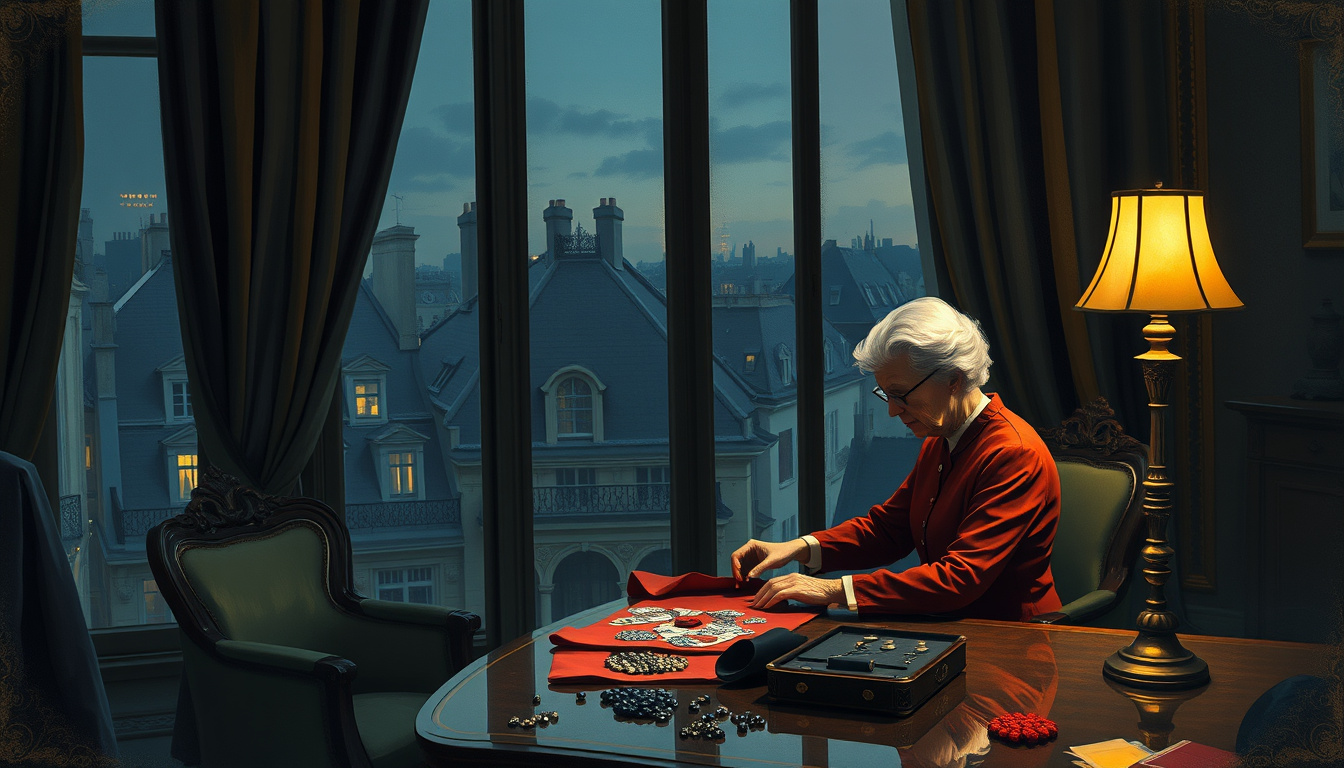
Chanel worked until literally her last day: staff recalled her at rue Cambon on January 9, 1971, checking fabric and inspecting buttons for an upcoming show. She died the next afternoon, January 10, in her suite at the Hôtel Ritz Paris, where she had lived for over three decades; she was 87. Her final collection was shown, as planned, two weeks later. She left the House of Chanel — and majority ownership had long since passed to the Wertheimer family, who still control it — as a name bigger than any one designer, later reinvented for 36 years by Karl Lagerfeld and carried forward through subsequent creative directors.
Chanel's insistence on working to the literal end wasn't just stamina — it completed the persona she'd spent sixty years building: a woman who had erased her poorhouse birth and orphanage years by sheer force of self-narration, dying not as an aging recluse but as the still-working, still-relevant Mademoiselle, the version of her story she'd always intended to leave behind.
Timeline
Quotes
“You see, this is how you die.”
“Elegance is refusal.”
“Fashion changes, but style endures.”
“I don't do fashion. I am fashion.”
Myths
"The Orphan Who Had No One"
Chanel is often portrayed as a total orphan abandoned by both parents with no family left, a Dickensian waif with nothing.
Her mother did die when she was eleven and her father did leave her at a convent orphanage -- but she had siblings and an aunt's household nearby, and some accounts describe periods with relatives interwoven with convent years. Chanel herself heavily edited the story, at times claiming her parents were dead when her father was simply absent, and inventing a more romantic backstory (a rural childhood among aunts) to hide the orphanage entirely.
"She Single-Handedly Invented the Little Black Dress and Jersey Fashion"
Popular retellings credit Chanel with inventing the little black dress and pioneering jersey fabric and trousers for women out of pure genius, ex nihilo.
Chanel popularized and elevated all three, but didn't originate them in a vacuum: black eveningwear existed before 1926 (Vogue's 'Ford' framing was about her version's accessibility, not a debut), jersey knit was an existing textile she adopted out of WWI-driven scarcity (it was previously used for underwear), and other designers of the era (notably Paul Poiret before her, and contemporaries like Jean Patou) were also loosening silhouettes and experimenting with menswear tailoring.
"She Was a French Resistance Heroine"
Documents surfaced in 2023 suggesting Chanel held a Resistance membership certificate under the code name "Coco," fueling claims she secretly worked against the Nazis even while living at the Ritz.
The historian who examined the newly surfaced certificates expressed serious doubts about their authenticity and suggested they may have been part of a postwar effort -- possibly involving Chanel herself -- to launder her reputation after her well-documented Nazi intelligence registration (agent F-7124) and Aryanization scheme against the Wertheimers. It remains a live, unresolved historical dispute, not a debunked myth and not a confirmed fact.
"Classy and Fabulous" and Other Instagram Quotes
Countless inspirational-quote graphics attribute lines like "A girl should be two things: classy and fabulous" and various perfume aphorisms directly to Chanel.
These widely circulated quotes appear on quote-aggregator sites without any citation to a speech, interview, letter, or the one substantial recorded transcript of her actual conversation (Paul Morand's 1946 interview notes, published as The Allure of Chanel). No primary source has been identified for many of her most-repeated "quotes."
Network
Click a name to jump to their story below.
Wealthy English polo player who financed her first hat shop and Deauville boutique and remained, by her own account, the great love of her life; his death in a 1919 car crash devastated her.
Co-founded Parfums Chanel with her in 1924, structured the deal to keep 70% control, and spent decades locked in disputes with her over royalties — including her attempt to use Nazi Aryanization law to strip his family's stake during the occupation.
German Abwehr/military-intelligence officer with whom Chanel had a relationship during the occupation of Paris; the affair helped enable her residence at the German-controlled Ritz and her registration as agent "F-7124."
A years-long relationship with the immensely wealthy British duke shaped her Anglophile style (tweed, pearls) and gave rise to her Nazi-era code name "Westminster"; he eventually married elsewhere.
A leading patron of the Parisian avant-garde who drew Chanel into the circle of Cocteau, Diaghilev, and the Ballets Russes; remained her intimate friend until Chanel's death, at whose bedside she sat.
Chanel housed the exiled Stravinsky family at her villa in 1920-21 and anonymously funded a revival of his ballet The Rite of Spring; the two reportedly had a brief affair.
Took over as Chanel's creative director in 1983, twelve years after her death, and spent 36 years reviving and globalizing the house using her codes — tweed, pearls, the interlocking Cs.
A pre-war acquaintance through the Duke of Westminster's circle; Chanel claimed, and some historians suspect, that Churchill quietly intervened to keep her from facing a full collaboration trial in 1944.
Character
Relentless Self-Mythologizer
Chanel spent decades rewriting her own biography -- denying the orphanage, inventing a rural childhood among aunts -- treating her life story with the same editorial control she applied to a collection.
Ruthless Perfectionist
Colleagues described her revisiting the same garment hundreds of times, personally inspecting buttons and fabric the day before she died at 87, still checking details on an upcoming show.
Opportunist Under Pressure
She turned a WWI fabric shortage into her signature jersey look and a wartime racial-property law into a shareholder lawsuit against the Wertheimers -- the same instinct to exploit whatever leverage was available, deployed across dramatically different moral registers.
Fiercely Anti-Sentimental About Money
Despite immense wealth, she pursued the Wertheimers for a better cut of her own perfume's profits for decades -- first through failed renegotiation attempts, then via Nazi Aryanization law in 1941, finally winning improved terms only in a 1947 postwar settlement.
Magnetic Among Artists
She bankrolled Diaghilev's Ballets Russes, housed the exiled Stravinsky family, financed Jean Cocteau's opium treatments, and moved fluently through the Paris avant-garde of Picasso and Misia Sert without herself being a painter, composer, or writer.
Allergic to Ornament
Her design instinct ran consistently toward subtraction -- unadorned hats against belle-époque plumage, plain black against jeweled eveningwear, jersey knit against corseted structure -- a lifelong aesthetic of refusal.
Documented Anti-Semitic Views
Historian Hal Vaughan's archival research recorded roughly a dozen anti-Semitic remarks attributed to Chanel across wartime-era documents, though biographers and the Chanel house itself have disputed how central this was to her character.
Unsentimental About Her Own Legend
She kept working to her literal last day, shaping her death itself into the final beat of a decades-long performance of indispensability.
Have a question this chapter didn\u2019t answer? Ask the archive \u2014 answered live, checked against the same research as the story above.